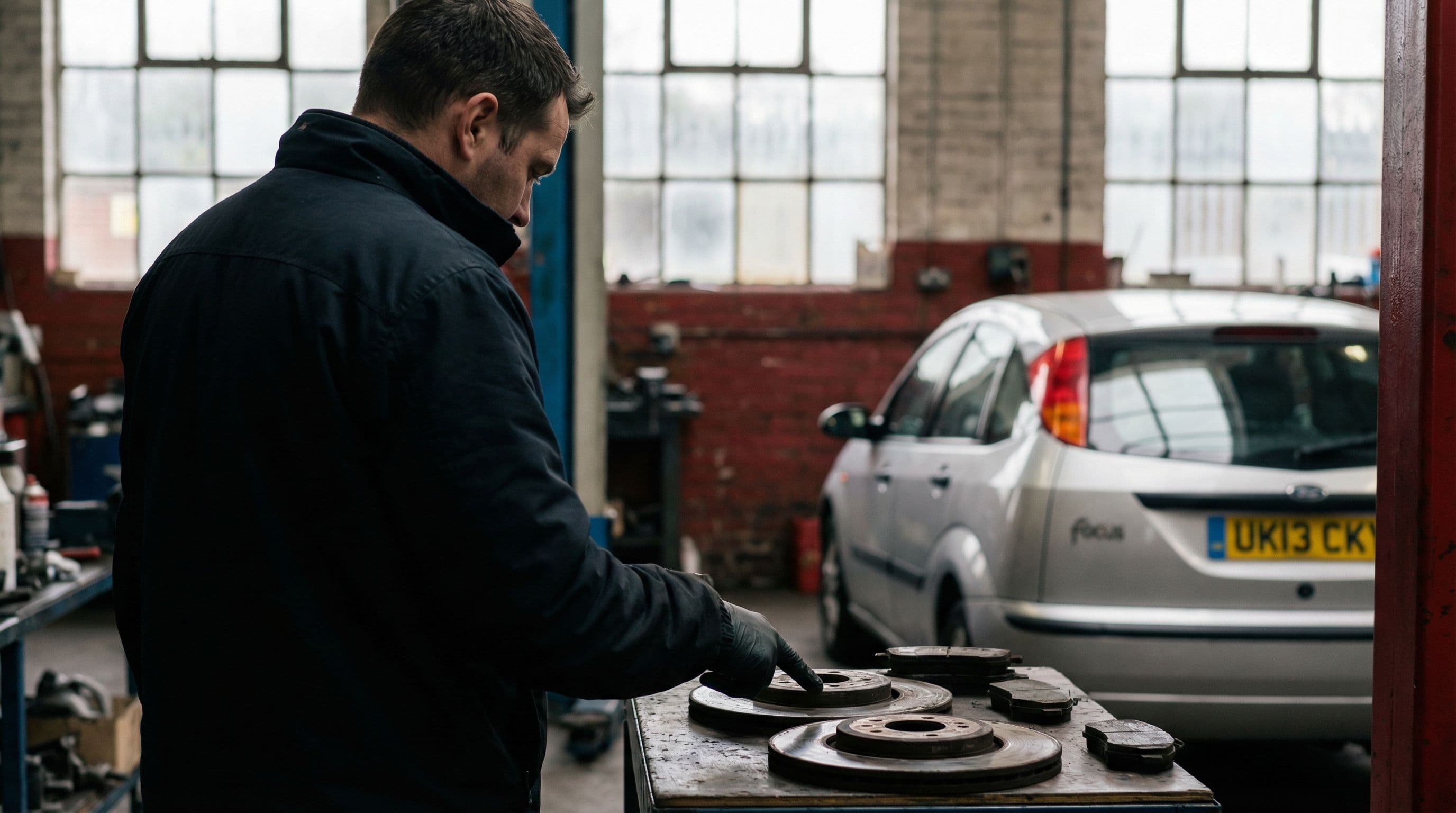

"That's just wear and tear" – it's the most common excuse dealers use to avoid responsibility for faulty cars. But here's what they don't want you to know: wear and tear is rarely a valid defence.
What Does "Wear and Tear" Actually Mean?
Legally, wear and tear refers to the gradual deterioration of something through normal, everyday use – slight fading of paint from sun exposure, minor scuffs on interior trim, gradual tyre wear from normal driving, small stone chips on the windscreen. These are expected and don't make a car "faulty" in the legal sense.
What wear and tear absolutely does not cover is major mechanical failures like engines, gearboxes, or clutches; safety-critical faults with brakes, steering, or suspension; faults that make the car unroadworthy; issues that shouldn't occur within the timeframe since purchase; or pre-existing problems that the dealer should have spotted before selling the car.
The Legal Standard: Satisfactory Quality
Under Section 9 of the Consumer Rights Act 2015, goods must be of satisfactory quality. This takes into account the price paid, the description given, the age of the goods, and all other relevant circumstances. The key point: even an older, cheaper car should be durable enough to last a reasonable time without significant faults.

See if you can reject your car. Free, in 2 minutes.
- Enter your reg
- Get your verdict
- Reject your faulty car
Free · No card · About 2 minutes
Not sure which window you are in? Put in your reg and find out, free.
Why "Wear and Tear" Usually Fails as a Defence
Cars should be durable. The Consumer Rights Act explicitly includes durability as part of satisfactory quality. A car should remain of satisfactory quality for a reasonable period, not develop significant faults shortly after purchase, and be fit for purpose for normal use. If something fails within weeks or months of buying it, that's not normal durability – regardless of the car's age.
The 6-month presumption works in your favour. For the first 6 months, the law presumes any fault was present at purchase. The dealer has to prove the fault developed after sale through your use – simply asserting "wear and tear" isn't proof. They need technical evidence, not just words.
Pre-existing wear should have been priced in. If components were already worn when you bought the car, either the price should have reflected that, the dealer should have disclosed it, or they should have replaced the worn parts before sale. You can't sell a car at full market value then blame wear and tear when those worn parts fail weeks later.
Professional dealers should inspect their stock. Dealers are expected to check their cars before sale and identify worn components. If something slips through that PDI (pre-delivery inspection), that's their failure, not your problem.
Common "Wear and Tear" Claims and How to Counter Them
Clutch Failure
Dealer says: "Clutches wear out. That's normal."
Your response: "A clutch should last 60,000-100,000 miles with normal driving. This car has done [X] miles and the clutch has failed after I've added just [Y] miles. The wear was clearly present when I bought it. If it was that worn, you should have either replaced it or disclosed it."
Brake Problems
Dealer says: "Brakes are a consumable item."
Your response: "Brake pads and discs should be at a safe level when sold. If they were so worn they've failed within [weeks/months], they weren't of satisfactory quality at sale. A pre-sale inspection should have caught this."
Suspension Issues
Dealer says: "Suspension wears with age and mileage."
Your response: "This fault has appeared within [X] weeks/months. Suspension components don't deteriorate this quickly under normal use. The wear existed at purchase, which means the car wasn't of satisfactory quality."
Engine or Gearbox Failure
Dealer says: "It's a high-mileage car, these things happen."
Your response: "Even high-mileage cars should be mechanically sound when sold. Engines and gearboxes don't fail overnight without pre-existing issues. The symptoms of this failure were developing before purchase. As a professional dealer, you should have identified this."
Timing Belt/Chain Failure
Dealer says: "The timing belt was due for replacement."
Your response: "If the timing belt was due, you should have either replaced it before sale or clearly disclosed it was needed. Selling a car with an overdue service item that then fails is not satisfactory quality."
Building Your Counter-Argument
Check the mileage gap. Compare the mileage at purchase to the current mileage, then look at the expected lifespan of the failed component. If you've added 2,000 miles and the clutch has failed, that's not your wear – clutches last 60,000-100,000+ miles. Brake pads typically last 25,000-70,000 miles, timing belts follow manufacturer schedules of 60,000-100,000 miles, and shock absorbers last 50,000-100,000 miles. If the component has failed well within its expected lifespan, the failure wasn't "wear and tear."
Get an expert opinion. An independent inspection can establish the actual cause of failure, how long the problem was developing, whether it's normal wear or a defect, and whether it should have been spotted in a pre-sale inspection. This kind of report is powerful evidence because it comes from an independent professional, not you or the dealer.
Reference the law. In your rejection letter, cite Section 9 of the Consumer Rights Act (satisfactory quality, including durability), Section 19(14) for the 6-month presumption if applicable, and emphasise that the dealer must prove their defence – not simply assert it.
What If You're Past 6 Months?
After 6 months, you'll need to prove the fault was present at purchase. But "wear and tear" is still a weak defence if the failure is premature for the component type, the mileage you've added doesn't explain the failure, an expert confirms the issue was developing before purchase, or the service history shows the problem existed earlier.
Sample Response to "Wear and Tear" Excuse
The Bottom Line
"Wear and tear" is not a magic phrase that absolves dealers of responsibility. Cars should be durable, faults appearing shortly after purchase weren't caused by you, and the dealer must prove their defence with evidence – not just assert it. Don't be intimidated by the excuse. Push back with facts, law, and independent evidence, and if the dealer won't cooperate, escalate through your finance company, Trading Standards, or small claims court.
Dealer trying to blame wear and tear? Check your car — it's free. We'll help you build your case.