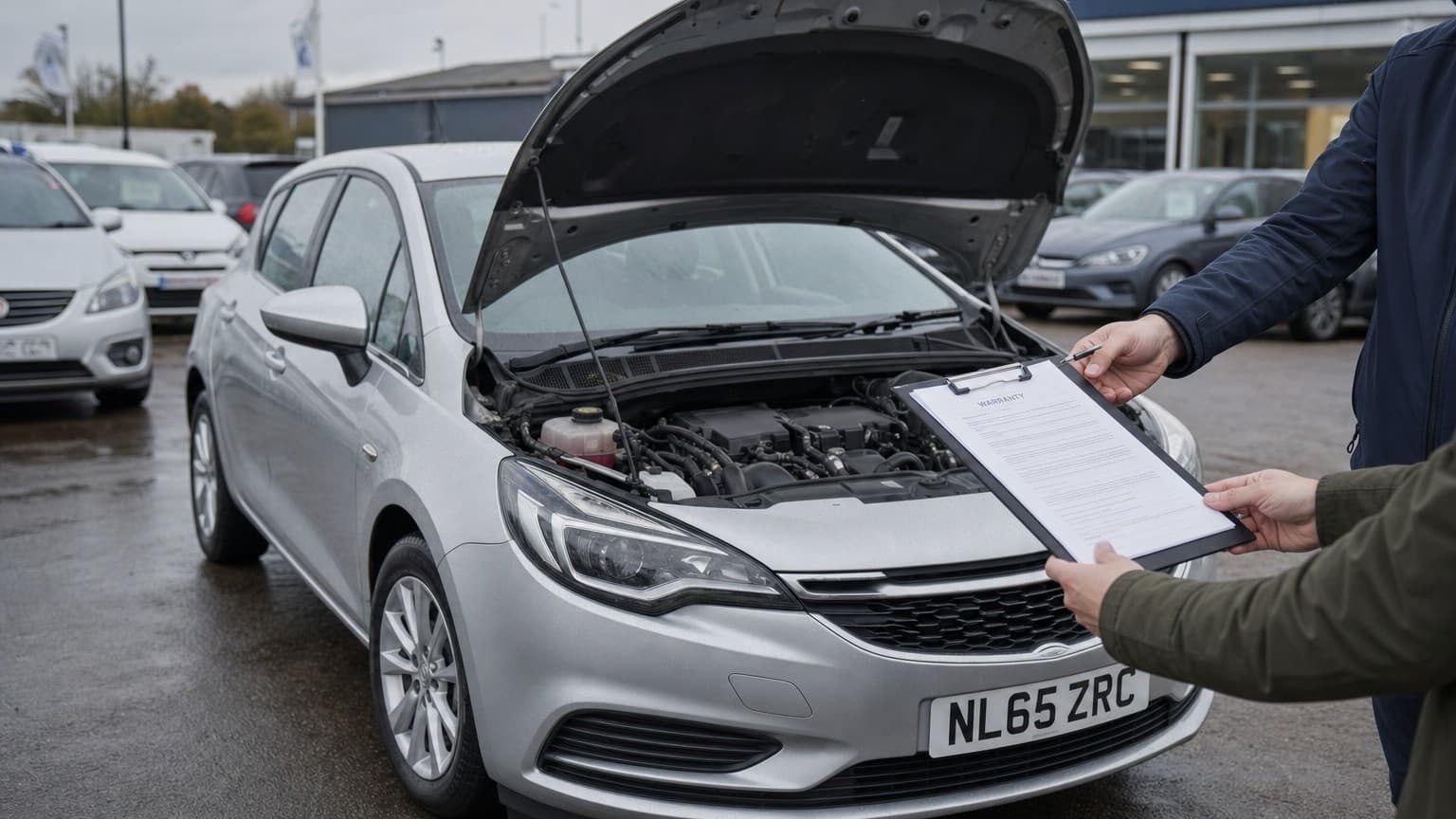

Key takeaways
- For 6 months the law presumes the fault was there at sale
- The dealer has to prove it was not
- After 6 months the burden shifts to you
- An independent inspection report is your key evidence
- Worn parts and progressive faults do not develop overnight
"How do I prove the fault was there when I bought it?" This is the most common question we hear – and it's crucial, because your consumer rights depend on it. Proving the fault is one part of the wider process — see our complete guide on how to reject a faulty car.
The good news? The law is on your side, especially in the first 6 months.
Understanding the burden of proof
The Consumer Rights Act 2015 includes a game-changing rule about who has to prove what.
First 6 months: presumption in your favour
During the first 6 months after purchase, the law presumes the fault was there when you bought the car. This is Section 19(14) of the Consumer Rights Act 2015.
The dealer has to prove the fault WASN'T there – you don't have to prove it WAS.
In practice, this means you discover a fault, you tell the dealer, and it's automatically assumed the fault existed at purchase. The dealer must prove otherwise – which is very difficult to do.
After 6 months: you need evidence
Once you're past the 6-month mark, the burden shifts to you. You'll need to demonstrate that the fault was present or developing at the time of purchase.
This doesn't mean you have no claim – it just means you need evidence.
Types of evidence that support your claim
1. The nature of the fault itself
Some faults simply don't develop quickly. Engine failure after 3 months doesn't happen without pre-existing problems. Gearbox issues develop through deterioration over time, not suddenly. Structural rust takes years to become serious. Electrical gremlins usually indicate underlying wiring issues that have been developing for a long time. A judge or ombudsman will apply common sense: did this fault develop from nothing in a few weeks, or was it lurking when you bought the car? It's also worth checking whether a manufacturer recall or technical service bulletin covers your car's model – a known defect is particularly strong evidence the fault was inherent.
2. Mileage evidence
Compare the mileage at purchase with the current mileage against the type of fault. If you've done 2,000 miles and the clutch is burned out, that's not your driving – clutches last tens of thousands of miles. The fault was developing when you bought the car.
3. MOT history
Check the car's MOT history for free. Look for previous advisories that have now become failures, patterns of recurring issues, and recent passes despite obvious current problems – which suggests the fault was present but missed during testing.
4. Service history
If you have the service history, check for previous repairs to the same component, notes about wear or concerns, and gaps in servicing that might explain deterioration.
5. Independent inspection report
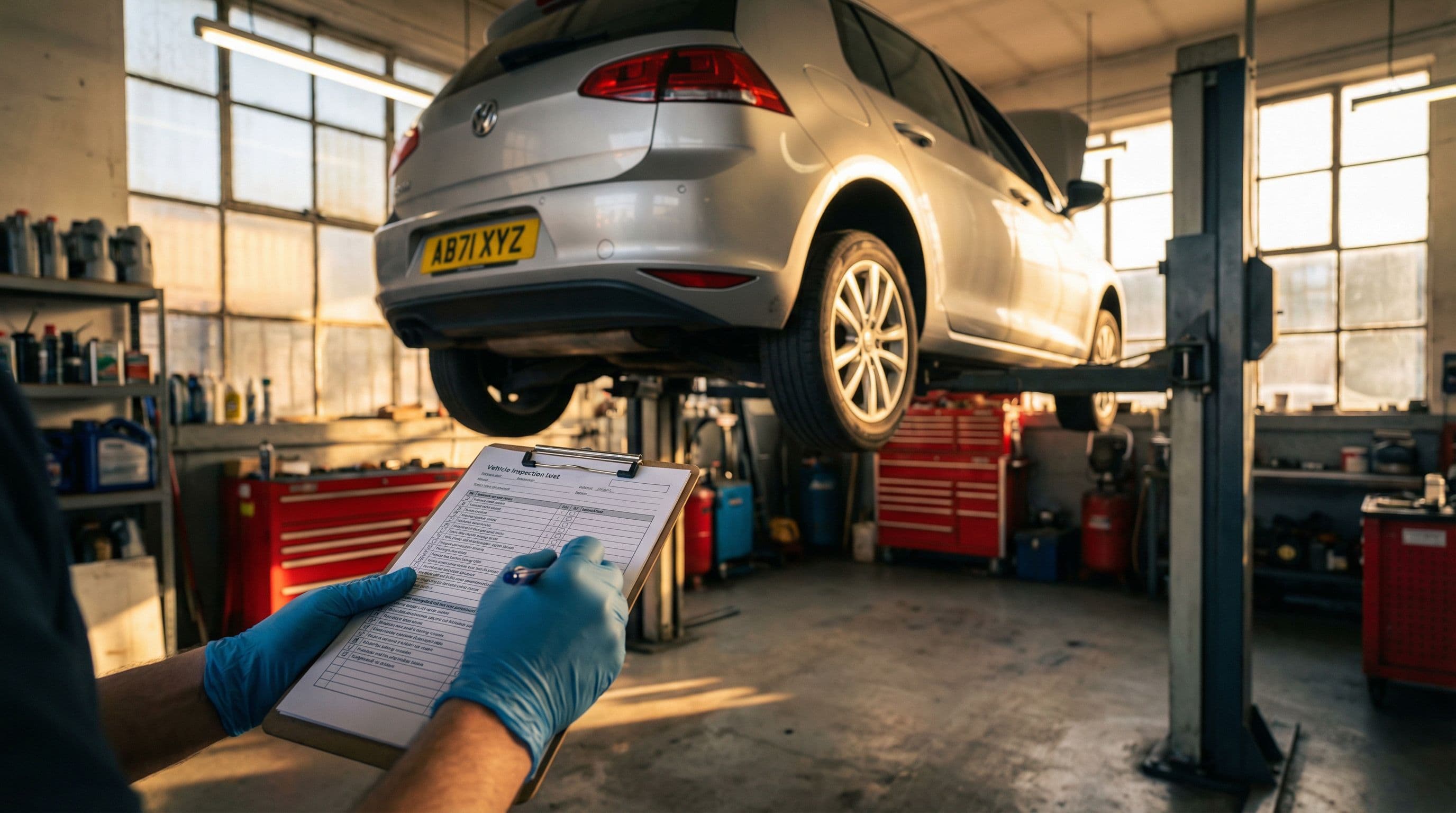
This is often the strongest evidence you can get. A qualified mechanic or engineer can diagnose the exact fault, give an opinion on how long it's been developing, estimate when the problem started, and provide a written report you can use as evidence. The cost (typically £100-£250) is often worth it for a valuable claim. See our full guide on getting an independent inspection.
6. Diagnostic codes
Modern cars store fault codes in their computer systems. These codes often include when the fault was first logged, how many times it's occurred, and related system data. A diagnostic scan can sometimes prove definitively when a fault started – this is particularly useful for engine and software-related issues.
7. Photographs and videos
Document the fault visually – take photos of the problem, video any unusual sounds or behaviours, capture dashboard warning lights, and photograph any wear patterns that show the issue has been developing over time.
8. Expert opinions
Mechanics, dealers, or specialists who examine the car can provide written assessments, verbal opinions (which you should follow up in writing), and testimony if it goes to court. Even informal opinions from other garages add weight to your claim.

See if you can reject your car. Free, in 2 minutes.
- Enter your reg
- Get your verdict
- Reject your faulty car
Free · No card · About 2 minutes
Not sure which window you are in? Put in your reg and find out, free.
Building your evidence file
Create a folder (physical or digital) containing everything relevant to your claim. See our full guide on keeping records for detailed advice.
Essentials include your purchase receipt or invoice, the finance agreement if applicable, the advert or listing you bought from, any warranties or guarantees given, and all correspondence with the dealer.
Fault evidence should include photos and videos of the fault, an MOT history printout, any diagnostic reports, repair estimates or invoices, and your independent inspection report if you've obtained one.
A timeline is extremely useful – create a simple chronology covering the date of purchase, when you first noticed the fault, when you reported it to the dealer, the dealer's responses, and the current status.
What evidence do you not need?
Many people think they need more proof than they actually do. Within 6 months, you don't need an engineer's report because the law presumes in your favour. You don't need to prove exactly when the fault started – just that it existed. You don't need the dealer to admit fault – their denial doesn't change the law. And you don't need perfect documentation – reasonable evidence is enough.
What a dealer might argue, and how to answer
"You caused the fault"
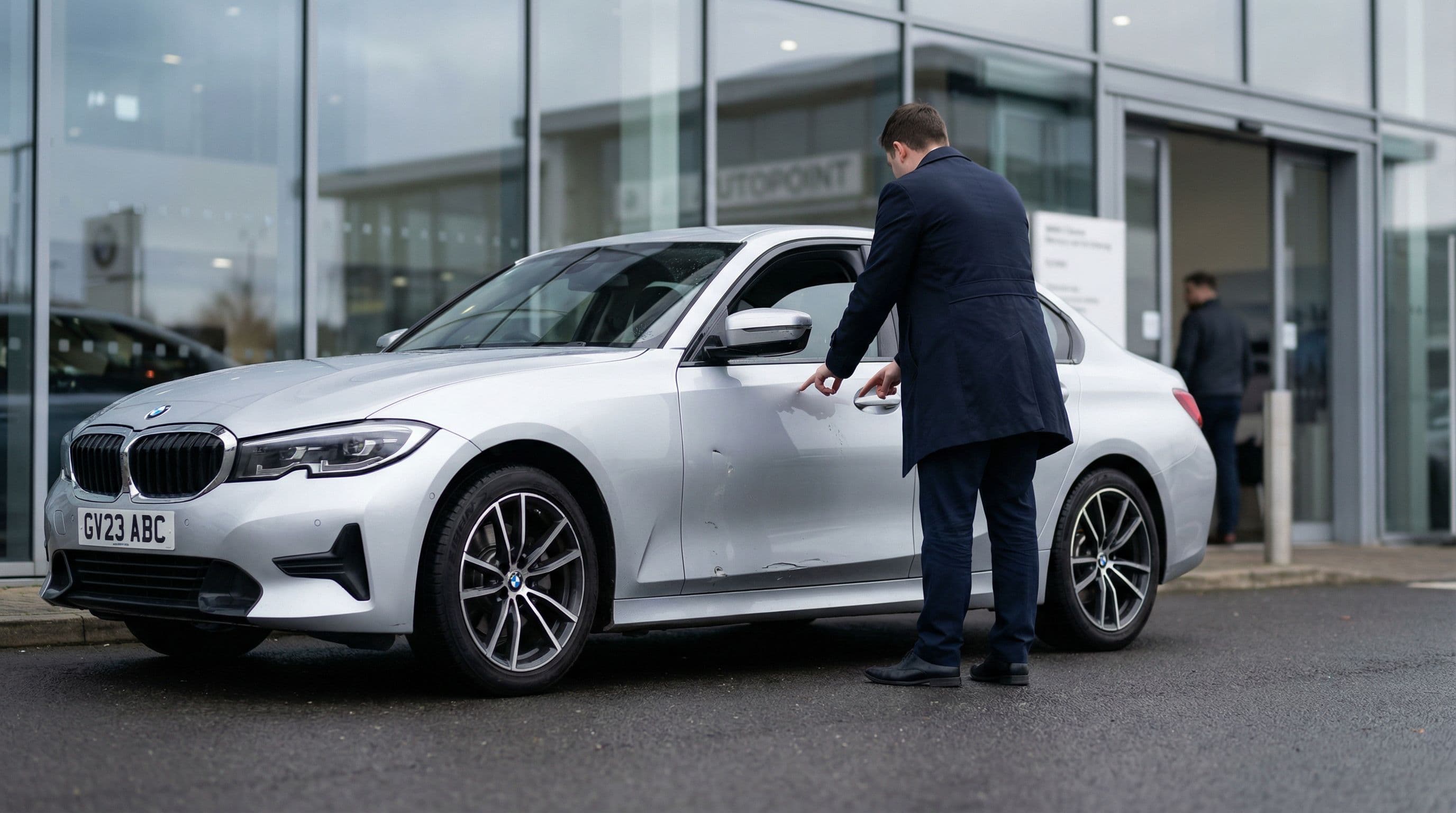
Ask them to prove it. Within 6 months, they have the burden of proof. They'd need to show specific evidence of misuse or damage you caused.
"It's wear and tear"
Wear and tear isn't an excuse for a recently purchased car. The car should have been durable enough to last a reasonable time without significant faults.
"It passed its MOT/inspection"
MOT tests are limited in scope. They don't check everything. A fault can exist without being detected at MOT.
"It's a used car – what do you expect?"
Used cars still have to be of satisfactory quality. The standard adjusts for age and price, but a working car is the baseline expectation. Major faults aren't acceptable regardless of age.
"No refunds – sold as seen"
This disclaimer doesn't remove your legal rights when buying from a dealer. The Consumer Rights Act protections cannot be excluded.
When to get an independent inspection
Consider paying for an independent inspection when you're past the 6-month window, the fault is complex or disputed, the dealer is being difficult, the claim value is significant (£1,000+), or you might end up in court or with the ombudsman.
Choose an inspector who is independent (not connected to either party), has relevant qualifications, will provide a written report, and can appear as a witness if needed.

Presenting your evidence
When writing to the dealer or escalating your complaint, be factual – state what happened, when, and what evidence you have. Reference the law by citing Section 19(14) for the 6-month presumption. Attach copies of key documents, number your evidence and reference it clearly, and always keep the originals safely filed.
The bottom line
In the first 6 months, the law presumes the fault was there when you bought the car – the dealer must prove otherwise, and that's extremely hard for them to do. After 6 months, you need evidence, but it doesn't have to be perfect. Some faults obviously existed before you bought the car because they take months or years to develop, and common sense applies in court just as it does anywhere else. An independent inspection is powerful evidence and worth the cost for significant claims. Document everything – photos, dates, conversations – and don't be intimidated by dealers who try to shift blame without providing any evidence of their own. If you bought on PCP or HP, the finance company legally supplied the car and is directly responsible for its quality, so write to them at the same time.
Need help proving your faulty car claim? Check your car — it's free. We help you build your case and write the letters.
Related topics