
Key takeaways
- An inspector’s written opinion is the evidence that settles most disputes
- After 6 months you must prove the fault was there at sale, and the report does it
- Brief them on symptoms and dates, never on the answer you want
- £80 to £600 depending on who; worth it from about £2,000 in dispute
When you're locked in a dispute with a dealer about whether your car is faulty, an independent inspection can be the evidence that tips the balance. Here's everything you need to know.
Why independent inspections matter
They provide expert evidence
A mechanic's written opinion carries weight that your word alone doesn't. Courts, finance companies, and even stubborn dealers respond to professional assessments.
They're genuinely independent
Unlike the dealer's "expert" or their mate down the road, an independent inspector has no stake in the outcome.
They document the fault
Good inspection reports include photos, measurements, and technical details that make the fault undeniable.
They establish timing
Crucially, an inspector can often determine whether a fault existed at the time of sale – which is exactly what you need to prove.
When do you need one?
Definitely get one if
The Dealer Disputes the Fault If they're claiming there's nothing wrong, or that it's "wear and tear", independent evidence is essential. Learn more about what actually counts as a fault.
You're Past 6 Months After 6 months, YOU must prove the fault existed at sale. An inspection report is usually the only way.
You're Going to Court Courts expect expert evidence. Don't show up with just your opinion.
The Fault Is Technical Some issues need professional diagnosis. "It makes a funny noise" isn't as compelling as "the differential bearings are worn, indicating long-term degradation consistent with pre-sale condition."
High Value Dispute If you're fighting over thousands of pounds, a few hundred on an inspection is worthwhile.
May not need one if
Within 30 Days + Clear Fault Engine warning light on day 7? Dashboard evidence may be enough to reject without further proof.
Dealer Admits the Fault If they're not disputing the problem exists, you may not need independent confirmation.
Very Low Value For a £500 car, a £200 inspection might not make financial sense.
Types of inspection
Who
Best for
Typical cost
Independent garage
A clear mechanical fault, a dispute under a few thousand pounds
£80 to £150
AA or RAC inspection
A report a lender or a court accepts without argument
£150 to £200
Marque specialist
A known-fault engine or gearbox, a technical argument about cause
£200 to £400
Expert witness report
Court, a significant sum, an inspector who will attend
£300 to £600 or more
Prices are what buyers have told us and what the services publish; get a quote first.
A general mechanical inspection covers all major systems and is ideal when something's wrong but you're not sure what. These typically cost £150-250 and take one to two hours.
A specific fault assessment focuses on the particular problem, providing an expert opinion on cause and timing. It's the best choice for disputes about specific issues and may be cheaper than a full inspection given its narrower scope.
A forensic or expert witness inspection is designed for court proceedings. The report is detailed enough for legal use, and the inspector may testify if needed. These are more expensive at £300-500 or more.
A manufacturer diagnostic uses dealer-level equipment to access fault codes and computer records. It's particularly useful for electronic and software issues, though main dealer rates apply.
Not sure which window you are in? Put in your reg and find out, free.
Who to use
AA and RAC inspections offer trusted brand names, standardised reports, and nationwide coverage. Courts and finance companies generally accept their findings without question. The downside is that they can be generic – inspectors vary in expertise and may not go deep on specific technical issues.
Independent garages are often cheaper and may have particular marque expertise, offering more flexible and personal service. However, quality varies widely, report formats may be less formal, and the less recognised name can carry slightly less weight in disputes.
Marque specialists bring deep knowledge of specific cars, know the common faults inside out, and can provide detailed technical assessments. They're not available for all brands, may be more expensive, and are geographically limited – but for complex faults on a specific make, they're often the best choice.
Expert witness services produce reports specifically designed for legal use. The inspector will attend court if needed and has experience with disputes. This is the most expensive option and may be overkill for small claims, but if your case is heading to court over a significant sum, it's worth the investment.
What a good inspection report includes
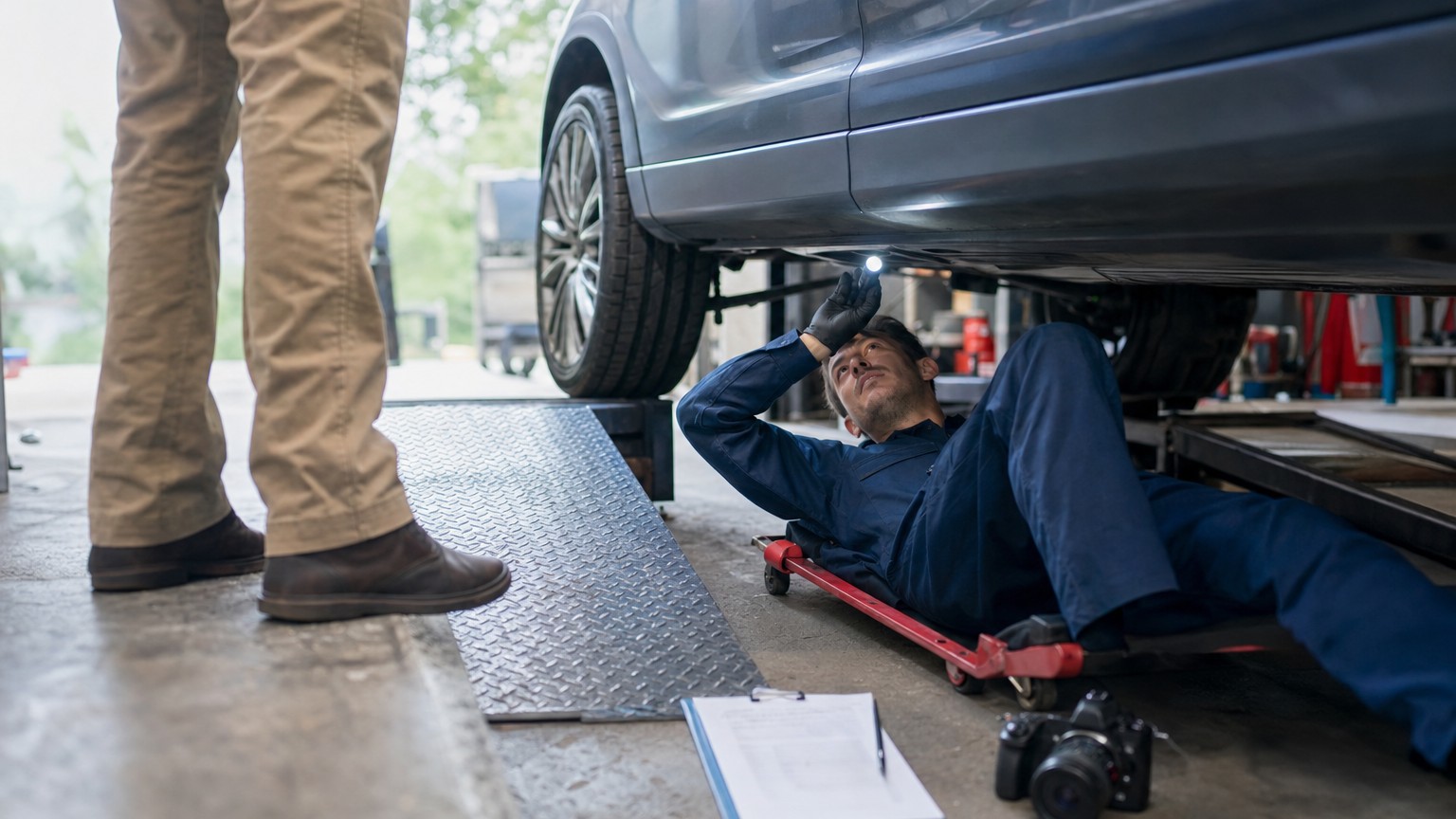
Essential elements include the inspector's qualifications, date of inspection, vehicle details (registration, VIN, and mileage), a clear description of the fault, the technical diagnosis, an opinion on when the fault likely occurred, photographs of the issues, and the inspector's signature. Without these basics, the report may not carry enough weight in a dispute.
Ideally, the report should also include a comparison to expected condition for the car's age and mileage, reference to manufacturer specifications, an opinion on whether the fault makes the car unsatisfactory under the Consumer Rights Act, an estimate of repair cost, and a clear conclusion. The more thorough the report, the harder it is for the dealer to dismiss.
How to brief the inspector
Tell them what the symptoms are, when you first noticed the problem, when you bought the car, any relevant history, and that you may use the report in a dispute. This context helps them focus their examination and provide the most useful opinion.
Ask them to give an opinion on when the fault developed, comment on whether it could have existed at the point of sale, note whether the problem makes the car unsatisfactory for its age and mileage, include photographs, and sign and date the report.
Don't tell them what conclusion you want, pressure them to find specific things, or withhold relevant information. An inspector who feels pushed toward a particular finding may say so in their report – and that undermines your credibility entirely.
Using the report effectively
In your rejection letter
Quote the key findings:
"The independent inspection by [Name] dated [Date] confirms that [fault] exists and states that this condition is consistent with a pre-existing defect rather than post-sale wear."
With finance companies
Send the full report. They take professional evidence seriously and often settle once they see independent confirmation.
In court
Submit the report as evidence. The inspector may need to provide a statement or attend as a witness.
For negotiation
A damning inspection report often brings dealers to the table who previously wouldn't engage.

Or have the letter written from your answers.
- Enter your reg
- Get your verdict
- Reject your faulty car
Free · No card · About 2 minutes
What if the inspection doesn't support you?
It happens. The inspection might find that the fault developed after purchase, that the issue is normal for the car's age, or that the problem is actually something different from what you suspected.
If the report doesn't support you, consider your options honestly. You could accept the finding and move on, get a second opinion (though don't "shop" for the answer you want), consider whether a partial claim is possible, or simply re-evaluate your position. An unhelpful inspection shouldn't be hidden – if you go to court and it emerges that you suppressed adverse evidence, your credibility will suffer badly.
Cost vs benefit analysis
Typical costs range from £80-150 at an independent garage, £150-200 for an AA or RAC inspection, £200-400 for a specialist assessment, and £300-600 or more for an expert witness report.
An inspection is clearly worth it when the dispute value exceeds £2,000, the dealer is refusing to engage, you're heading to court, or the fault is technically complex. It's more marginal when the dispute is under £1,000, the fault is clear-cut with other evidence already available, or you're within 30 days with an obvious defect that the dealer isn't disputing.
Tips for getting the best result
Choose the right inspector by matching their expertise to the car and the problem, checking reviews and qualifications, and asking about their experience with similar issues. Schedule smartly – don't delay, get the inspection done before any repair attempts, and ideally when the fault is present and reproducible. Be present if possible so you can point out issues, ask questions, and ensure nothing is missed. And get everything in writing – verbal opinions are worthless for disputes, so a full written report is essential. Keep the original safely alongside your other records.
The bottom line
An independent inspection is often the single most important piece of evidence in a car dispute. It transforms "he said, she said" into expert-backed fact.
Yes, it costs money. But when you're fighting for a refund worth thousands, it's one of the best investments you can make.
Choose your inspector carefully, brief them properly, and use the report strategically. It could be the difference between winning and losing your claim.
Need an inspection to support your rejection claim? Check your car – we can advise on what evidence you need.
Frequently asked questions
Roughly £80 to £150 at an independent garage, £150 to £200 for an AA or RAC inspection, £200 to £400 for a marque specialist, and £300 to £600 or more for an expert witness report written for court. Get a quote, and ask whether the price includes a written, signed report with photographs, because that is the part you are paying for.
Usually not. For six months after purchase the law presumes the fault was present at delivery and the dealer has to prove otherwise. An inspection helps if the dealer disputes that a fault exists at all, or if the fault is technical, but a clear fault with photos and a diagnostic readout is often enough. After six months the burden moves to you, and the report becomes the case.
Finance companies and the Financial Ombudsman treat them as standard evidence, and dealers rarely argue with the name. The limitation is depth: the inspector may not be a specialist in your engine or gearbox. For a known-fault engine, a marque specialist’s report carries more technical weight; for a general dispute, the AA or RAC report is the safe choice.
Often, as a consequential loss. If the car is rejected or the dealer is found liable, the reasonable cost of proving the fault is part of what you lost because of it. Put the figure in your letter with the invoice, and claim it in any court or Ombudsman case. It is not guaranteed, so treat it as a cost you expect to recover rather than one you will.
Consider it honestly. The fault may have developed after purchase, or be normal for the car’s age. You can get a second opinion if you have a real reason to doubt the first, but do not shop for the answer you want, and never hide an unhelpful report: if it emerges in court or at the Ombudsman that you suppressed it, your credibility is gone.
Related topics