
Key takeaways
- Proof of purchase, the advert, a dated fault log and every message with the dealer
- Within 6 months the law presumes the fault was there; you need less
- After 6 months an independent inspection becomes the case
- One folder, four sections, a timeline on the front
FaultyCar.co.uk may earn a commission if you buy through links on this page. Vehicle history reports are provided and sold by carVertical. This doesn’t affect the price you pay.
When rejecting a faulty car, evidence is everything. The stronger your documentation, the more likely you'll succeed – whether through direct negotiation, ombudsman complaints, or court action.
The evidence you need
Proof of purchase is the foundation – your sales invoice or receipt, finance agreement if applicable, part-exchange documentation, and payment records. These prove when you bought the car, how much you paid, and who sold it to you. Without them, the dealer could dispute basic facts about the transaction.
The original listing is critical if the car wasn't as described. Keep screenshots of the advert, printed specifications, any promotional materials, and email confirmations of what was promised. If they advertised "full service history" or "excellent condition," you need evidence of those specific claims.
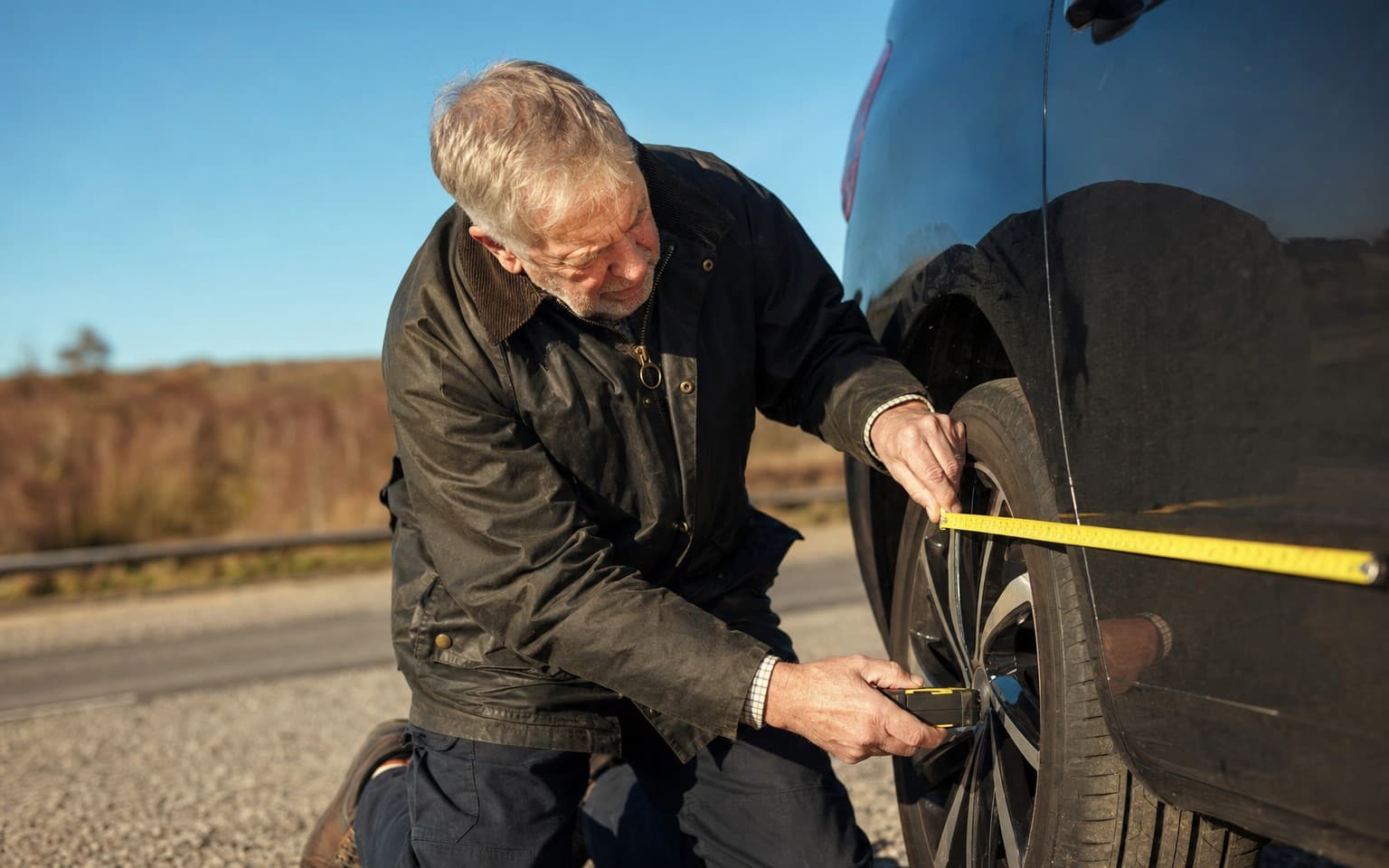
Fault documentation shows exactly what's wrong and when it happens. Take clear photographs of the problem, record videos of intermittent issues and unusual noises, keep a diary or log noting dates, times, mileage, and circumstances of each occurrence, and photograph any dashboard warning lights when they're illuminated. The more detailed and consistent your records, the harder they are to dismiss.
Diagnostic reports provide expert confirmation. Get fault code readouts, a written diagnosis from an independent mechanic, and cost estimates for repair. This professional evidence carries far more weight than your description alone. An independent inspection report goes further – it should confirm the fault, identify its likely cause, assess whether the fault existed at purchase, and estimate the cost to repair. Independent expert opinion is often the decisive factor in disputes.
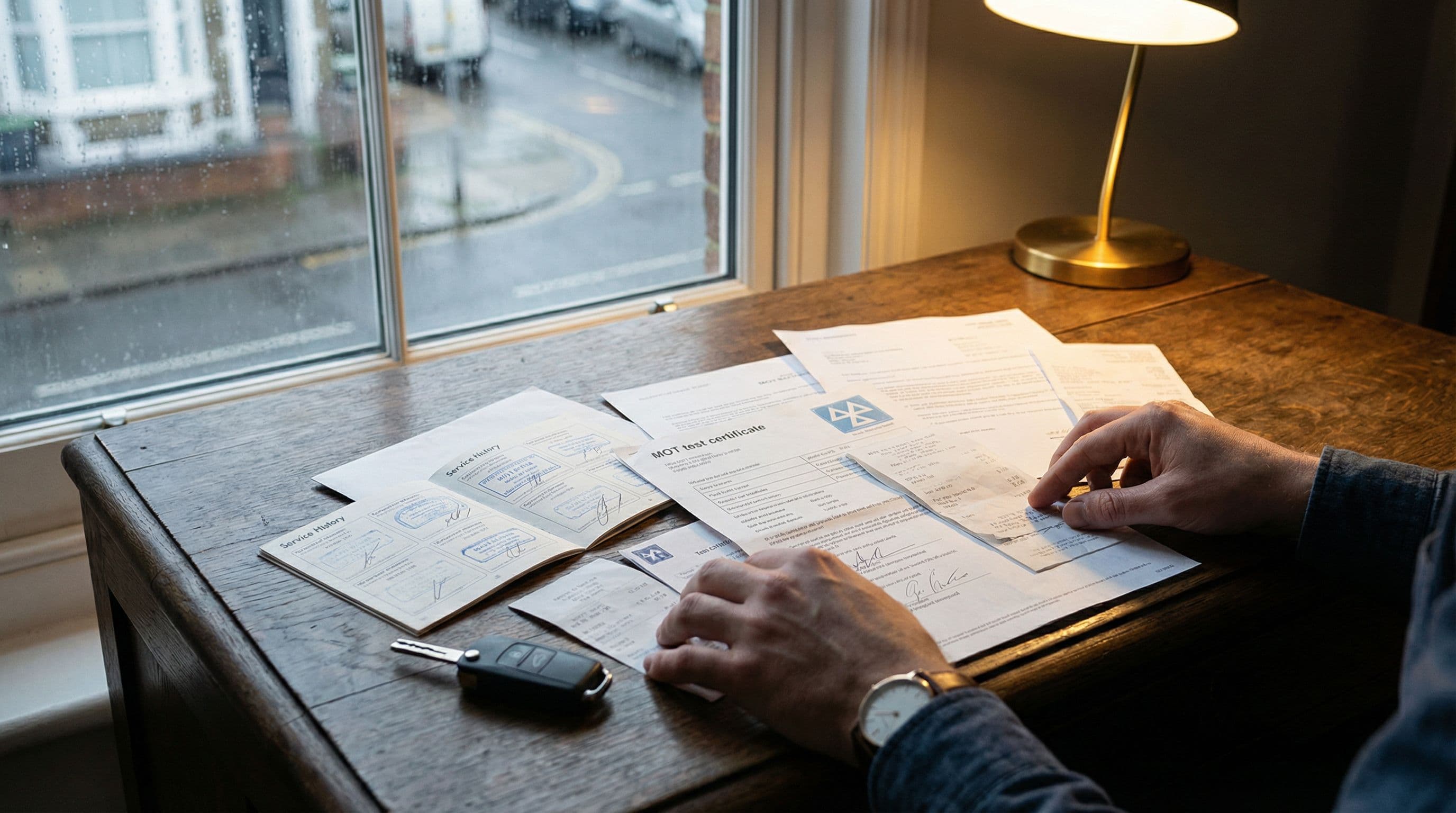
Vehicle history can prove the fault existed before you bought the car. Check the MOT history (free from gov.uk) for previous advisories or failures, gather service records and previous repair invoices, and run an HPI/history check to look for write-offs, outstanding finance, or mileage discrepancies.
Communication records show what was promised, what you reported, and how the dealer responded. Keep every email, text message, and WhatsApp conversation. For phone calls, make notes immediately afterwards recording the date, time, who you spoke to, and what was said. Always follow up phone calls with a written summary by email – "Following our conversation today, I understand that you agreed to..."
The 6-month rule and evidence
If your fault appeared within 6 months of purchase, the law presumes it was present when you bought the car. The burden of proof is on the dealer to show it wasn't – you don't need to prove the fault existed, simple documentation is usually sufficient, and the dealer must provide technical evidence that the fault developed after sale through your use.
After 6 months, the burden shifts to you. You need to prove the fault was present or developing at purchase, which is where strong evidence becomes essential: an independent inspection confirming the issue was pre-existing, an expert opinion on how long the fault was developing, MOT history showing earlier warnings, and evidence that the type of fault is one that develops gradually rather than appearing overnight.
Not sure which window you are in? Put in your reg and find out, free.
What evidence do you not need?
Many people think they need more than they actually do. You don't need the dealer's admission – their denial doesn't change the law. You don't need perfect documentation – reasonable evidence is enough. You don't need to prove exactly when the fault started – just that it existed at the point of sale. And within 6 months, you don't need an engineer's report – the legal presumption is already in your favour.
The amount of evidence needed is proportionate to your claim. For a smaller claim (£1-2,000), basic documentation is usually sufficient. For larger claims (£5,000+), more detailed evidence strengthens your case. And if your case reaches court or an ombudsman, formal reports carry significantly more weight than informal records alone.
Creating your evidence file
1. The purchase
Invoice or receipt, finance agreement, part-exchange paperwork, the advert as screenshots, every message before you bought.
2. The fault
Photos and videos with dates, your fault diary with mileage, diagnostic readouts, the inspection report.
3. The dealer
Every email and text, copies of your letters, your notes of each phone call written straight after.
4. The background
MOT history from gov.uk, service records, a history check, anything you found about the fault on that model.
Start a folder – physical or digital – organised into clear sections. Section one should contain purchase documents: your invoice, finance agreement, advert screenshots, and any correspondence before purchase. Section two is for fault evidence: photos, videos, your fault diary, diagnostic reports, and inspection reports. Section three covers communications: all emails with the dealer, copies of letters, notes of phone calls, and text messages. Section four holds supporting documents: MOT history, service records, and any research on the fault type.
Create a timeline – a clear chronology that anyone reviewing your case can follow at a glance. Start with the purchase date, price, and mileage, then list when you first noticed symptoms, when you contacted the dealer and what they said, when the car was inspected and what was found, when you sent your rejection letter, and the dealer's response. This narrative thread ties all your evidence together.
Organise for presentation if your case reaches court or an ombudsman. Number your documents, create an index, highlight key passages, and always make copies – never send originals.

Photographs and videos
For photographs, take clear, well-lit images that include context – show which part of the car you're photographing, take multiple angles, include close-ups of specific damage, capture dashboard warnings, and date-stamp if possible. Avoid blurry or dark images, don't only photograph one angle, and never delete originals after sending them to the dealer.
Videos are particularly valuable for unusual noises, intermittent problems, warning lights that come and go, and demonstrations of the fault in action. Narrate what you're showing, note the date and mileage at the start, keep the footage focused and relevant, and back everything up to cloud storage so you don't lose it.
Witness statements
If others witnessed the fault or the dealer's promises, ask them to write a statement in their own words, including their name, address, and signature, and date it. Witness statements are particularly useful if the dealer made verbal promises that weren't put in writing, if someone else was present when the fault occurred, or if a mechanic gave verbal advice that supports your case.
What if evidence is lost?
If the advert has been taken down, check the Internet Archive (Wayback Machine), look through your email for Auto Trader or eBay confirmation emails, request a copy from the dealer (they should have records), and check your browser history. If you didn't keep receipts, check bank statements for payment proof, request copies from the dealer, and contact your finance company who will have their own records. If there's no written record of verbal promises, make a detailed note now of what was said while it's fresh in your memory, check whether any texts or emails reference the conversation, and ask any witnesses to provide statements.

Or have the letter written from your answers.
- Enter your reg
- Get your verdict
- Reject your faulty car
Free · No card · About 2 minutes
For court or the Ombudsman
If your case reaches formal dispute resolution through small claims court or the Financial Ombudsman, presentation matters. They want a clear summary of your complaint, numbered and indexed documents, a chronological timeline, specific legal grounds (citing which sections of the Consumer Rights Act apply), what remedy you're seeking, and evidence supporting each point.
Keep your submission neat and logically structured with a brief covering letter. Highlight the key promises the dealer made, the evidence that the fault exists, evidence it was present at purchase (or that the 6-month presumption applies), the dealer's response or lack thereof, and your attempts to resolve the matter before escalating. A well-organised evidence file makes it far easier for a judge or ombudsman to find in your favour.
The bottom line
Start documenting from the moment you purchase the car – you don't know what will matter later. Photographs and videos are powerful evidence, especially for intermittent faults that are hard to reproduce on demand. Within 6 months, the legal presumption works in your favour and you need less evidence; after 6 months, an independent inspection becomes essential. Organise your file clearly, because presentation genuinely affects outcomes. And above all, get everything in writing – written evidence always beats verbal claims in a dispute.
Building a case to reject your faulty car? Check your car – free, and we'll help you gather and present the right evidence.
Frequently asked questions
Less than you think. Proof of purchase and the delivery date, the advert, and a clear record of the fault: dated photos or a video, a diagnostic readout if a garage has looked at it, and your written rejection to the dealer. Inside 30 days the dealer has to prove the car was fine, not you. What matters most is that your rejection is in writing and dated inside the window.
Not usually. For six months the fault is presumed to have been present at delivery and the dealer must prove otherwise. A report helps when the dealer denies the fault exists or the problem is technical. After six months the burden shifts to you, and an independent inspection is the normal way to meet it.
For an intermittent fault, a video is the best evidence you can make: say the date and mileage at the start, show which car it is, and show the symptom clearly. Pair it with a diagnostic readout or a garage’s written note and it becomes hard to dispute. On its own it proves the fault exists; it does not prove when it started, which is what the inspection or the MOT history adds.
Try the Internet Archive for the listing page, search your email for the Auto Trader or eBay confirmation, check your browser history, and ask the dealer for a copy, which they should hold. Bank statements and the finance company’s records replace a lost receipt. For a verbal promise, write down what was said now, while it is fresh, and ask anyone who heard it for a short signed statement.
Within six months you do not have to; the law presumes it. After that, the evidence is an independent inspection giving an opinion on when the fault developed, the MOT history showing earlier advisories, service records, and the nature of the fault itself: worn components and progressive failures do not appear overnight, and an inspector can say so in writing.
Related topics