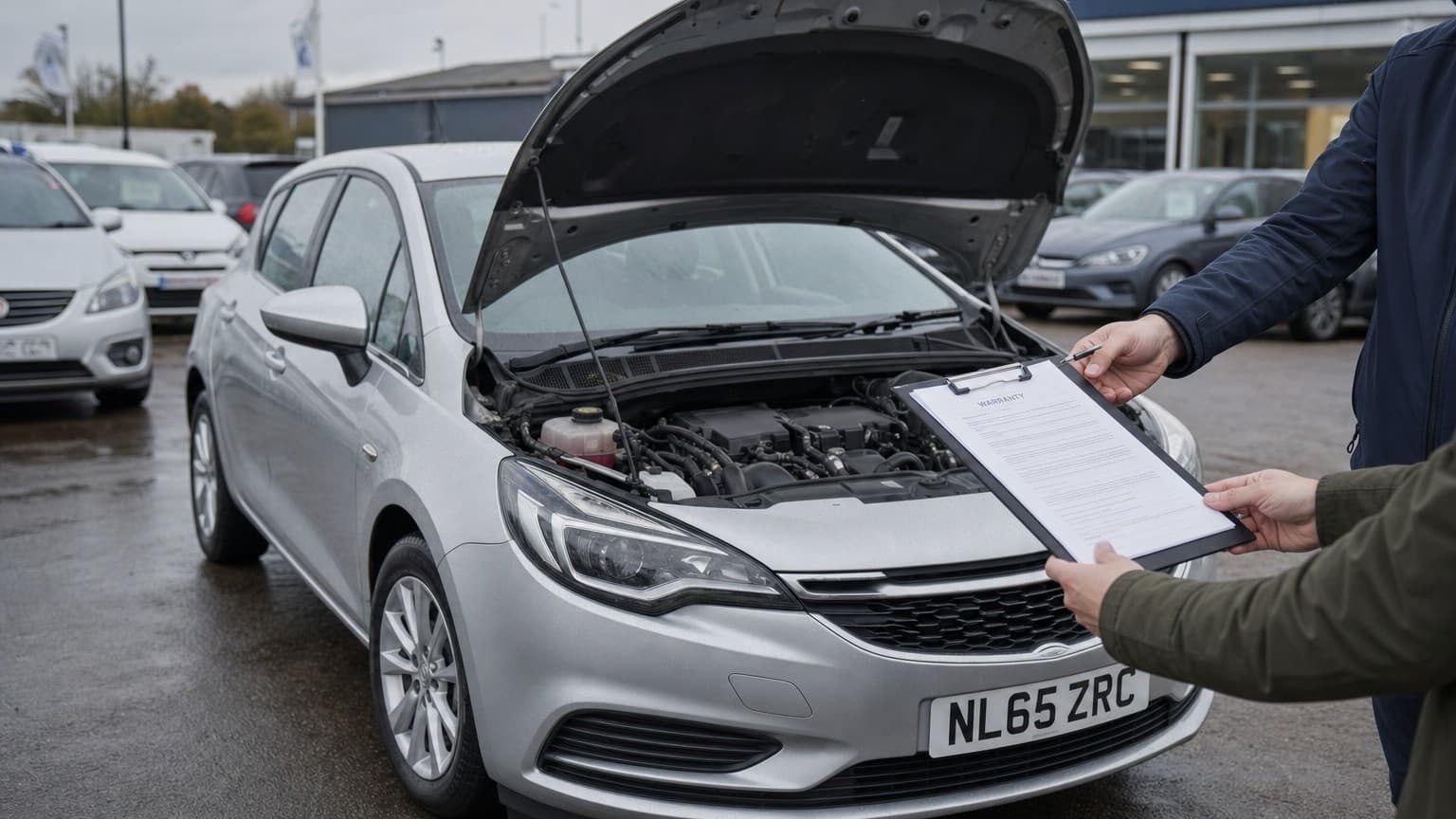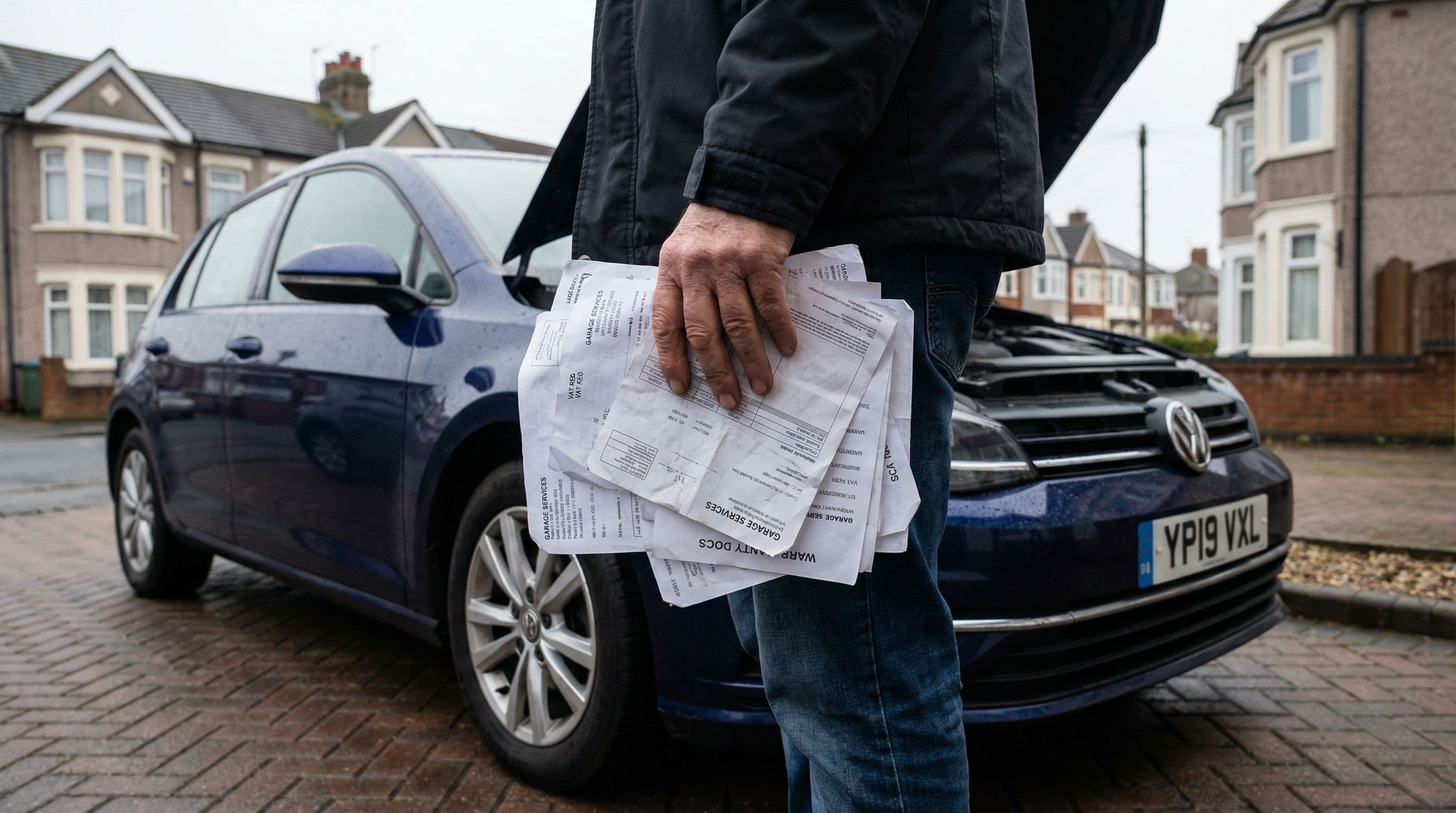

You bought a faulty car. Something broke. You panicked and paid a garage to fix it. Now you're wondering: "Did I just lose my right to reject?"
Not necessarily. Here's what you need to know.
The Good News
Paying for repairs doesn't automatically remove your consumer rights. You may still be able to claim back the repair costs, reject the car in some circumstances, and pursue the dealer for further faults.
Why People Pay for Repairs
It's completely understandable. When your car breaks down, you need transport, the dealer might be far away, you probably didn't know your rights, the dealer may have been unresponsive, and you just wanted a quick fix. None of these reasons means you've waived your rights.

See if you can reject your car. Free, in 2 minutes.
- Enter your reg
- Get your verdict
- Reject your faulty car
Free · No card · About 2 minutes
Not sure which window you are in? Put in your reg and find out, free.
Your Rights to Claim Repair Costs
The Legal Position
Under the Consumer Rights Act 2015, if goods aren't of satisfactory quality, you're entitled to remedies. This can include recovery of repair costs you've reasonably incurred.
When You Can Claim Costs Back
The dealer refused to help: If you contacted the dealer and they refused repair, or delayed unreasonably, you were entitled to get it fixed elsewhere.
It was an emergency: If the fault left you stranded or unsafe, you acted reasonably by getting an immediate repair.
The dealer was unreachable: Weekends, holidays, or simply not responding – you can't be expected to wait indefinitely.
The repair was urgent for safety: Brakes, steering, or other safety-critical issues needed immediate attention.
What You Can Claim
You can claim the cost of the repair itself, reasonable diagnostic charges, recovery costs if the car needed towing, and in some cases hire car costs while the repair was carried out.
How to Claim
Write to the dealer explaining the fault, why you had it repaired elsewhere, and attach the invoice. Demand reimbursement and reference the Consumer Rights Act 2015 as the legal basis for your claim.
Can You Still Reject?
This is more complicated. It depends on circumstances.
You May Still Reject If:
You're within 30 days and the repair didn't fully fix the problem, the repair revealed additional faults, the car has other faults you want to reject for, or the repair was for a safety-critical emergency.
You're within 6 months and the dealer refused to repair (so you did it yourself), the repair failed, or additional faults have emerged.
You Probably Can't Reject If:
The repair fully fixed the fault, you're outside the 30-day window with no other issues, or you accepted repair as your chosen remedy without reservation.
The Key Test
The question is whether a court would find that you "accepted" the repair as your remedy. If you asked the dealer to repair first and they refused, got an emergency repair but told the dealer you still wanted to reject, or the repair failed or was inadequate, then you likely haven't waived your rejection rights.
Scenario Examples
Scenario 1: Emergency Roadside Repair
What happened: Car broke down on motorway, you called RAC who did a temporary repair to get you home.
Your rights: Fully preserved. Emergency repairs to get you to safety don't waive anything. You can still reject or claim full repair costs.
Scenario 2: Dealer Said "Not Our Problem"
What happened: You reported the fault, dealer refused responsibility, you paid for repairs to stay mobile.
Your rights: Claim repair costs back. If within 30 days, you may still reject. The dealer's refusal doesn't remove your rights – it may actually strengthen your claim.
Scenario 3: Quick Fix While Waiting for Dealer
What happened: Dealer was "too busy" for two weeks, you needed the car, got a quick repair done.
Your rights: Unreasonable delay by the dealer means you were entitled to get it fixed. Claim the costs back.
Scenario 4: Full Repair Before Contacting Dealer
What happened: The car developed a fault, you took it straight to a garage and paid for full repairs without contacting the dealer.
Your rights: More limited. You can try to claim costs back, but the dealer may argue you should have given them the chance to repair first. Your rejection right within 30 days is probably lost for that fault.
Scenario 5: Repair Failed – Fault Returned
What happened: You paid for repairs, but the problem came back within weeks.
Your rights: The original fault wasn't properly fixed – it still existed when you bought the car. You can pursue the dealer for this ongoing fault.
What Affects Your Position
Strengthens Your Claim
Contacting the dealer first (and being refused or delayed), dealing with an emergency or safety issue, having written evidence of your contact attempts, a fault that was clearly pre-existing, and a repair that was reasonable in cost all work in your favour.
Weakens Your Claim
Making no attempt to contact the dealer first, having plenty of time to contact them but not doing so, dealing with a non-urgent fault, going to an expensive specialist unnecessarily, and having no documentation of the fault or repair all weaken your position.
Steps to Take Now
Step 1: Gather Your Evidence
Collect your repair invoices, diagnostic reports, any communication with the dealer (emails, texts, call logs), evidence of when the fault first appeared, and proof of your mileage since purchase. See our guide on keeping records for what else to compile.
Step 2: Document What Happened
Write a clear timeline covering when you bought the car, when the fault appeared, when and how you contacted the dealer, why you got it repaired elsewhere, and what the repair involved.
Step 3: Write to the Dealer
Even if time has passed, write formally. Explain the fault, state it was pre-existing, explain why you had to get repairs elsewhere, claim your costs back, and mention any other outstanding faults.
Step 4: Include These Points
"Under the Consumer Rights Act 2015, the car was not of satisfactory quality. The fault was present at the point of sale."
"I attempted to contact you about this fault on [date]. [You did not respond / You refused to help / You could not help urgently]."
"Given the circumstances, I was entitled to arrange repair elsewhere. I am claiming the cost of this repair: £[amount]."
"Please remit this amount within 14 days."
Step 5: Escalate If Needed
If the dealer refuses, escalate to your finance company if you bought on finance, or consider small claims court. A letter before action is the standard step before court proceedings.
The Finance Angle
If you bought on finance, your position is stronger.
The Finance Company Is Directly Responsible
On HP or PCP, the finance company legally supplied the car, so it's directly responsible for the car's quality under the Consumer Rights Act. You can claim repair costs from the finance company, pursue rejection through them, and they may be more responsive than the dealer. If you paid any part by credit card, Section 75 also gives you a claim against the card issuer.
What to Tell the Finance Company
Explain that the car had a fault at sale, that you had to repair it because of the dealer's refusal or unavailability, that the dealer wouldn't help, and that you want the cost reimbursed. Send them the same evidence you sent the dealer – and if they reject your complaint or don't resolve it within 8 weeks, you can escalate to the Financial Ombudsman.

Common Questions
"It's been months since I paid – is it too late?"
Not necessarily. You typically have 6 years to bring a claim for breach of contract. The key is whether the fault existed at sale and whether your actions were reasonable.
"I didn't keep the old parts – does that matter?"
It helps to have parts, but it's not essential. The repair invoice and diagnostic report are your main evidence.
"The repair was expensive – will they pay all of it?"
You can claim "reasonable" costs. If you went to a main dealer when an independent would have been much cheaper, they might dispute the amount. But generally, reasonable repair costs are recoverable.
"I've had multiple repairs – can I claim them all?"
Yes, if they all relate to faults that existed at sale. Multiple repairs actually strengthen your case that the car wasn't satisfactory.
"What if the dealer says I should have gone to them?"
Your response: "You were contacted/unavailable/refused to help. I acted reasonably in the circumstances to mitigate my losses."
The Bottom Line
Paying for repairs doesn't mean you've lost your rights. The Consumer Rights Act protects you even when you've had to take matters into your own hands.
You can still claim repair costs back, potentially reject depending on the circumstances, and pursue the dealer through finance companies or court. Don't assume you're stuck with the bill. If the fault existed when you bought the car, the dealer should pay – even if you've already had it fixed.
Already paid for repairs on a faulty car? Check your car – you may have more options than you think.
Related topics