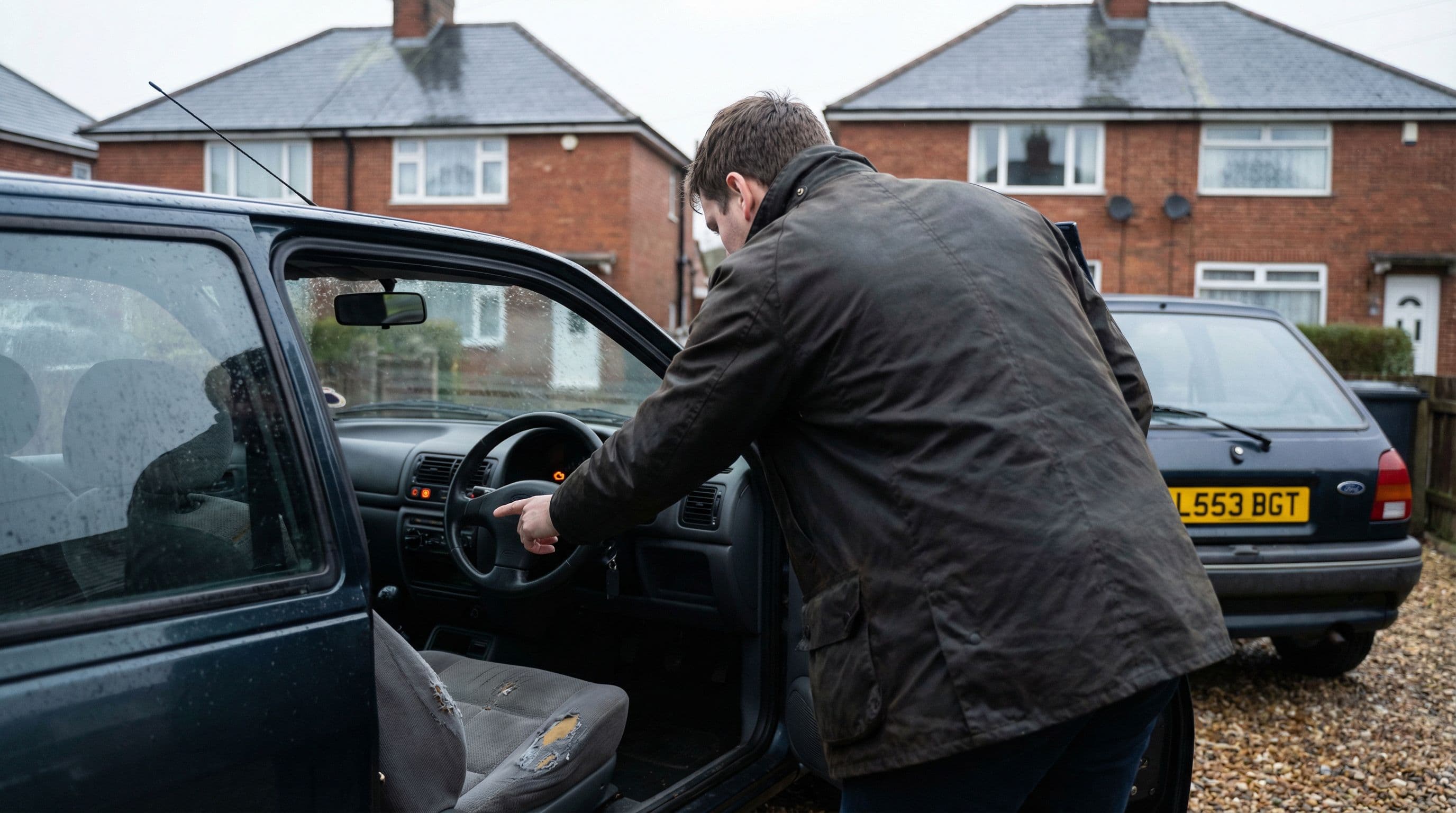

You've bought a car and there's something wrong – but it's not a major mechanical failure. Maybe a window doesn't work. Perhaps there's a rattle. The infotainment system crashes. Can you reject for these "minor" faults?
The answer is more nuanced than you might think.
The Legal Framework
What the Law Says
Under the Consumer Rights Act 2015, goods must be of satisfactory quality, fit for purpose, and as described.
Within 30 days: You can reject for ANY fault that makes the car not of satisfactory quality – minor or major.
After 30 days: You must allow the dealer one opportunity to repair. Only if repair fails can you reject.
The "Satisfactory Quality" Test
A fault makes a car unsatisfactory if a reasonable person wouldn't accept it, considering the price paid, the description given, the age and mileage, and other relevant circumstances. This means the same fault might justify rejection on one car but not another.
Examples: When Minor Faults Justify Rejection
Within 30 Days
You can reject for faults like:
Electric window not working A reasonable person expects all windows to work. It affects daily usability.
Infotainment system crashes repeatedly You paid for a working system. Constant crashes aren't satisfactory.
Air conditioning doesn't work (in summer) If it's warm weather, this significantly affects usability.
Parking sensors malfunction Safety feature not working as expected.
Central locking intermittent Security feature unreliable.
Persistent rattles/squeaks Especially on newer or premium cars where refinement is expected.
Minor electrical gremlins Random warning lights, features cutting out.
After 30 Days
You must allow repair first, but can reject if the repair fails, the repair causes new problems, multiple minor faults together make the car unsatisfactory, or the fault significantly affects your enjoyment or use of the car.

See if you can reject your car. Free, in 2 minutes.
- Enter your reg
- Get your verdict
- Reject your faulty car
Free · No card · About 2 minutes
Not sure which window you are in? Put in your reg and find out, free.
When Minor Faults DON'T Justify Rejection
Disclosed Before Purchase
If you knew about the fault and bought anyway – especially if the price reflected it – you can't reject for it later.
Appropriate for Age/Price
A cosmetic scratch on a £3,000 10-year-old car is different from the same scratch on a £30,000 2-year-old car.
Genuinely Trivial
Some things just aren't faults – an occasional squeak, preferences about how something feels, normal characteristics of the model, or minor wear appropriate to the car's age.
Post-Sale Damage
Things that happen after you buy aren't the dealer's problem – damage you cause, faults from lack of maintenance, or new problems unrelated to the car's condition at sale.
The Aggregation Principle
Multiple Minor Faults = Major Problem
One small fault might not justify rejection. But several small faults together might.
For example, a slow window motor alone might not justify rejection. A radio that cuts out occasionally might not either. A heater that only works on full blast might not on its own. But all three together create a strong case for rejection. The principle is that the car should be generally satisfactory, and multiple issues – even if individually minor – can make it unsatisfactory overall.
How Courts View This
Judges consider whether the cumulative effect of faults makes the car something a reasonable buyer wouldn't accept. "Death by a thousand cuts" is real in consumer law.
Price and Expectations
The More You Pay, The Higher the Bar
| Car Value | Expectation | What's Acceptable |
|---|---|---|
| £2,000 | Basic transport | More minor issues tolerated |
| £10,000 | Reliable daily driver | Most things should work |
| £25,000 | Quality and refinement | Everything should work properly |
| £50,000+ | Near-perfect | Very little tolerance for faults |
A squeaky suspension on a £3,000 car is different from the same squeak on a £30,000 car.
Description Matters
If the car was sold as "excellent condition," faults are less acceptable. If described as "good for age," some wear is expected. If it said "needs work," you accepted some degree of imperfection. The description sets the bar for what counts as satisfactory quality.
The 30-Day Window: Use It
Your Strongest Position
Within 30 days, you can reject for faults that might not justify rejection later – there's no need to accept repair, you're entitled to a full refund, and the burden of proof is lower. If you have minor faults within 30 days and you're unhappy, this is your clearest path to rejection.
Don't Wait and See
If you're unsure, document the fault now, write to the dealer now, and reserve your right to reject now. Waiting until day 35 weakens your position significantly.
After 30 Days: The Repair Route
You Must Allow One Repair
After 30 days, the law says you must give the dealer one chance to repair.
But You Can Reject If:
Repair fails: If they try and fail, you can reject.
Repair takes too long: "Reasonable time" is usually 2-3 weeks. Longer delays may justify rejection.
Repair causes new problems: If fixing one thing breaks another, the repair has failed.
Dealer refuses to repair: Their refusal triggers your right to reject.
The Deduction Question
After 30 days, any refund may have a deduction for "use." For minor faults discovered early, this should be minimal. Dealers sometimes overstate deductions – don't accept unreasonable amounts.
How to Approach Minor Fault Rejection
Step 1: Document Thoroughly
Minor faults need good documentation – videos of the problem occurring, photos where relevant, a written record of when it happens, and a note of how it affects your use of the car.
Step 2: Check Your Timeline
Within 30 days? Strong position to reject outright. Just over 30 days? Argue you notified in time. Well over 30 days? Request repair first, then reject if it fails.
Step 3: Consider the Cumulative Effect
List ALL faults, not just the main one – everything that doesn't work properly, everything that isn't as expected, and every issue however small. Multiple issues strengthen your case considerably.
Step 4: Write to the Dealer
Be specific about each fault you've identified, when each appeared, how each affects your use of the car, and what remedy you want (rejection or repair).
Step 5: Stand Your Ground
Dealers often dismiss minor faults. Your responses:
"That's normal for this model"
"If it's a known issue, that's a design fault. It's still not satisfactory quality."
"It's just cosmetic"
"Cosmetic faults still affect the car's quality. I paid for a car in [described condition]."
"We can fix that easily"
"Within 30 days, I'm entitled to reject rather than accept repair. I'm choosing rejection."
"That's not worth rejecting over"
"Under the Consumer Rights Act, I'm entitled to goods of satisfactory quality. This car isn't."


Special Cases
Electric/Electronic Faults
Modern cars have many electronic features, and when they don't work, these are faults – not preferences. You paid for working features, and "it's just software" isn't an excuse.
Noise and Vibration
These can be subjective, but unusual noises often indicate underlying problems. Compare to other examples of the same model and get a mechanic's opinion if the dealer disputes it.
Intermittent Faults
Faults that come and go are still faults. Document when they occur, because video evidence is powerful. Intermittent doesn't mean acceptable.
"Character" vs. Fault
Some dealers claim faults are "character" of the model, but a known issue is still an issue. Design flaws don't become acceptable just because they affect every example, and you're entitled to a satisfactory car.
The Bottom Line
"Minor" faults can absolutely justify rejection – especially within 30 days. The test isn't whether the fault is major, but whether a reasonable person would find the car satisfactory.
Ask yourself: would you have bought it knowing about this fault? Does the fault affect your daily use? Is it appropriate for what you paid? Are there other faults that add up? If the answers support rejection, then the fault isn't as "minor" as the dealer might claim.
Don't be talked out of your rights because a fault seems small. You paid for a car that works properly – you're entitled to one.
Got minor faults that are driving you mad? Check your car – the bar might be lower than you think.
Related topics