
FaultyCar.co.uk may earn a commission if you buy through links on this page. Vehicle history reports are provided and sold by carVertical. This doesn’t affect the price you pay.
Every year, thousands of people buy used cars with hidden faults that dealers knew about but didn't disclose. Here are the most common tricks – and how to catch them before it's too late.
1. Gearbox Problems Masked by Fresh Fluid
Dealers know that worn gearboxes often feel smoother with fresh transmission fluid. This is especially common with VW DSG gearboxes, where a fluid change can temporarily mask the juddering and hesitation these units are notorious for. A quick fluid change before sale buys them a few weeks – long enough to complete the sale before the slipping or hesitation returns.

To catch this, check whether the transmission fluid looks unusually new and clean relative to the car's age and mileage. A recent fluid change with no other service work recorded is a red flag. Test drive extensively with multiple gear changes at different speeds and listen carefully for whining, clunking, or any hesitation between gears – these symptoms often reappear under sustained driving even if the fluid has been refreshed.
Not sure which window you are in? Put in your reg and find out, free.
2. Engine Warning Lights Reset Before Sale
Dashboard warning lights can be cleared with a £30 diagnostic tool in seconds. Dodgy dealers reset these lights just before you view the car, knowing they'll come back on within a few drive cycles once the engine management system runs its checks again.

Ask to see the car "cold" – the first start of the day. Watch all warning lights during startup: they should illuminate briefly as a self-test, then go off. If any stay lit, or if a light appears during your test drive, the fault is live. Better yet, request an OBD diagnostic scan before buying. Even cleared fault codes leave traces as "historical" or "pending" codes, and any competent mechanic with a scanner can read them.
3. Clocked Mileage
Despite being illegal, mileage tampering remains common in the used car trade. Digital odometers can be wound back in minutes using cheap equipment bought online, instantly adding thousands to a car's perceived value.

The easiest check is free: look up the car's MOT history online and verify that mileage increases consistently between tests. Any decrease is a near-certain sign of clocking. Beyond the MOT records, look for physical wear that doesn't match the claimed mileage – a steering wheel worn smooth, pedal rubbers ground down, or a seat bolster creased and sagging all suggest far more miles than a low-mileage dashboard reading would imply. A history check from HPI or similar services cross-references mileage across multiple data sources.
4. Accident Damage and Write-Offs Poorly Repaired
Cars that have been in accidents – including undisclosed write-offs – can be bought cheaply at auction, given a cosmetic repair, and sold as "great condition." The structural damage remains hidden beneath fresh paint and filler.
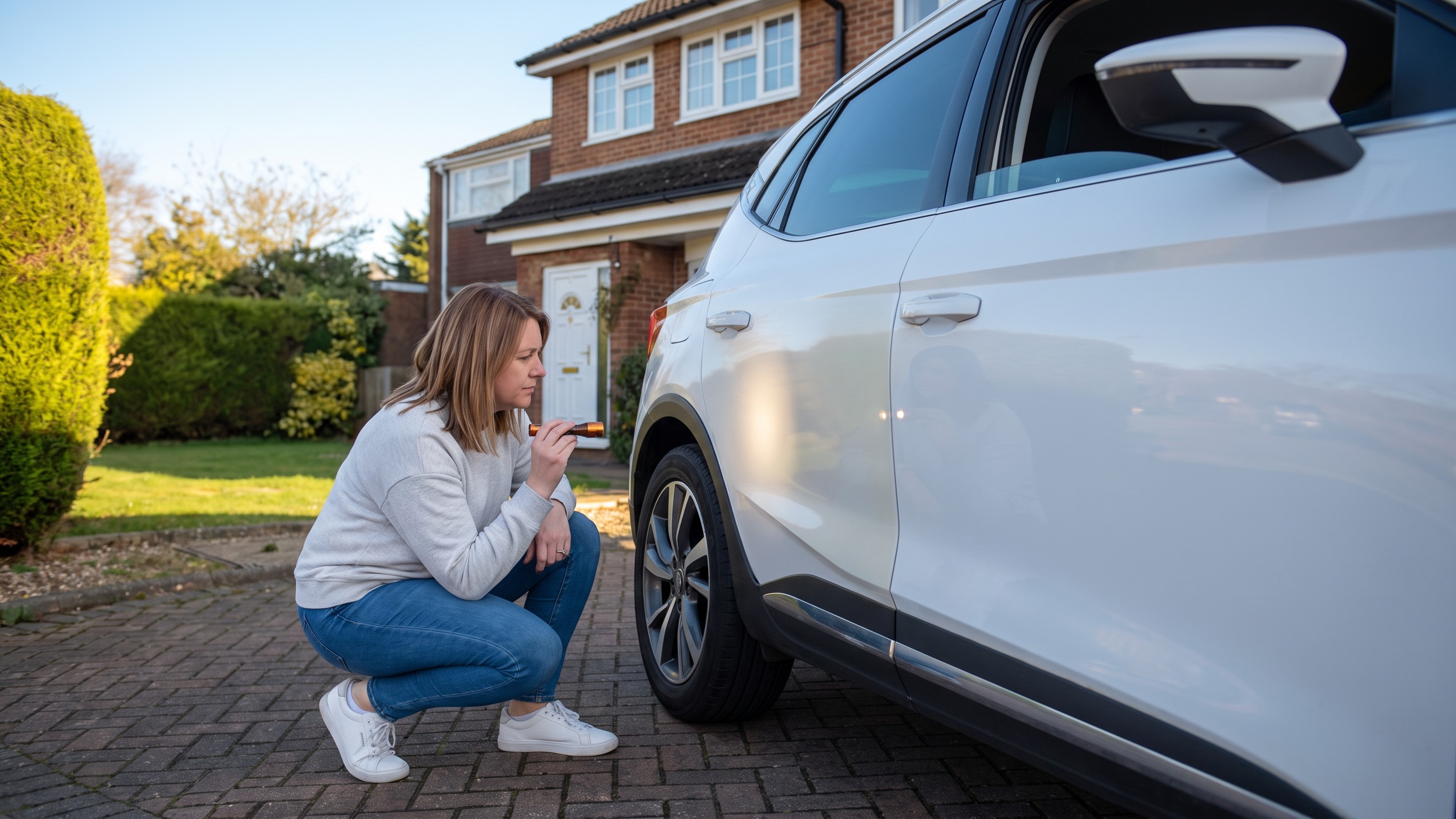
At the viewing, look for inconsistent paint colour or texture between adjacent panels and check that panel gaps are even all around the car. Under the bonnet, look for signs of straightening, welding, or fresh underseal in unusual places. A paid history check will reveal any insurance write-off records, and a professional pre-purchase inspection can identify structural repairs that aren't visible to the untrained eye.
5. Timing Belt or Chain Due or Overdue
Timing belt replacements cost £400-£800+, and dealers sometimes sell cars knowing the belt is overdue, hoping you won't check. The stakes are high – if a timing belt snaps on an interference engine, the pistons hit the valves and the engine is usually destroyed. A £500 preventative replacement becomes a £3,000+ engine rebuild.
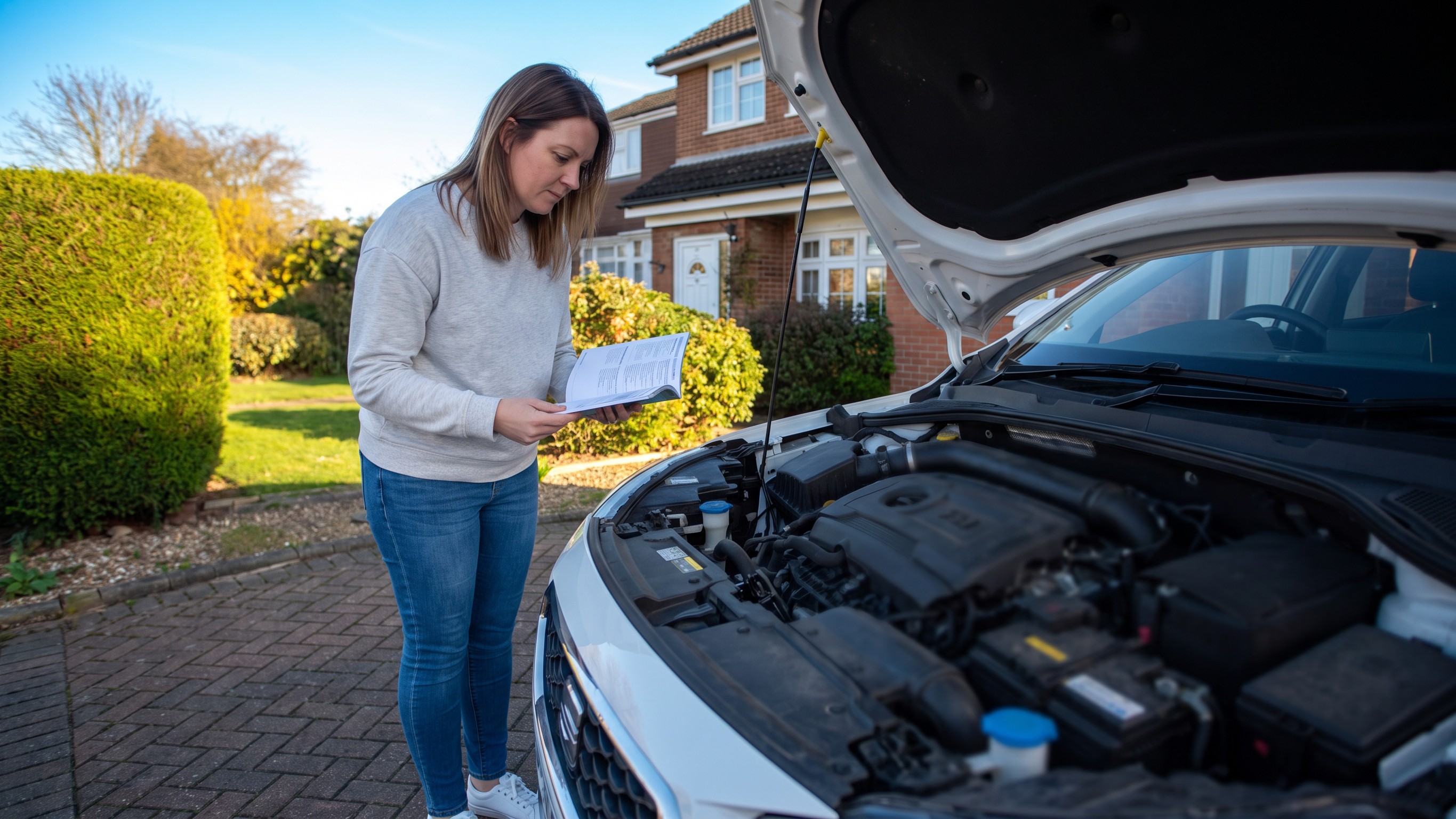
Ask specifically about timing belt replacement and check the service history for evidence it's been done. Research when your specific make and model needs the belt changed (typically every 60,000-100,000 miles or every 5-7 years, whichever comes first). Some engines are particularly high-risk: the BMW N47 timing chain and Ford EcoBoost wet belt are both well-known failure points. If the dealer can't confirm when it was last replaced, assume the worst and factor the cost into your offer – or walk away.
6. DPF Problems Temporarily Fixed
Diesel Particulate Filter (DPF) replacements cost £1,000-£2,000, making them one of the most expensive common repairs on diesel cars. Some dealers use additives or forced regeneration to temporarily clear blockages before sale, knowing the filter will clog again within weeks – especially if the car is driven on short urban journeys.

Ask whether the DPF has been cleaned or regenerated recently, and watch for a DPF warning light during startup. Take an extended test drive on varied roads including some motorway driving, as DPF issues often manifest on the kind of short stop-start journeys the car may have been avoiding in the dealer's care. Excessive smoke or visible particulates from the exhaust under acceleration are warning signs.
7. Flood or Water Damage Cleaned Up
Flood-damaged cars are often written off by insurers and then "repaired" – really just dried out and cleaned up – before being sold on. The real damage is invisible at first: water corrodes wiring connectors, soaks into ECU modules, and breeds mould inside the cabin. Electrical gremlins that appear months later can be nearly impossible to diagnose.

When viewing the car, sniff inside – a musty or damp smell is a giveaway. Pull back carpet edges and check under seats for watermarks, staining, or surface rust on the seat rails. In the boot, look for corrosion around the spare wheel well and check electrical connectors for the telltale green verdigris of water exposure. A vehicle history check can reveal insurance claims consistent with flood damage.


What To Do If You've Been Caught Out
If you've bought a car and discovered one of these hidden faults, you likely have strong legal rights:
Within 30 Days
You can reject the car outright for a full refund under the Consumer Rights Act 2015. Learn more about the 30-day rejection window. The dealer cannot insist on attempting repairs first.
Within 6 Months
You can request repair or replacement. If this fails, you can then reject for a refund (potentially with a small deduction for use).
Evidence Is Key
Whatever the hidden fault, strong evidence underpins any claim. Keep all paperwork from the sale, document the fault with photos and videos as soon as you discover it, get an independent inspection report if possible, and save every communication with the dealer – emails, texts, even notes of phone calls with dates and times. If you bought on PCP or HP, remember the finance company legally supplied the car and is directly responsible for its quality – you can complain to them as well as the dealer.
The Bottom Line
The best defence is buying from reputable dealers and getting an independent inspection before purchase. But if you do get caught out, knowing your rights means you can fight back.
Dealers who hide faults are breaking the law. The car was not "as described" or of "satisfactory quality" – and that means you have the right to reject it.
Bought a car with hidden faults? Check your car – free, and we've helped thousands get their money back.
Related topics