
Key takeaways
- The free MOT history check catches most clocked cars in two minutes
- A clocked car is not as described: reject it, in writing, citing the Act
- On HP or PCP the finance company answers for the mileage the dealer gave you
- Report it to Trading Standards; selling a clocked car as genuine is fraud
FaultyCar.co.uk may earn a commission if you buy through links on this page. Vehicle history reports are provided and sold by carVertical. This doesn’t affect the price you pay.
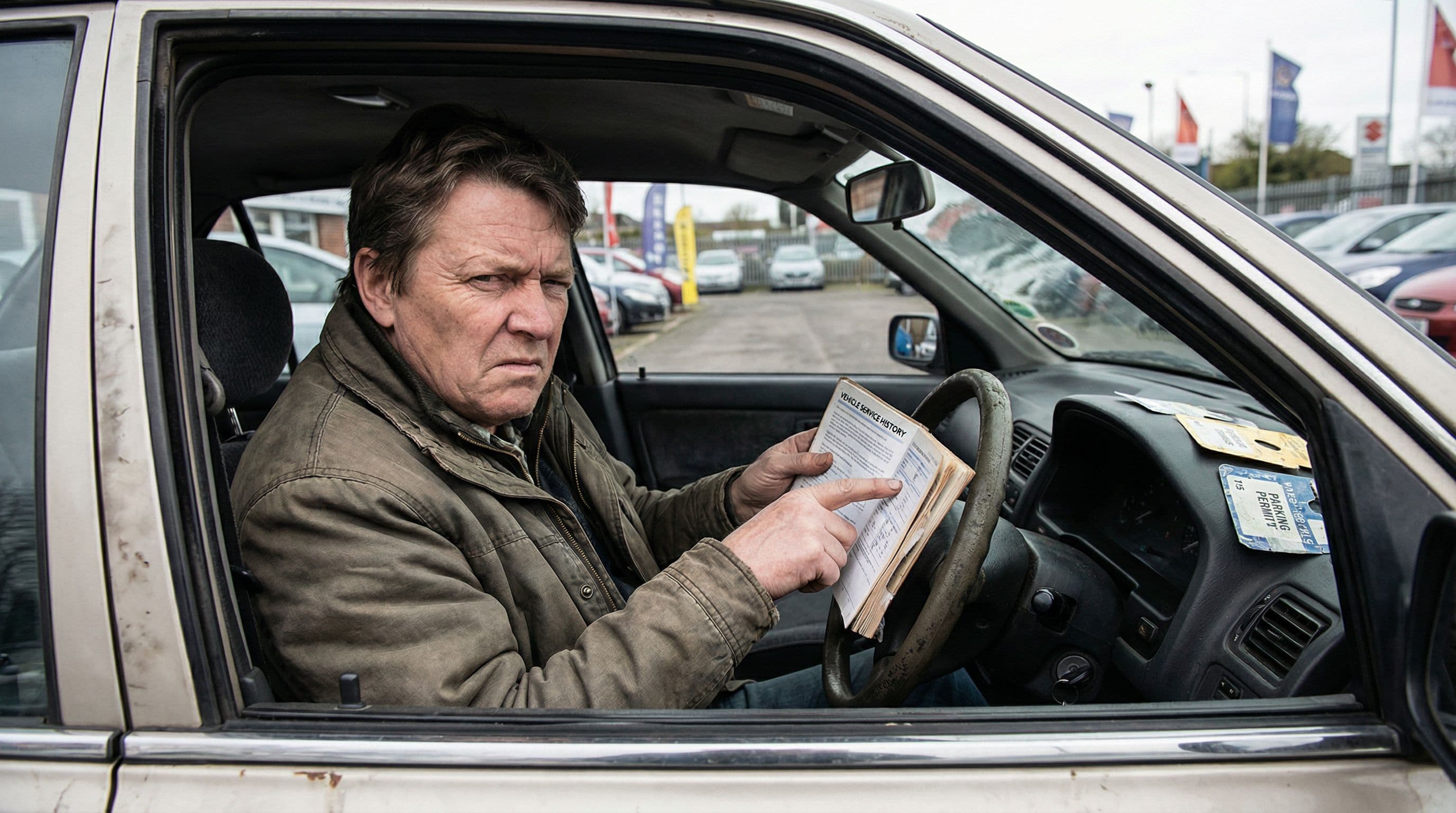
Mileage clocking – winding back a car's odometer to make it appear less used – is fraud when the car is sold as genuine, it is dangerous, and it is far more common than you'd think. Here's how to spot it in two minutes, and what your rights are if it has already happened to you.
The scale of the problem
According to various industry estimates:
An estimated 2.5 million clocked cars are currently on UK roads, with an average mileage reduction of around 50,000 miles. Victims lose an average of £2,000-£4,000 per car, putting the total annual cost to UK consumers at over £800 million.
Digital odometers haven't solved the problem – they've just changed the tools needed. A dodgy operator can wind back modern digital dashes in under 10 minutes.
Not sure which window you are in? Put in your reg and find out, free.
Why clocking is so harmful
Safety risks
Service intervals are based on mileage. A clocked car may have worn brake components, an overdue timing belt (which risks engine destruction), tired suspension and steering, and degraded tyres. You think you've got 30,000 miles before the timing belt needs doing. In reality, it's 10,000 miles overdue.
Financial loss
A car with 60,000 miles is worth significantly more than one with 120,000. Clockers pocket the difference – and you're left with an overpriced, worn-out vehicle.
Future problems
When you sell, you might unknowingly pass on a clocked car. MOT records will reveal the true mileage, making the car virtually unsellable.
How to spot a clocked car
1. Check the MOT history
This is your most powerful free tool. Every MOT records the mileage.
Go to: www.gov.uk/check-mot-history
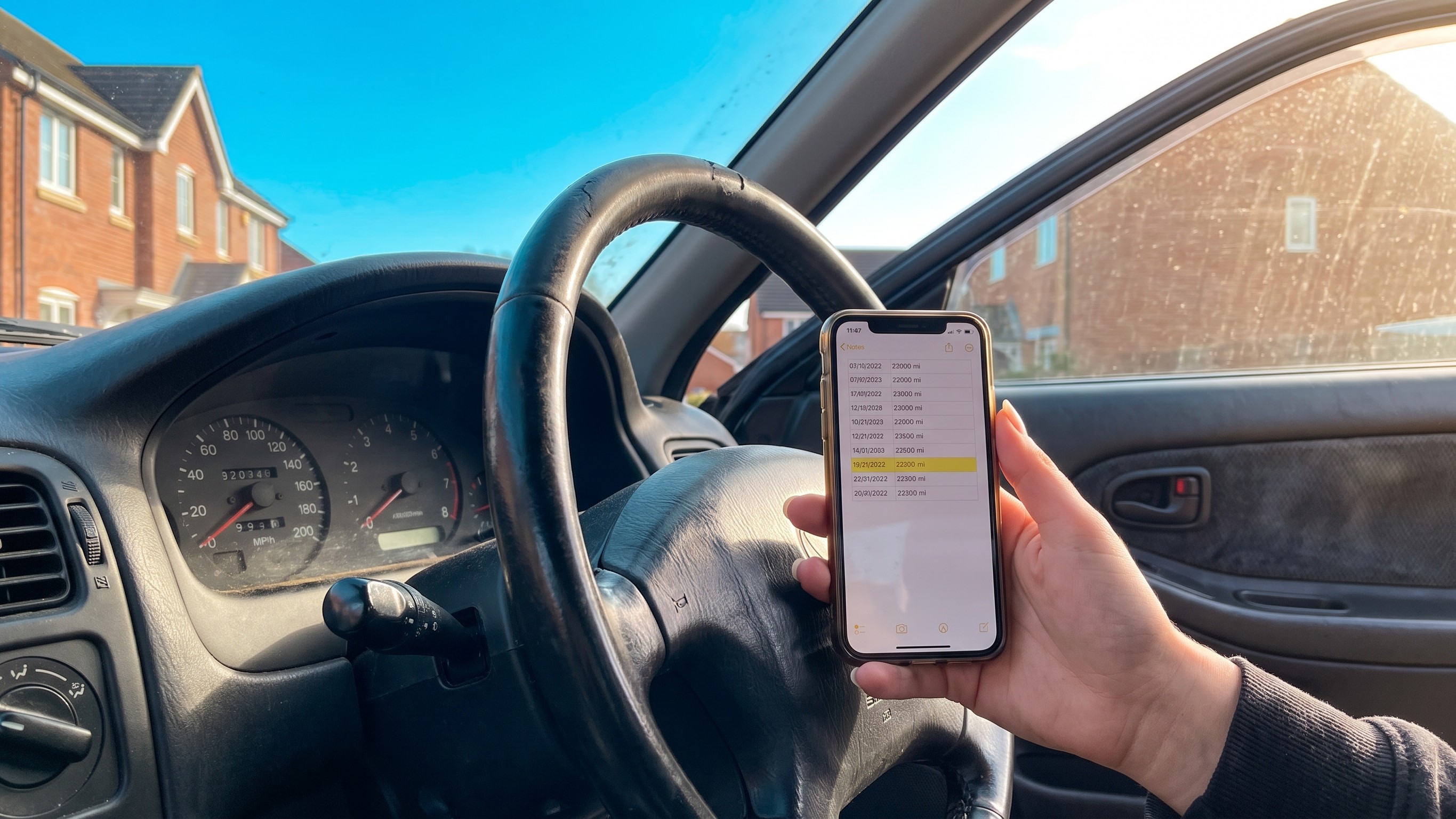
Enter the registration and look for mileage going down between tests, mileage jumps that don't match normal use (the UK average is around 7,000 miles a year now, lower than it was), and gaps where mileage might have been manipulated.
MOT history, as the free check shows it
A reading lower than the one before it. Mileage never goes down; the only explanations are a replaced instrument cluster, which the seller should be able to prove, or a clock that has been wound back.
2. Examine wear patterns
Does the car look like its claimed mileage?
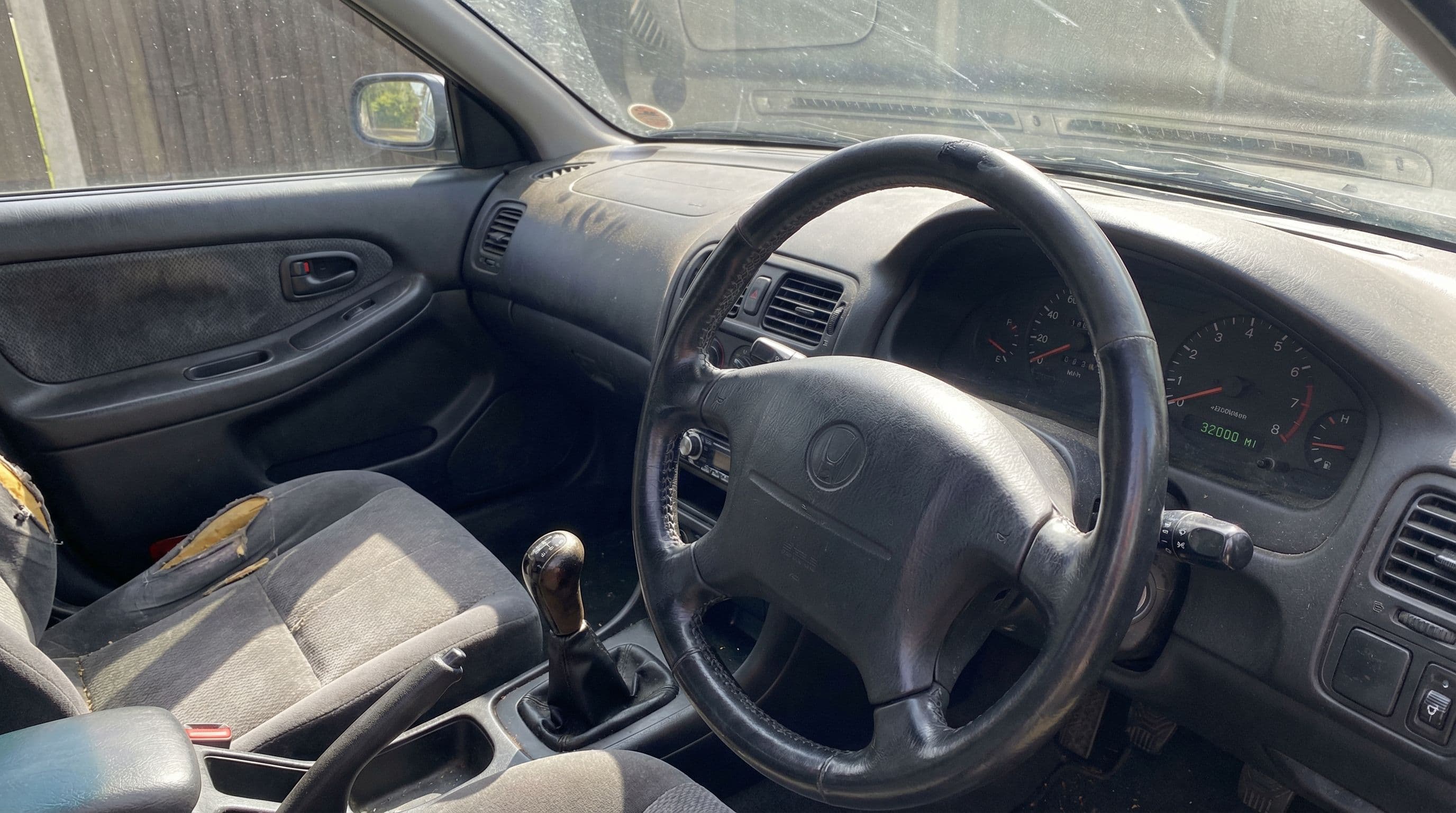
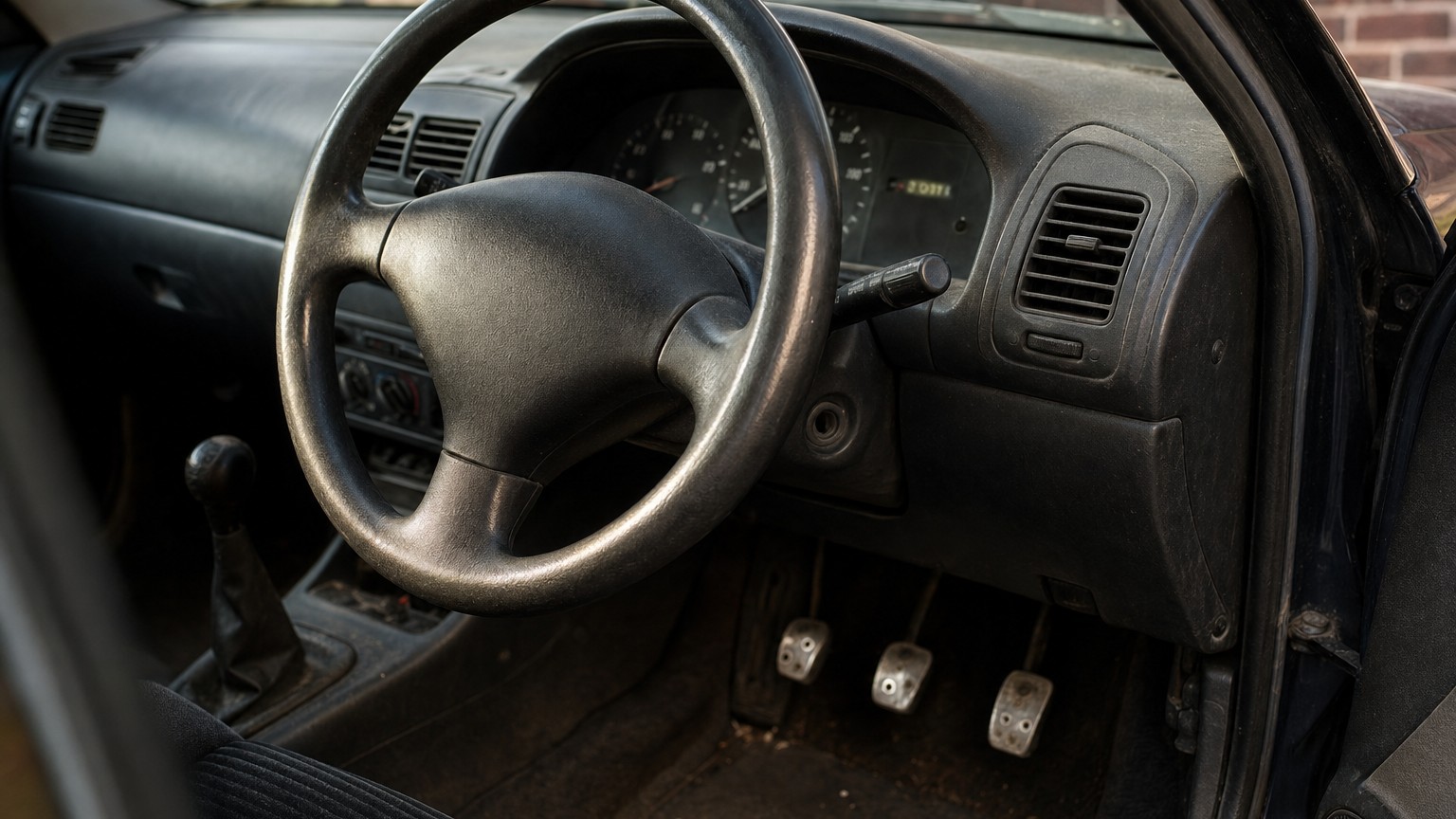
A genuinely low-mileage car should show crisp pedal rubbers with visible lettering, an unworn driver's seat bolster, a clean and smooth steering wheel, and sharp gear knob markings. High mileage shows the opposite – shiny worn pedals, a sagging driver's seat, a polished steering wheel, and a smooth gear knob. If a 40,000-mile car has wear like a 120,000-mile one, something's wrong.
3. Check the service history
Service stamps and receipts record mileage, and they should show consistent progression, realistic intervals, and matching figures between the service book and receipts. Missing history or gaps could indicate mileage tampering during those periods. Be aware that service history can also be faked – verify stamps by calling the garages listed.
4. Look at the condition overall
A well-maintained high-mileage car often looks better than a low-mileage one that's been abused. Trust your instincts – does the overall condition match the story?
5. Get a vehicle history check
Services like HPI, Experian AutoCheck, or the AA pull mileage data from multiple sources including insurance records, finance companies, auction data, and service networks. They can flag mileage discrepancies you wouldn't find through MOT history alone. A car history check costing £10-20 is well worth the investment.
What the law says
It's criminal fraud
Winding the odometer back is not an offence on its own, which is why the people who do it stay in business. Selling the car without saying so is: it is fraud by false representation under the Fraud Act 2006, and a misleading commercial practice under the Digital Markets, Competition and Consumers Act 2024, which replaced the 2008 Unfair Trading Regulations in April 2025. Penalties include unlimited fines and prison, and Trading Standards do prosecute.
A clocked car is not "as described" under the Consumer Rights Act 2015, giving you the right to reject for a full refund within 30 days or after a failed repair, claim damages for financial loss, and rescind the contract entirely if there was misrepresentation.
Finance protection
If you bought on PCP or HP, the finance company legally supplied the car – and under Section 56 of the Consumer Credit Act, the dealer's claims about the mileage bind them. They can't escape responsibility because the dealer was dishonest. If you paid a deposit by credit card, Section 75 may also give you a claim against the card issuer.
What to do if you've bought a clocked car
Step 1: Gather evidence – screenshot the MOT history showing the discrepancy, keep all purchase documents, photograph the car's wear, and get service records if available.
Step 2: report to Trading Standards
Clocking is a criminal offence. Report it at www.gov.uk/report-trading-standards-issue. They investigate and can prosecute.
Step 3: reject the car in writing
Write formally stating you're rejecting the car because it's not as described, referencing the Consumer Rights Act 2015, the specific mileage discrepancy with the MOT dates and readings, and your demand for a full refund. Clocking is the one fault where the evidence is already written down by the government, so the letter mostly has to cite it properly.

Or have the letter written from your answers.
- Enter your reg
- Get your verdict
- Reject your faulty car
Free · No card · About 2 minutes
Step 4: contact your finance company
If you bought on finance, inform them of the fraud. As the legal supplier of the car they're responsible for it too, and they may have more leverage with the dealer.
Step 5: consider court action
If the seller refuses to refund, Small Claims Court is an option. Clocking cases are often clear-cut – the MOT evidence is hard to dispute.
How sellers try to deny it
"The previous owner must have done it"
Doesn't matter. The car wasn't as described at the point you bought it. The seller's responsibility.
"You should have checked"
The duty is on them to provide accurate information, not on you to detect fraud.
"We'll split the difference"
You're entitled to a full refund if you're within your rights. Don't accept less.
"Take us to court then"
Many are bluffing. When you actually issue proceedings, they often settle.
Prevention is better than cure
Before buying any used car:
Always check the MOT history (free and takes 2 minutes), get a vehicle history check (£10-20 well spent), examine wear carefully and trust your eyes, request service history and verify it matches, and consider an independent inspection – a good inspector will spot inconsistencies between claimed mileage and actual wear. If everything checks out and the price seems right, it probably is. If anything feels off, walk away.
The bottom line
Mileage clocking is a serious fraud that costs UK consumers hundreds of millions annually. But it's also one of the easier frauds to detect if you know what to look for.
Check. The. MOT. History.
It's free, it takes minutes, and it catches most clocked cars. There's no excuse for not doing it.
If you've been caught out despite your best efforts, you have strong legal rights. Clocking is both criminal fraud and a civil wrong – and you shouldn't have to accept it.
Frequently asked questions
Altering the odometer is not, by itself, an offence, which surprises people. Selling or advertising the car without disclosing that the reading is wrong is: it is fraud by false representation under the Fraud Act 2006, and a misleading practice under the Digital Markets, Competition and Consumers Act 2024, which replaced the 2008 Unfair Trading Regulations in April 2025. Trading Standards prosecute, and the penalties include unlimited fines and prison.
Put the registration into the GOV.UK MOT history service. Every test since 2005 is listed with the mileage recorded on the day, so a reading that goes down between tests, or a jump that does not match the gap in time, is the giveaway. Then compare the dashboard with the wear: pedal rubbers, the driver's seat bolster and the steering wheel tell you roughly how far a car has really gone. A paid history check, £10 to £20, adds mileage readings from insurers, finance companies and auctions.
Yes. Mileage is part of the description, and a car that has done far more than the dealer said is not as described under section 11 of the Consumer Rights Act 2015. Inside 30 days that is a full refund; after that it is a repair or replacement first, which for a mileage misdescription is not possible, so it comes back to the final right to reject with at most a deduction for the use you have had. Where the dealer knew, it is also misrepresentation, which lets you unwind the sale and claim your losses whatever the date.
Walk away, and if it is a dealer, tell Trading Standards through the Citizens Advice consumer service: they want to hear about cars on the forecourt, not only cars that have been sold. Keep the advert and a screenshot of the MOT history showing the discrepancy. If you have paid a deposit, ask for it back in writing on the ground that the car is not as described; a dealer who has just been caught rarely argues.
The finance company, as well as the dealer. On HP or PCP the lender is the legal supplier of the car, and under section 56 of the Consumer Credit Act 1974 the dealer's statements about the mileage are treated as the lender's own. Write to both, reject the car as not as described, and send the lender the MOT history. The lender has eight weeks to give a final answer and the Financial Ombudsman after that. If you paid any part of the price by credit card, section 75 gives you the card issuer too.
To the Trading Standards Service for Northern Ireland, which is part of the Department for the Economy, on 0300 123 6262 or through its website; Citizens Advice's consumer helpline covers England, Wales and Scotland only. The law is the same: the Fraud Act 2006 and the consumer protection provisions apply across the UK, and the Consumer Rights Act 2015 gives you the same right to reject.
Related topics