
Key takeaways
- Dealers must disclose Cat S or Cat N history
- Staying silent is misrepresentation, and possibly a criminal offence
- Undisclosed write-off status can unwind the whole sale
- A £10 to £20 history check is the evidence that wins it
FaultyCar.co.uk may earn a commission if you buy through links on this page. Vehicle history reports are provided and sold by carVertical. This doesn’t affect the price you pay.
You've just discovered that your car was previously written off – and the dealer never told you. This is one of the most common forms of misrepresentation in the used car market, and you have strong legal rights — including, potentially, the right to reject the car for a refund.
Understanding write-off categories
Since 2017, the Association of British Insurers (ABI) has used four categories for damaged vehicles.
Cat A
Scrap only
The whole car must be crushed. It should never be on the road again.
Cannot be sold
Cat B
Break for parts
Parts can be salvaged, but the body shell must be destroyed.
Cannot be sold whole
Cat S
Structural damage, repaired
Damage to the chassis or frame, since repaired. Was Cat C before 2017. Typically worth 20 to 40% less.
Can be sold, must be disclosed
Cat N
Non-structural damage
Cosmetic, electrical or mechanical damage the insurer chose not to repair. Was Cat D. Typically worth 10 to 25% less.
Can be sold, must be disclosed
Category A (Scrap Only) and Category B (Body Shell Destruction) are the most severe. Category A cars must be crushed entirely – they should never appear on the road. Category B cars can have their parts salvaged, but the body shell must be destroyed. If you encounter either of these for sale as a complete vehicle, something is seriously wrong.
The two categories you're most likely to encounter in the used car market are Category S and Category N.
Category S (previously Cat C) means the car suffered structural damage – damage to the chassis, frame, or structural elements – which has since been repaired. These cars can be legally sold and driven, but the write-off history must be disclosed. A Cat S car is typically worth 20-40% less than an equivalent non-damaged vehicle, which is exactly why some dealers try to hide it.
Category N (previously Cat D) covers non-structural damage – cosmetic, electrical, or mechanical issues that led to an insurance write-off. These are often cars where the repair cost simply exceeded what the insurer was willing to pay, rather than cars with serious structural concerns. They can be legally sold and driven, and are typically worth 10-25% less than their non-damaged equivalents.
Not sure which window you are in? Put in your reg and find out, free.
Must dealers disclose write-off status?
Yes. Under the Consumer Rights Act 2015, goods must match their description and be of satisfactory quality. A car's write-off history materially affects its value, its insurability, and its desirability – all of which a reasonable buyer would want to know before committing.
Failing to disclose write-off status constitutes misrepresentation (you were misled about what you were buying), breach of contract (the car doesn't match its implied description), and is potentially fraudulent if the dealer knew and deliberately concealed it. It may also be a criminal offence under the Consumer Protection from Unfair Trading Regulations 2008.
Is it illegal to sell a written-off car without telling the buyer?
For a dealer, yes, on two counts. In civil law it is misrepresentation, which is what unwinds the sale and gets your money back. Under the Consumer Protection from Unfair Trading Regulations 2008 it is also a misleading omission, which is a criminal matter for Trading Standards. The car itself can be sold legally once it has been repaired and, for a Cat S, re-registered; what is not legal is selling it as if it had never been written off.
A private seller is a different case. The Consumer Rights Act does not apply to a private sale, and no statute makes a private seller volunteer the history. But a private seller who is asked and lies, or whose advert implies a clean history, has still misrepresented the car, and you can claim against them for it. Either way, you must tell your own insurer as soon as you find out: write-off history is a material fact, and a claim can be refused if it was hidden.
How to check if your car is a write-off
If you didn't run a history check before buying, do one now – the £10-20 cost is a small price for evidence that could support a full refund claim.
The free DVLA vehicle enquiry shows registration and tax status, and the MOT history can reveal mileage gaps suggesting time off the road for repairs. But for write-off status specifically, you'll need a paid check. The HPI Check is the industry standard, though AA/RAC checks and Experian AutoCheck also include write-off history. Any of these will give you the documentary evidence you need.
Your rights if write-off status wasn't disclosed
Rejection for misrepresentation
You can reject the vehicle and claim a full refund. The legal basis is straightforward: the dealer made a false representation by omission (they didn't tell you about the write-off), you relied on that representation when deciding to buy, and you wouldn't have purchased the car – or wouldn't have paid the price you did – if you'd known the truth.
The 30-day right to reject
If you discover the write-off status within 30 days of purchase, you have an automatic right to reject under Section 22 of the Consumer Rights Act 2015. You don't need to accept a repair or a price reduction – it's a straight refund.
After 30 days
Here's the important part that many people don't realise: misrepresentation claims are not limited to 30 days. You have 6 years from the date of purchase to bring a misrepresentation claim. So even if you only discover the write-off status months or years later, you can still claim.
What you can claim
Beyond the full purchase price, you can claim for cancellation of any finance agreement and consequential losses such as insurance premiums, road tax, and fuel costs for returning the vehicle.
What if you paid on finance?
If you used PCP or HP, you have significant additional protection. The finance company legally supplied the car, so it's directly responsible for the car under the Consumer Rights Act – and under Section 56 of the Consumer Credit Act, the dealer's representations during the sale bind the lender, so the finance company answers for the misrepresentation too. If you paid a deposit on a credit card, Section 75 may also give you a claim against the card issuer. Contact both the dealer and the finance company simultaneously – if the dealer refuses to cooperate, the finance company must still address your complaint, and they often have more power to force a resolution. For PCP agreements or HP finance, the process involves unwinding the finance agreement entirely.
Sample letter: write-off not disclosed

Or have the letter written from your answers.
- Enter your reg
- Get your verdict
- Reject your faulty car
Free · No card · About 2 minutes
What a dealer might say
"We didn't know it was a write-off"
This is rarely credible. Professional dealers have a duty to know what they're selling. A basic HPI check costs under £20 and takes minutes – if they didn't run one, that's negligence, not innocence. The V5C document, inspection for repair signs, and keeper history all provide further clues. Courts take a dim view of dealers who claim ignorance on something so easily checked.
"It's been professionally repaired"
The quality of the repair is irrelevant to the disclosure obligation. You're entitled to know the car was written off so you can make an informed purchasing decision. Many buyers specifically avoid write-offs regardless of how well they've been repaired – that's their right, and the dealer took that choice away from you.
"It doesn't affect the value"
This is demonstrably false. Search for the same make, model, year, and mileage on AutoTrader and compare non-write-off prices to Cat S/N equivalents. The gap is typically 20-40% for Cat S and 10-25% for Cat N. That price difference is concrete evidence of your loss.
"You should have done a check yourself"
The dealer's disclosure obligations exist regardless of whether you ran your own checks. It's not your responsibility to catch their misrepresentation – it's their responsibility not to misrepresent in the first place.
What if the dealer refuses?
Start with a formal written complaint setting a 14-day deadline. If they don't respond or refuse, escalate systematically.
Report the dealer to Trading Standards – failure to disclose write-off status may constitute a criminal offence under the Consumer Protection from Unfair Trading Regulations 2008. If you used finance, escalate to the lender since they're responsible for the misrepresentation too and can pressure the dealer far more effectively than you can alone. If the dealer is a member of the Motor Ombudsman, file a formal complaint there too.
If none of these routes resolve things, small claims court is straightforward for claims under £10,000. You'll need your proof of purchase, the HPI check showing write-off status, evidence that the dealer didn't disclose it (the original listing, any correspondence), and evidence of the value difference between a non-write-off and a Cat S/N equivalent. Write-off non-disclosure cases tend to be strong in court because the evidence is black and white – either the car was a write-off or it wasn't, and either the dealer told you or they didn't.
Can I keep the car and claim compensation?
Yes – rejection isn't your only option. If you're happy with the car itself but paid too much for it, you can claim the difference in value instead. Get the car valued as if it weren't a write-off, then as a Cat S/N, and claim the gap. On a £10,000 car, a Cat S history might reduce the value by £2,000-4,000 – that's the amount you're owed for the dealer's failure to disclose.
Insurance implications
Discovering write-off status affects more than just the car's value. You're legally required to inform your insurer, and premiums may increase as a result. Some insurers won't cover Cat S vehicles at all, and any agreed value on your policy may be significantly lower than you expected. Document any premium increase carefully – you may be able to claim this back from the dealer as a consequential loss.
Preventing this problem
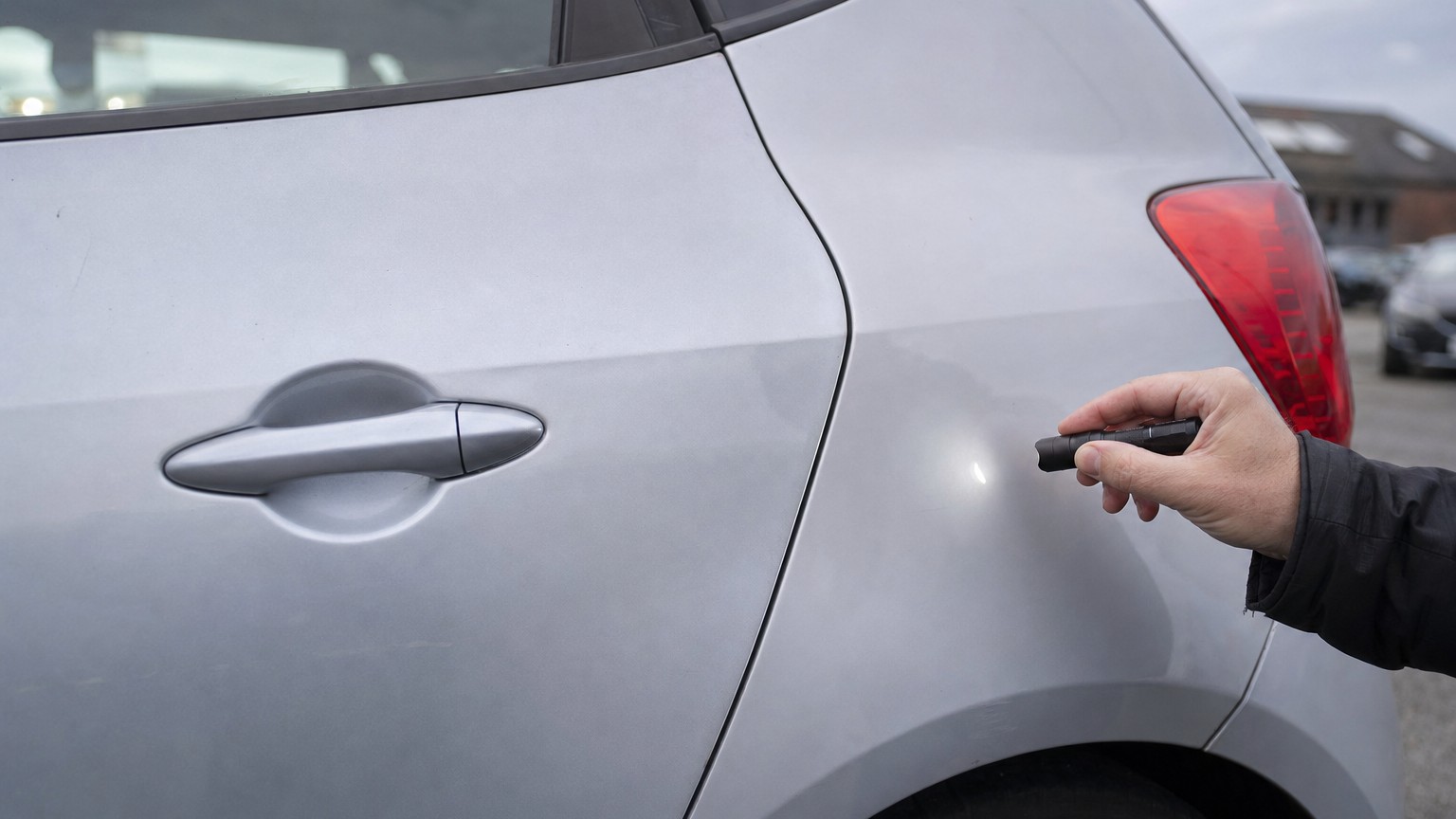
If you're buying another used car, prevention is straightforward. Always run a history check before committing – the £20 cost is negligible compared to the risk. Ask the seller specifically about write-off history and get their answer in writing (even a text message counts). At the viewing, look for repair signs like mismatched paint, uneven panel gaps, fresh underseal in unexpected places, and welding marks underneath. Check the V5C for multiple recent keepers, which can indicate the car has been passed through trade sales to obscure its history.
Discovered your car is an undisclosed write-off? Check your car — it's free. Then the letters to reject it.
Frequently asked questions
For a dealer, yes. Leaving out something a buyer needs to know is a misleading omission under the Consumer Protection from Unfair Trading Regulations 2008, which is a criminal matter for Trading Standards, and it is misrepresentation in civil law, which is what gets you your money back. A private seller is not covered by those regulations, but if they are asked and lie, or describe the car in a way that hides it, that is still misrepresentation.
There is no statute that says a private seller must volunteer it, but you must answer honestly if asked, and the advert must not describe the car in a way that implies a clean history. Most private sellers state it up front, because a buyer who finds out later can bring a misrepresentation claim, and because the history check they will run shows it anyway.
Yes. Write-off history is a material fact, and an insurer can refuse a claim or void the policy if it was not disclosed. Tell them as soon as you find out. If your premium goes up as a result, keep the evidence: that increase is a loss you can claim from the dealer who did not tell you.
Cat S means structural damage, to the chassis or frame, that has since been repaired. Cat N means non-structural damage, such as cosmetic, electrical or mechanical, that the insurer decided was not worth repairing. Both can be sold and driven legally once repaired, both must be disclosed by a dealer, and both reduce the value: typically 20 to 40% for Cat S and 10 to 25% for Cat N.
Yes. Rejection is one option; the other is to keep the car and claim the gap between what you paid and what a Cat S or Cat N example was actually worth. Get the two valuations in writing and put the figure to the dealer. If you bought on finance, the finance company is responsible for the misrepresentation too.
Related topics