
FaultyCar.co.uk may earn a commission if you buy through links on this page. Vehicle history reports are provided and sold by carVertical. This doesn’t affect the price you pay.
A car might look perfect. The seller seems genuine. The price is right. But hidden beneath the surface could be outstanding finance, a write-off history, or clocked mileage. A history check reveals what the seller might not.
What Does a History Check Cover?
Outstanding Finance
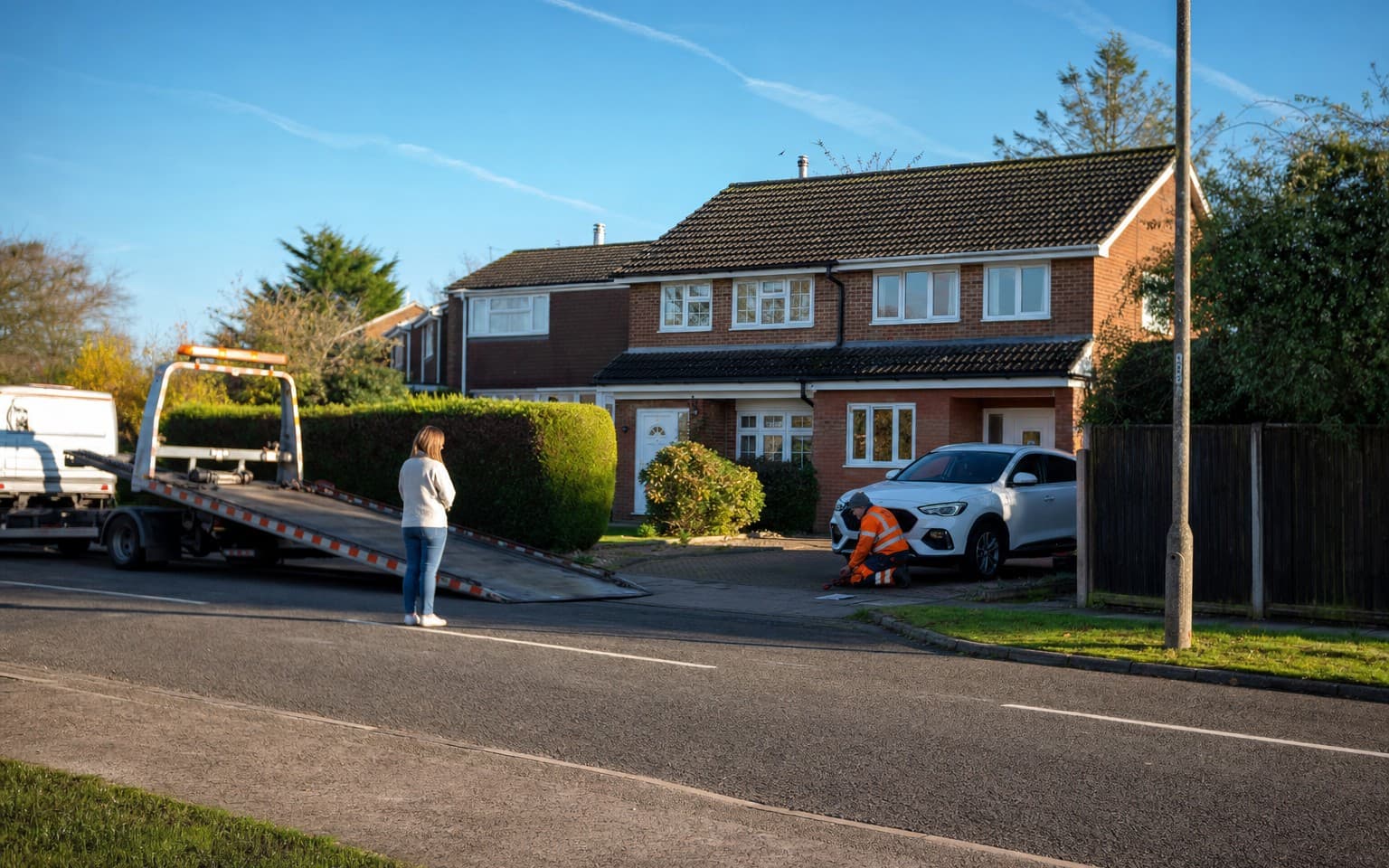
This is the most critical check. If the previous owner took out finance and didn't settle it, the finance company still legally owns the car – and they can repossess it from you, even though you paid for it in good faith.
A history check shows whether finance is currently registered against the vehicle and which company holds the agreement. One important caveat: a clear result means no finance is registered at the time of the check. It doesn't guarantee the seller will settle any finance before completing the sale, so always verify settlement at the point of transfer.
Write-Off Status
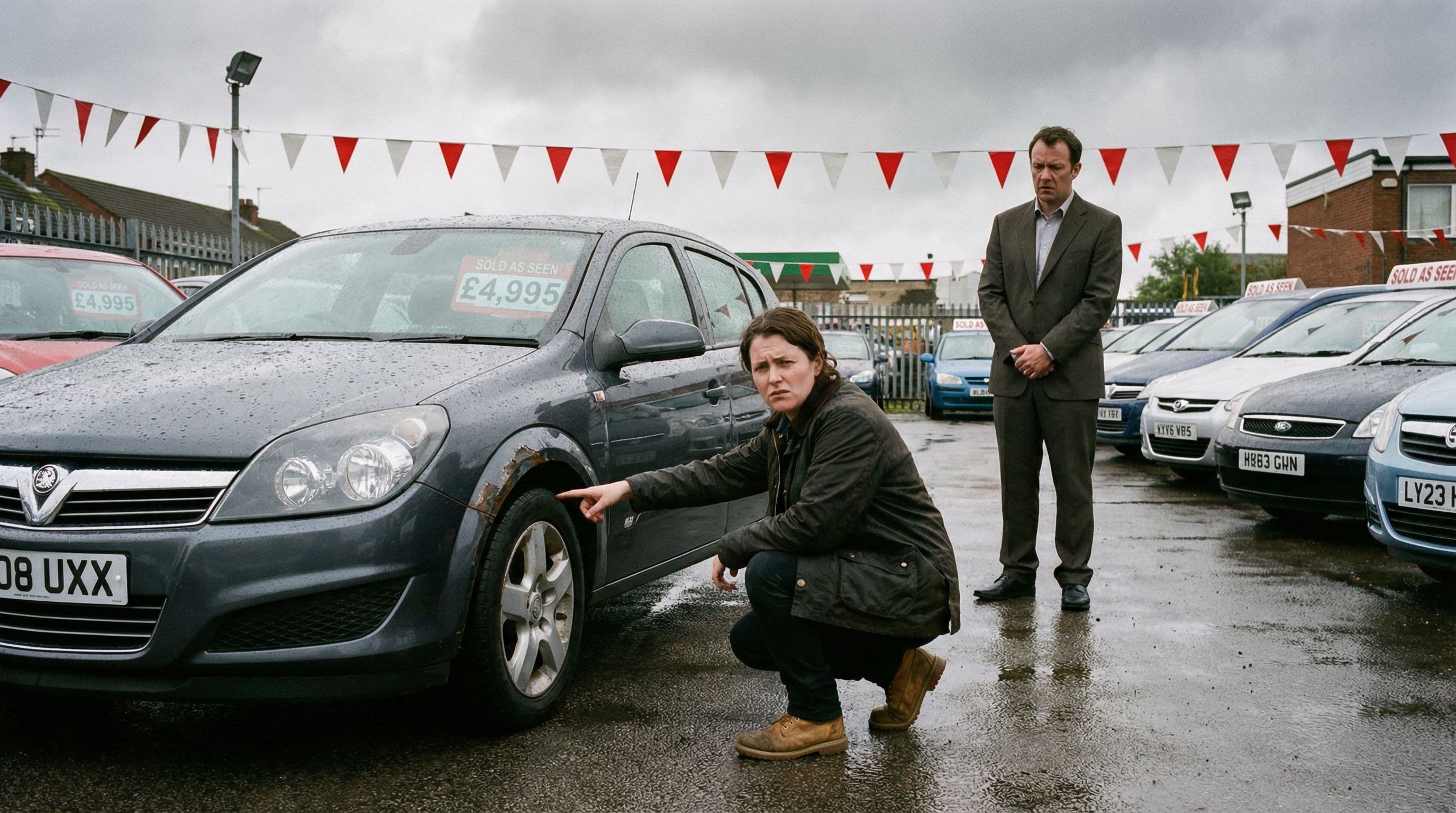
If a car has been written off by an insurance company, it's assigned a category reflecting the severity: Category A (scrap only), Category B (body shell destroyed), Category S (structural damage, repaired), or Category N (non-structural damage, repaired). Write-off history significantly affects value – typically 20-40% for Cat S – and may indicate hidden problems from poor repairs.
Stolen Status, Mileage, and More
The check cross-references the Police National Computer for stolen markers, and compares mileage readings from MOT tests, service records, previous checks, and finance agreements to identify potential clocking. It also shows plate changes (sometimes used to hide a car's history), the number of previous keepers (many owners in a short time can indicate problems), import/export status, and whether the car has been through the DVLA's Vehicle Identity Check – often required for rebuilt write-offs.
Which Service Should You Use?
HPI Check is the original and most well-known – "HPI" has become a generic term, like "Hoover." A full check costs around £20-30 and pulls data from finance companies, insurers, the DVLA, and police databases. HPI also offers a financial guarantee if their data turns out to be wrong, which provides an extra safety net.
AA and RAC history checks cost £8-20 and carry the weight of trusted brands. They're particularly useful if you're also booking a physical inspection, as you can combine both services. AutoTrader offers a free basic check and full checks for £8-15, which is convenient if you're already browsing their listings.
For free checks, the DVLA provides MOT history, tax status, first registration date, and engine size through gov.uk – but these don't include finance or write-off data, which are the most critical pieces of information.
Other reputable services include Experian AutoCheck, mycarcheck.com, and Total Car Check. All access similar underlying data sources, so the choice often comes down to price and interface preference.
carVertical checks by registration number or VIN and, by its own account, draws on more than 1,000 data sources across 45+ countries. Readers of this site get 20% off a report with the code faultycar — run a carVertical check.
How to Read the Results
Finance clear is good news, but verify the seller will actually settle any recent finance before you complete. Checks only show agreements registered at the time – a very recent loan might not appear immediately.
Finance registered means stop. Either walk away, require the seller to settle the finance before completion (with proof), or use an escrow service that settles finance from the sale proceeds. Never buy a car with outstanding finance and assume it'll be sorted later – the finance company can legally repossess it from you.
Cat S or Cat N write-off means the car has been in an accident serious enough for an insurance write-off but has since been repaired. This isn't necessarily a reason to walk away, but consider the quality of repair (get an inspection), the impact on value (it should be priced significantly lower), and insurance implications (some insurers won't cover Cat S vehicles). Cat A or Cat B on the other hand – this car should not be on the road. If you find one for sale as a complete vehicle, something is very wrong.
Mileage discrepancy – recorded mileages should always increase over time. If they decrease between readings, it's either a rare clerical error or mileage clocking (fraud). Investigate before proceeding and cross-reference against service history stamps.
Plate change isn't automatically suspicious – personalised plates are common – but verify the full history follows through the change. Multiple keepers (five owners in three years, for example) warrants investigation. There may be a reason people keep selling it. And a stolen marker means do not proceed under any circumstances, even if the seller seems genuine.
Not sure which window you are in? Put in your reg and find out, free.
The Free vs Paid Question
Free DVLA checks are valuable but limited – they don't cover finance, write-off status, stolen markers, or mileage from non-MOT sources. For a £10,000 car, spending £20 on a proper paid check is a no-brainer. Even for cheaper cars, it's worthwhile insurance against buying a car that could be repossessed or turns out to be a hidden write-off.
The best time to check is before viewing (so you don't waste time on problem cars), or at minimum after viewing but before paying. For particularly valuable cars, consider running checks through two different services to cross-reference the data.
Limitations of History Checks
History checks are snapshots, not guarantees, and it's worth understanding their limits.
Finance registered yesterday might not show up yet, and write-offs take time to process through the system. Occasionally, legitimate cars show false flags due to data errors – if a check shows something unexpected, investigate further before automatically walking away.
Private finance (a personal bank loan rather than car-specific finance) won't appear on any check, though the car could still be subject to seizure for other debts. Cars imported from abroad may have histories that don't appear in UK databases, so be especially cautious with imports. And critically, a history check tells you if a car was written off – it doesn't tell you how well it was repaired. For that, you need a physical inspection.
What to Do with the Information
If the check comes back all clear, proceed to a physical inspection and purchase with confidence. An all-clear check doesn't replace viewing the car, but it removes the hidden risks you can't see with your eyes.
If finance is outstanding, either walk away or ensure the seller settles it before completion with documented proof. For write-off history, factor it into your decision: is the price adjusted for the history? Can you get an inspection to verify repair quality? Are you comfortable with the residual risk, and can you actually insure it? For mileage concerns, demand answers before proceeding – service history stamps can verify the readings, but if the seller can't explain discrepancies, walk away. And for a stolen marker, don't buy under any circumstances. Report it to the police.
Protecting Yourself Beyond the Check
A history check catches what's hidden in databases, but there's more to do. Verify the VIN (Vehicle Identification Number) matches across the V5C document, the dashboard plate, the door frame plate, and the history check results – mismatched VINs indicate cloning or fraud. Check the V5C itself: does the keeper match the seller? Is it the newer-style document?
Pair the history check with a physical inspection – they catch different things. And pay securely: bank transfers are common for private sales but offer little protection, while paying even part of the price by credit card gives you Section 75 protection, and buying on dealer finance makes the finance company directly responsible for the car's quality.
If You've Already Bought Without Checking
If finance appears after purchase, you may have rights against the seller for misrepresentation – contact the finance company, as they sometimes negotiate rather than repossess. If a dealer sold you a write-off without disclosure, that's likely a breach of the Consumer Rights Act and you may be able to reject the car. If the car turns out to be stolen, you'll unfortunately lose it (it belongs to the original owner), but you can claim against the seller if they're traceable and report the matter to the police.
The Bottom Line
A history check costs £20-30 and takes five minutes. It can save you thousands in lost money from finance repossession, protect you from buying a dangerous poorly-repaired write-off, catch mileage fraud, and prevent the heartbreak of having a stolen car seized from you.
There's no good reason to skip it. Run a check on every used car before you buy, regardless of who's selling or how trustworthy they seem.
Already bought a car that had hidden history? Check your car – free, and misdescription is grounds for rejection.
Related topics