
If you've bought a Volkswagen, Audi, SEAT, or Škoda with a DSG gearbox and experienced juddering, harsh gear changes, or complete gearbox failure, you're dealing with one of the most widespread transmission defects in modern motoring.

See if you can reject your car. Free, in 2 minutes.
- Enter your reg
- Get your verdict
- Reject your faulty car
Free · No card · About 2 minutes
What Is the DSG Problem?
DSG stands for "Direct Shift Gearbox"—Volkswagen's automated dual-clutch transmission. It's fitted to millions of vehicles across the VW Group, from the Polo and Golf to the Audi A4 and Škoda Octavia.
The DSG was marketed as a sophisticated, performance-oriented transmission combining the convenience of an automatic with the efficiency of a manual. In reality, two critical components fail regularly: the mechatronic unit (the electronic control module) and the clutch packs.
The 7-Speed DQ200 (Dry Clutch)
The worst offender is the 7-speed DQ200 dry-clutch DSG, fitted to smaller engines like the 1.0 TSI, 1.2 TSI, 1.4 TSI, and 1.6 TDI. This gearbox appears in the Golf, Polo, Audi A1 and A3, SEAT Leon and Ibiza, and Škoda Octavia and Fabia.
It's notorious for mechatronic failures (fault codes, refusal to engage gears, complete shutdown) and premature clutch wear (juddering, especially from standstill, slipping gears, burning smell).
The 6-Speed DQ250/DQ500 (Wet Clutch)
The 6-speed wet-clutch DSG is fitted to larger engines (2.0 TSI, 2.0 TDI, 3.0 TDI). It's more reliable than the DQ200 but still suffers mechatronic failures, clutch judder, and flywheel problems.
Not sure which window you are in? Put in your reg and find out, free.
Symptoms of DSG Faults
The most common symptom is juddering or shuddering when pulling away from a standstill. It feels like someone is repeatedly stabbing the brake pedal. Some drivers describe it as a "kangaroo hop."
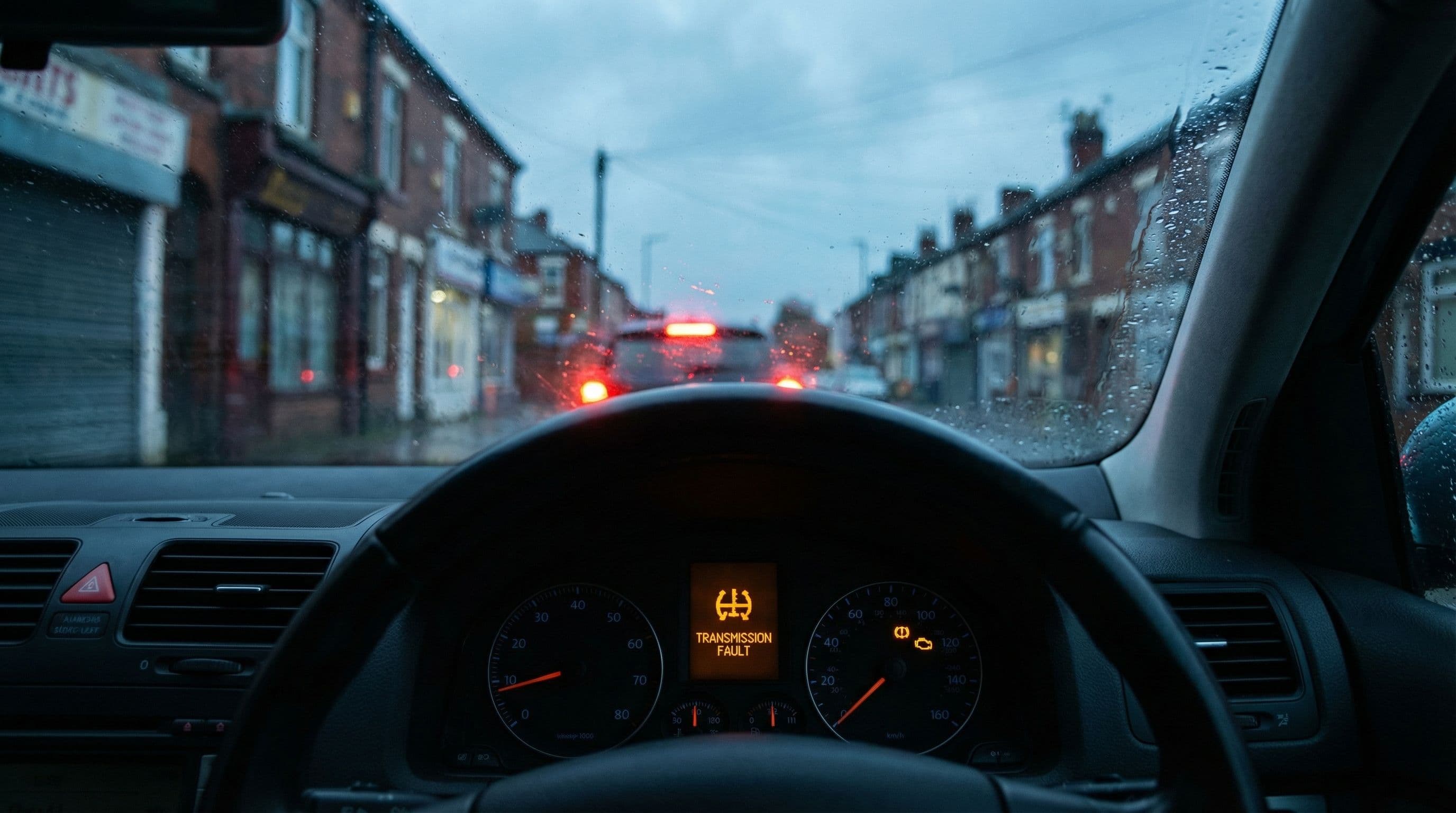
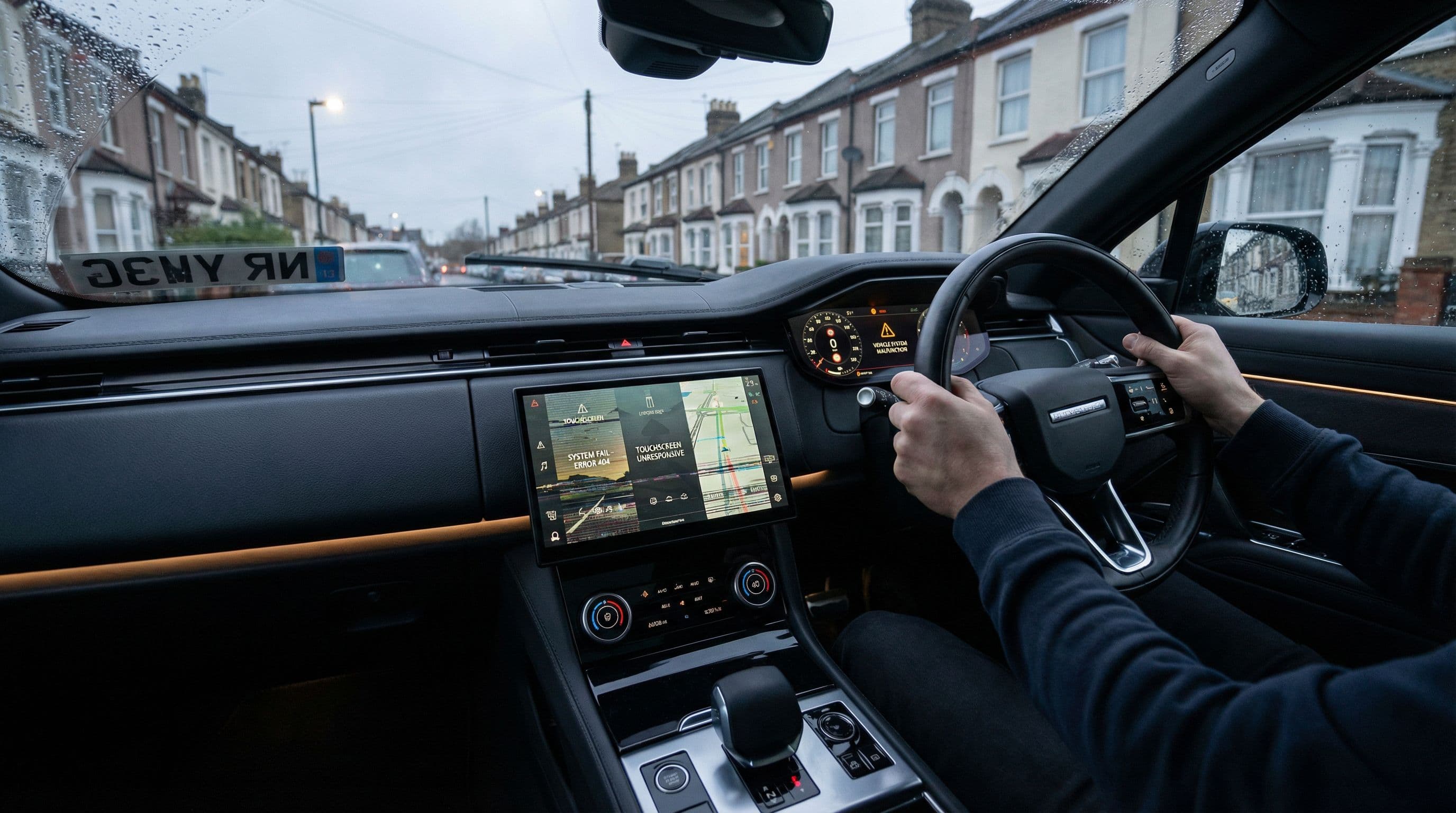
Other symptoms include harsh or delayed gear changes, refusal to select gears, warning messages like "Gearbox malfunction – workshop required," loss of power or the car refusing to move, and burning smells from the transmission.
Your Rights Under the Consumer Rights Act 2015
If you bought your DSG-equipped vehicle from a dealer, the Consumer Rights Act 2015 protects you.
Fitness for Purpose
Section 10 of the Act requires goods to be fit for purpose. A car with an automatic gearbox should change gears smoothly under normal driving conditions. A DSG that judders, hesitates, or requires special driving techniques to avoid malfunction is not fit for purpose.
Satisfactory Quality and Durability
Section 9 requires vehicles to be of satisfactory quality, including durability (Section 9(2)(c)). Volkswagen marketed the DSG as a premium automated transmission designed to last the vehicle's lifetime. Clutch or mechatronic failure at 30,000-60,000 miles is not durable.
The 30-Day Right to Reject
If the fault appears within 30 days of purchase, you can reject the vehicle for a full refund under Section 22. The dealer doesn't get to attempt a repair or software update. You're entitled to reject immediately.
The 6-Month Presumption
If the fault appears within 6 months, the law presumes it existed at the time of sale. The dealer must prove the gearbox was functioning correctly when you bought the car—which is nearly impossible with a progressive fault like DSG judder.
After one failed repair attempt (or if repair would be impractical), you can reject under Section 24 and receive a refund. The dealer may deduct something for use, but it must be fair.
After 6 Months
Claims are still possible after 6 months, but you'll need to prove the fault was present or developing at the time of sale. For DSG faults, an independent mechanic's report confirming the issue is consistent with known DSG defects—not caused by your driving or lack of maintenance—is usually sufficient.
Why "Software Update Will Fix It" Is Often a Lie
One of the most common dealer tactics is offering a software update. Sometimes it works. Often it doesn't.
If you're within 30 days of purchase, you're not required to accept a software update. You have the right to reject the vehicle outright under Section 22.
If you're outside 30 days and the dealer insists on a software update as a "repair," demand written confirmation that the update will permanently resolve the issue, a warranty on the repair work (minimum 6-12 months), and acknowledgment in writing that if the fault persists or recurs, you retain your right to reject under Section 24.
If they refuse to provide those assurances, proceed with rejection.
Finance Company Liability
If you bought the vehicle on HP, PCP, or a dealer-arranged loan, rejection automatically unwinds the finance agreement. You stop paying for a broken car.
You can also claim directly against the finance company. On HP or PCP, they bought the car and legally supplied it to you, so they're directly responsible for its quality under the Consumer Rights Act. With a dealer-arranged loan, Section 75 of the Consumer Credit Act 1974 gives you a claim against the lender instead. If the dealer stonewalls you, escalate immediately to the finance company—they're often more pragmatic.
How to Reject Your DSG Vehicle
Start with a formal written rejection letter. Don't rely on phone calls—everything must be documented.
Your letter should state you're rejecting the vehicle under the Consumer Rights Act 2015, cite Section 9 (satisfactory quality), Section 10 (fit for purpose), and the appropriate rejection section (Section 22 if within 30 days, Section 24 if later). Describe the DSG fault (juddering, warning lights, mechatronic failure), when it first appeared, and what symptoms you've experienced. Request a full refund and collection of the vehicle at the dealer's expense.
Evidence You Need
The strongest evidence is an independent mechanic's report confirming the DSG fault, stating it's consistent with known DQ200/DQ250 defects, and clarifying it's not caused by driver error or lack of maintenance.
Also include diagnostic fault codes (common ones are P17BF for mechatronic malfunction, P189C for clutch adaptation limit, P0730 for incorrect gear ratio, P0715/P0720 for input/output speed sensor faults), your full service history proving correct maintenance, and photos or videos of warning lights or the juddering behavior.
Reference VW technical service bulletins or recalls. Volkswagen has issued multiple DSG recalls over the years—evidence of systemic problems strengthens your case.
When the Dealer Refuses
Dealers often claim DSG juddering is "normal" or that you need to "adapt your driving style." That's rubbish. A properly functioning automatic gearbox should work under normal driving conditions.
If they refuse your rejection, escalate to the finance company if you bought on finance. File a Motor Ombudsman complaint if the dealer is a member. Report them to Trading Standards. And prepare a county court claim if necessary.
Most dealers settle before it reaches court.
Real Case: 2014 Audi A3 DSG
A customer bought a 2014 Audi A3 2.0 TDI DSG from an independent dealer in April 2024. The car had 62,000 miles and cost £9,800. Within 5 months, severe juddering developed, especially when pulling away. An Audi specialist diagnosed DQ200 clutch pack wear.
Because the fault appeared within 6 months, the law presumed it existed at sale. The customer sent a formal rejection letter citing Section 24, attached the specialist's report, and demanded a refund.
The dealer offered a repair. The customer agreed to one repair attempt under Section 23 but reserved the right to reject if it failed. The repair was attempted but the juddering returned within 3 weeks.
The customer immediately sent a second rejection letter citing failed repair under Section 24. The finance company (the car was on HP) accepted liability, collected the vehicle, and refunded £9,800 in full.
Total time from initial rejection to refund: 6 weeks.

Check Your Eligibility
Not sure if you have a valid claim? Pop your reg in and answer a few questions — it takes about 2 minutes and costs nothing. You'll get a straight verdict on where you stand under the Consumer Rights Act, and if your case holds up, we'll draft the letters that put it to your dealer for a flat £49.
Legal Disclaimer
This article provides general information about consumer rights under UK law. It is not legal advice and does not create a solicitor-client relationship. For complex cases or litigation, consult a qualified solicitor. The Consumer Rights Act 2015 applies to purchases from traders, not private sales.
Last updated: February 2025
Related topics