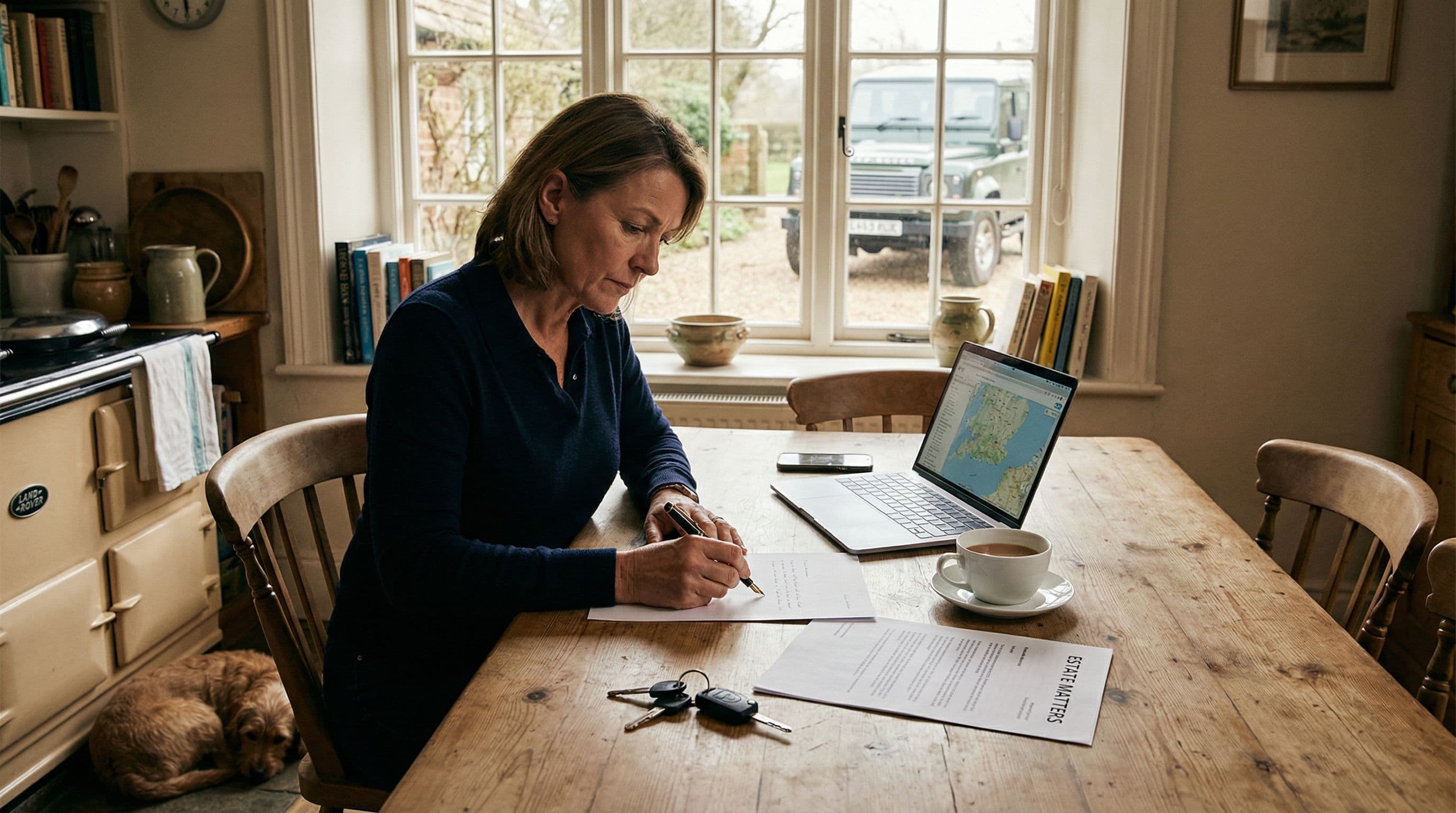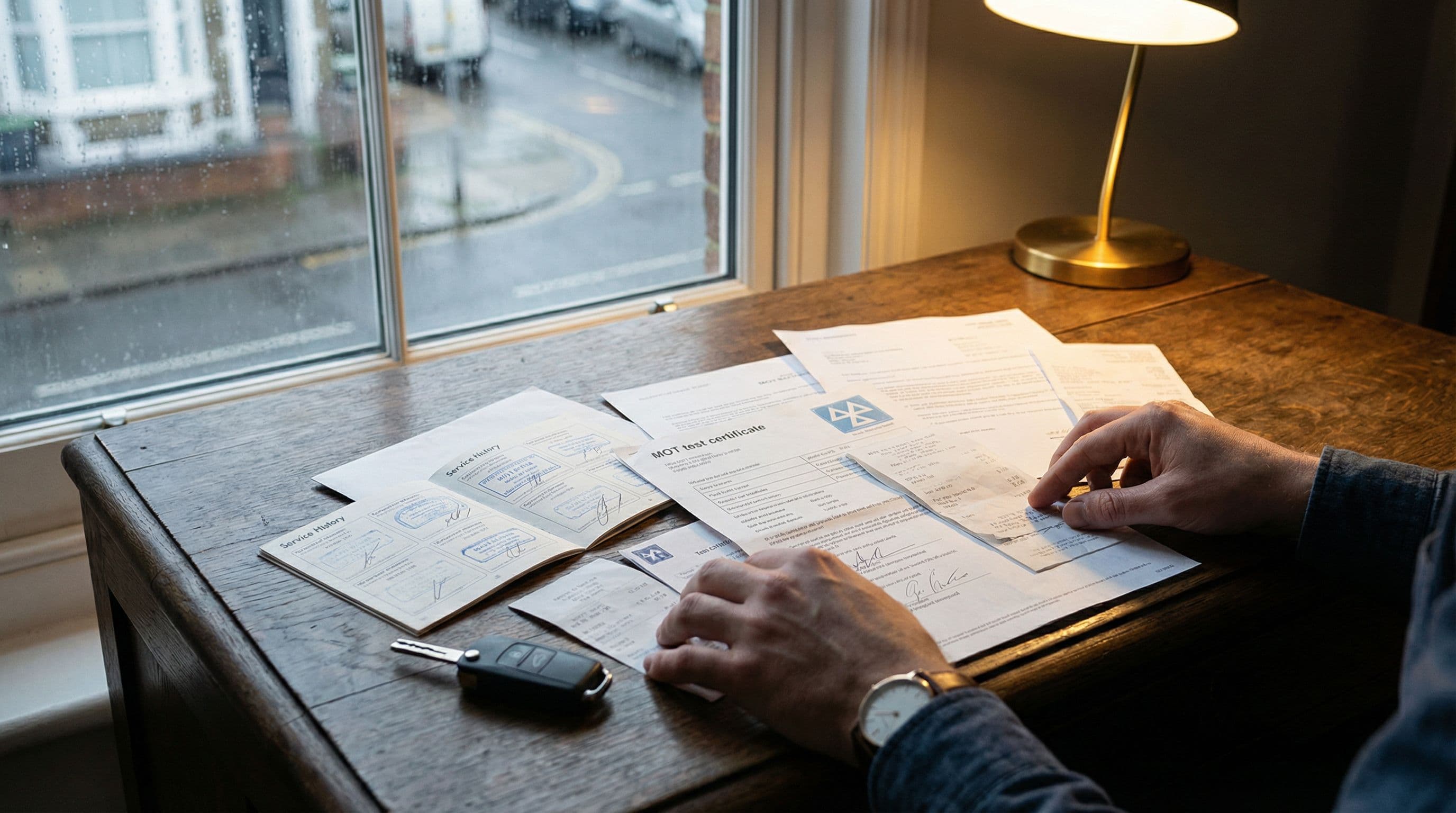

In car disputes, the party with better records usually wins. Whether you're dealing with an uncooperative dealer, going to the ombudsman, or heading to court – documentation is your most powerful weapon.
Why Records Matter
Memories Fade
What exactly did the salesperson promise? When did the fault first appear? After weeks of dispute, memories become unclear. Written records don't.
Dealers Deny
"We never said that." "You never reported that." "That's not what happened." Records prove what actually occurred.
Evidence Wins
Courts and ombudsmen decide based on evidence. Your word against theirs isn't enough – but documented evidence tips the balance.
What to Record From Day One
Before Purchase
Start documenting before you even buy:
Save the advert – screenshot the listing, save the full description, note the asking price, and capture any claimed features or specifications. If the listing disappears later, your screenshot is the only proof of what was advertised.
Record dealer communications by saving all emails, screenshotting text messages, and noting any phone calls with the date, time, who you spoke to, and what was said. Document the viewing too – what did they tell you, what questions did you ask, what answers did they give, and were any promises made? These notes may seem unnecessary at the time, but they become invaluable if a dispute arises.
At Purchase
Keep every document – the sales invoice, finance agreement, warranty documentation, vehicle documents (V5C, MOT, service book), handover checklist, and keys and spare key receipt.
Note the condition on collection day – photograph the car thoroughly, note the mileage, record any issues mentioned by the dealer, and get written confirmation of any promises they made. A simple email saying "just confirming you said X" creates a record they must dispute if inaccurate.
After Purchase
Maintain ongoing records including fuel receipts (which show mileage), any maintenance you carry out, when you first notice issues, and how problems develop over time.

See if you can reject your car. Free, in 2 minutes.
- Enter your reg
- Get your verdict
- Reject your faulty car
Free · No card · About 2 minutes
Not sure which window you are in? Put in your reg and find out, free.
Recording Faults
The Fault Diary
Keep a log of every problem:
| Date | Mileage | What Happened | Evidence |
|---|---|---|---|
| 15/1 | 45,230 | Engine warning light on | Photo |
| 18/1 | 45,415 | Juddering when accelerating | Video |
| 22/1 | 45,520 | Breakdown - wouldn't start | Recovery invoice |
Photograph everything – dashboard warning lights, physical damage or defects, fluid leaks, error messages, and any visible faults. Use video when appropriate to capture unusual noises, vibrations, intermittent problems, and the fault in action. Photos and videos are some of the strongest evidence you can gather.
Keep diagnostic reports – when you get the car checked, always get a written report, keep the fault codes printout, and ask for the mechanic's assessment in writing. An independent inspection report is often the single most important document in a dispute.
Recording Communications
The Golden Rule
Get it in writing, or put it in writing yourself.
Email Is Your Friend
Email creates automatic dated records, making it ideal for reporting faults, requesting action, confirming phone conversations, and making formal complaints.
After Phone Calls
If you speak to the dealer by phone:
Dear [Dealer],
Following our phone call today at [time] with [name], I am writing to confirm:
1. I reported that [the fault/issue] 2. You said that [their response] 3. You agreed to [any action promised] 4. The next step is [what's happening next]
Please let me know if I have misunderstood any of this.
Regards, [Your name]
This creates a record they must dispute if inaccurate.
Text messages should be screenshotted with date and time stamps visible, saved to a secure location, and backed up regularly. Letters require the same care – keep copies of everything you send, use recorded delivery for important correspondence, keep proof of posting, and file responses alongside your copies.
Organising Your Records
Create a Case File
For a physical file, use a folder with dividers in chronological order, keeping copies rather than originals, with an index at the front. For a digital file, create a dedicated folder with a clear naming convention (such as Date_Description.pdf), back everything up to cloud storage, and keep both originals and copies.
Structure your file into logical sections: purchase documents (invoice, finance agreement, warranty), pre-sale communications (adverts, emails, promises), fault evidence (photos, videos, diary entries), diagnostic and inspection reports, dealer communications (complaint letters and responses), and any other evidence such as MOT history and research.
Create a Timeline
Write a chronological summary:
12/12/24 - Purchased vehicle for £8,500
15/12/24 - Noticed engine warning light
16/12/24 - Reported to dealer (email ref: A)
18/12/24 - Dealer said "just needs a regas" (email ref: B)
22/12/24 - Light returned, car juddering
23/12/24 - Arranged independent inspection
27/12/24 - Inspection confirmed gearbox fault (report: Doc 5)
28/12/24 - Sent rejection letter (letter ref: C)
...
What to Request From Others
From the dealer, request a copy of their pre-sale inspection, any fault codes they cleared, service history they hold, and original purchase documentation if you've lost yours. They should provide these under GDPR if they hold personal data about you.
From the finance company, request a copy of the credit agreement, payment history, and any notes on your account. From garages and mechanics, always get a written diagnosis, fault code printouts, repair estimates, and expert opinions in writing.
Preparing for Dispute Resolution
For the Motor Ombudsman, you'll need a clear summary of your complaint, a chronological timeline, numbered evidence documents, copies of all correspondence, and a statement of what resolution you want.
For small claims court, you'll need particulars of claim (what happened and why you're owed money), a paginated and indexed bundle of evidence, witness statements if applicable, and key documents highlighted.
Presentation matters regardless of the route. Use clear headings, number all pages, create an index, cross-reference documents (for example, "see Document 5"), and highlight key passages. A well-organised file makes the adjudicator's job easier – and makes your case look more credible.
Common Mistakes to Avoid
Don't Rely on Memory
Write things down immediately. "I'll remember" – you won't.
Don't Trust Verbal Promises
If they won't put it in writing, assume they won't honour it.
Don't Throw Anything Away
That random receipt or text might become crucial evidence.
Don't Send Originals
Always send copies. Keep originals safe.
Don't Let Gaps Develop
If they don't respond, chase and record the chase.
Technology Helps
Back up all digital records to cloud storage – Google Drive, Dropbox, iCloud, or OneDrive all work well. Scan paper documents immediately using apps like Adobe Scan, Microsoft Lens, or the built-in Notes app on iOS. Create an email folder for all dealer-related correspondence and never delete anything. For phone calls, take detailed notes during and immediately after each conversation – or if you prefer, inform the other party and record the call.
The Bottom Line
Start documenting from before purchase – save adverts and note promises. Keep a fault diary with dates, mileage, symptoms, and evidence for every issue. Get everything in writing, using email to confirm phone calls so there's always a dated record. Organise your file chronologically with an index, back it up securely, and never send originals – always copies. Create a clear timeline that summarises events, because this single document helps adjudicators, ombudsmen, and judges understand your case quickly. The best-documented party usually wins, and the time you invest in keeping proper records will pay for itself many times over.
Building your case against a dealer? Check your car – free, and we'll help you organise your evidence and present your claim.
Related topics