
Modern cars are computers on wheels. When the software fails – whether it's the infotainment system, driver assistance features, or the car's core systems – it can be just as frustrating as any mechanical fault. And yes, you have consumer rights.

See if you can reject your car. Free, in 2 minutes.
- Enter your reg
- Get your verdict
- Reject your faulty car
Free · No card · About 2 minutes
Types of Software Problems
Infotainment System Issues
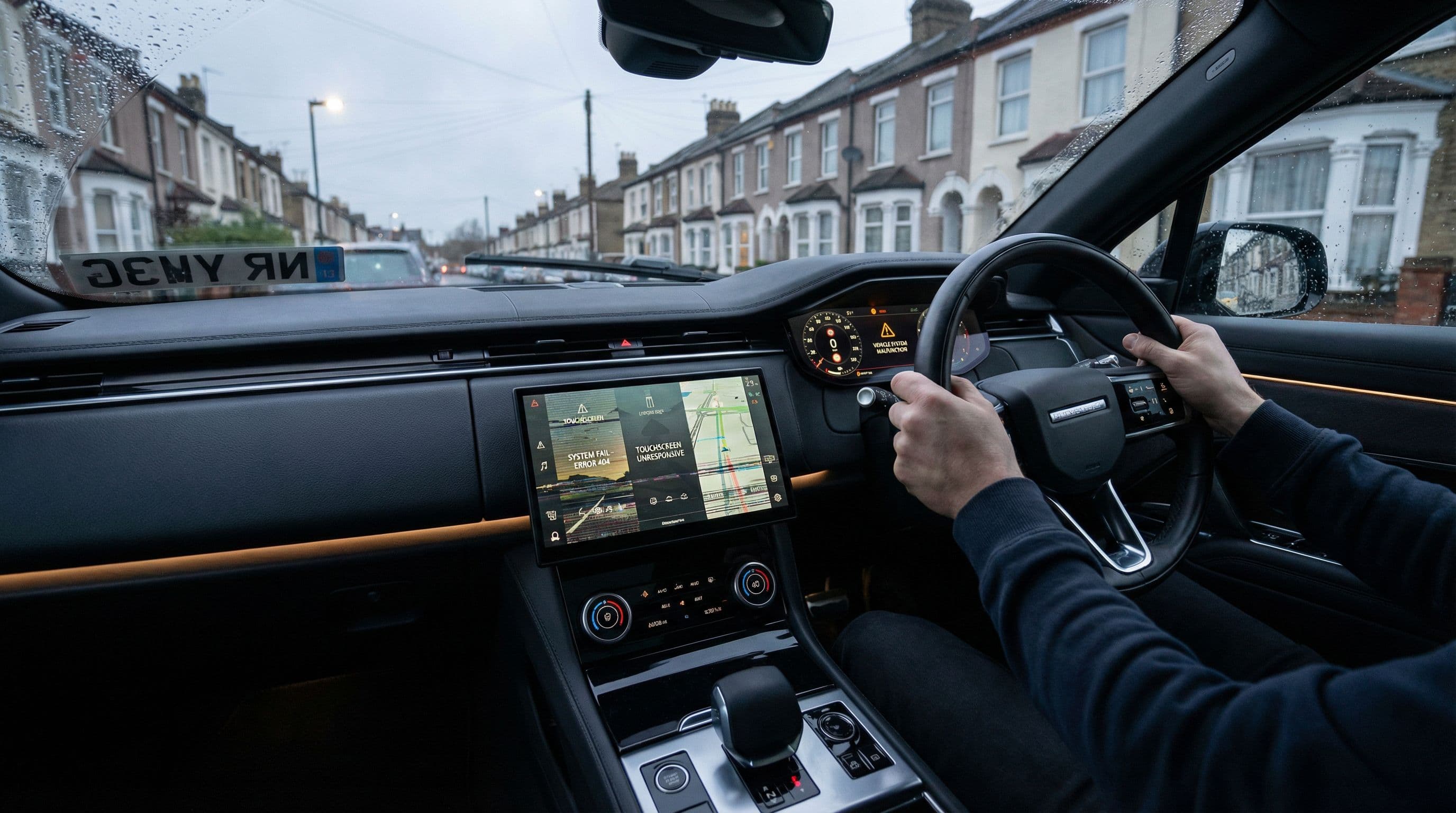
The most common software complaints involve the infotainment system – screens freezing or restarting randomly, Bluetooth refusing to pair, navigation crashing mid-route, Apple CarPlay or Android Auto not connecting, audio cutting out, or the touchscreen becoming completely unresponsive.
Driver Assistance Faults
Driver assistance technology can also fail. Adaptive cruise control may throw errors and disable itself, lane keeping assistance might stop working, parking sensors can malfunction, reversing cameras may show distorted or blank images, and blind spot monitoring can give false alerts or fail entirely.
Core Vehicle Systems
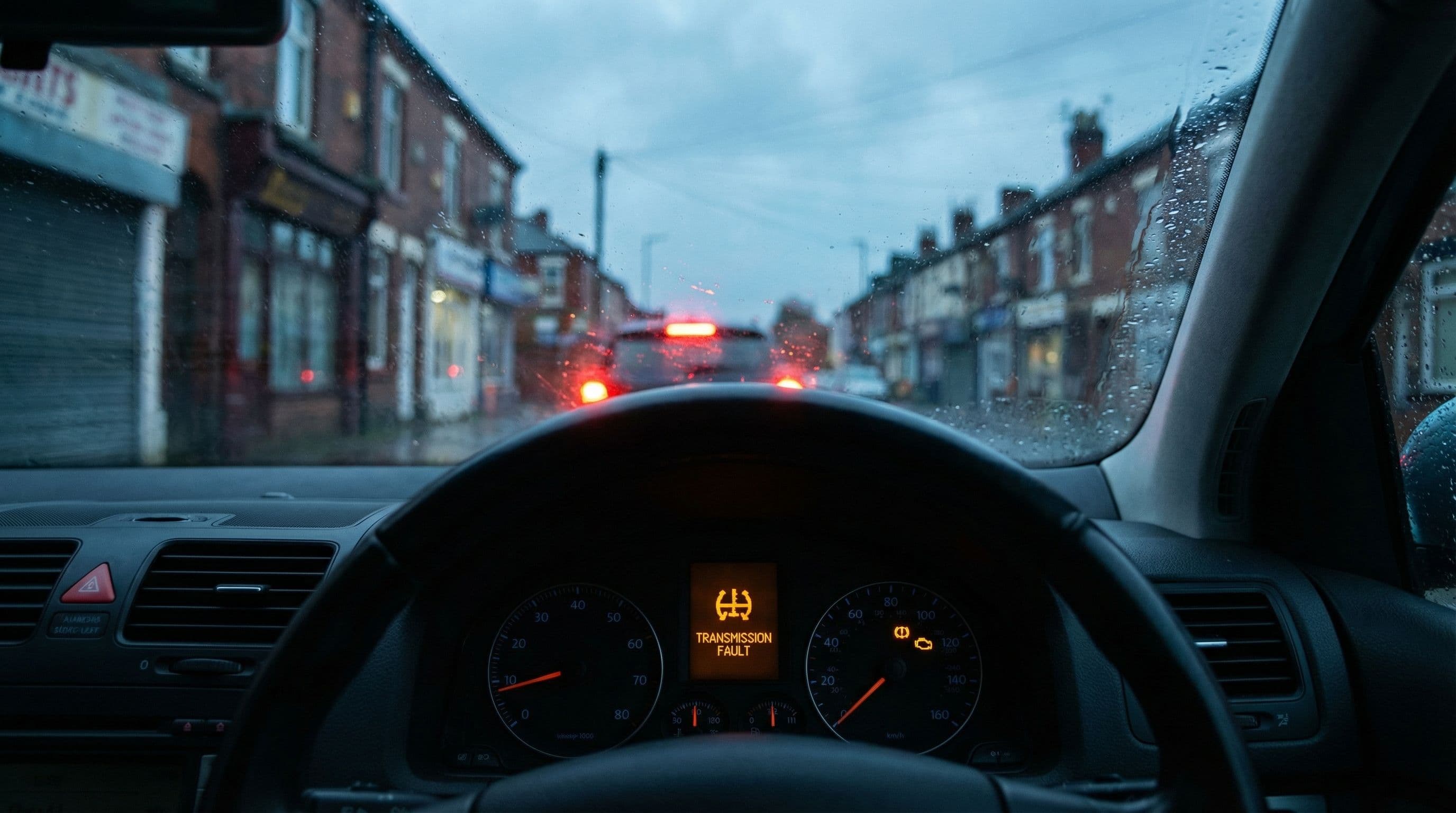
More seriously, software problems can affect the car's core systems. Dashboard displays may glitch or show incorrect information, warning lights can illuminate due to software bugs rather than actual mechanical issues, climate control may stop responding, the start/stop system might behave erratically, and engine management problems can leave the car in limp mode.
Over-the-Air (OTA) Update Issues
OTA updates bring their own category of problems. Updates can fail mid-installation leaving the car in an unstable state, introduce new bugs that weren't there before, remove features you previously had access to, prevent the car from starting altogether, or cause noticeably worse performance than before.
Not sure which window you are in? Put in your reg and find out, free.
Your Consumer Rights
Software Is Part of the Car
Under the Consumer Rights Act 2015, the car includes all its systems – software as well as hardware. The car must be of satisfactory quality including software functionality, fit for purpose including any advertised tech features, and as described – if specific features were promised, they must work.
When Software Faults Justify Rejection
Strong grounds for rejection include safety features not working (adaptive cruise control, collision warning systems), core functionality being affected (dashboard, starting systems), persistent issues that remain despite repair attempts, and features that were selling points failing to work reliably.
Weaker grounds include minor inconveniences like occasional glitches that resolve themselves, problems with features you don't actually use, or issues that are fixed by a simple system reset.
"It's Just Software" Is Not a Defence
Dealers sometimes dismiss software issues as minor, but this argument doesn't hold up. Software controls critical car functions including braking, acceleration, and safety systems. You paid for the advertised features, and unreliable technology reduces the car's value. A consistently frustrating user experience is a quality issue just as much as a rattling dashboard or a leaking seal.
Software Updates as "Repairs"
When Updates Help
If a software update fixes the problem, doesn't take too long to be released, doesn't introduce new issues, and solves the fault permanently, it may count as a successful repair under the Consumer Rights Act.
When Updates Don't Count as Resolution
An update doesn't resolve your claim if the problem returns after installation, the update introduces new problems, the update removes features you paid for, or it takes unreasonably long to be released. A failed software fix is like any other failed repair – it strengthens your rejection rights.
OTA Updates Gone Wrong
Your Car Gets Worse After an Update
If an over-the-air update introduces new faults, removes features you previously had, degrades performance, or causes system instability, you may have a claim against the manufacturer or dealer. The car is no longer of satisfactory quality.
Who's Responsible?
The dealer is responsible for selling you a car that's now faulty under the Consumer Rights Act. The manufacturer may be liable for the update itself under product liability. And if you bought on PCP or HP, the finance company is directly responsible too, because they legally supplied the car. In practice, start with the dealer – they sold you a working car that no longer works properly.
Common Manufacturer Responses
"We're Working on a Fix"
If they're developing an update, get a timeline in writing and consider whether the wait is "reasonable." If the fix takes too long, you may be entitled to reject the car entirely. For significant issues that affect your ability to use the car safely or comfortably, interim solutions (such as a courtesy car) should be offered.
"It's a Known Issue"
A "known issue" doesn't excuse the fault. You paid for a working car, known problems should have been disclosed before purchase, and the fact that the manufacturer knows about it actually suggests a design flaw – which strengthens your case.
"That's Just How It Works"
If the dealer or manufacturer claims buggy behaviour is normal, do your own research. Check owner forums to see whether other owners experience the same problem. Compare to similar cars in the same class to see whether this is truly standard. And review the marketing materials – if they promised a seamless experience and you're getting constant crashes, the car isn't as described.
Evidence for Software Faults
Document the Problems
Video the glitches whenever they occur – capture screens freezing, error messages appearing, and systems failing. Screenshot error messages by photographing the screen with your phone. Log every occurrence with dates, times, and the circumstances (what you were doing when it happened). And note any patterns – does it happen in certain weather, after a certain driving time, or in specific conditions? See our guide on gathering evidence for what else to collect.
Get Dealer Documentation
When reporting to the dealer, get written confirmation that you've reported the issue, ask for their diagnosis in writing, and request job sheets from any software updates or work they carry out. Keep all records carefully.
Check Forums and Reviews
Evidence that many owners experience the same issue supports your case that it's a systemic fault, not user error.
What to Write to the Dealer

Tesla and Similar Tech-Forward Cars
OTA Updates Are Central
For Teslas and similar vehicles, software is constantly updated over-the-air. Issues can include updates that fundamentally change how features work, features being removed by an update you didn't ask for, new features promised at purchase but never delivered, and problems with Autopilot or FSD capabilities.
Unique Considerations
These tech-forward cars present unusual situations. Specifications can change after purchase through software updates, marketing promises about future features may never materialise, remote diagnostics mean fewer traditional dealer visits, and the entire service model differs from traditional manufacturers.
Consumer Rights Still Apply
Despite the different business model, the same law applies. The car must be of satisfactory quality at the point of sale, features promised in the sale must work, and you have exactly the same legal rights as you would with any other car. If a software update degrades your car after purchase, the dealer remains responsible – they sold you a car that should maintain its functionality.
The Bottom Line
Software faults are real faults – not minor inconveniences to be tolerated. The Consumer Rights Act covers the entire car including its technology, so the whole vehicle must be of satisfactory quality. Failed software updates count as failed repairs, which strengthens your case for rejection. Document everything by videoing glitches and screenshotting errors as they happen. If an OTA update makes things worse, that creates a new claim even if the car was fine before. The dealer is your first point of contact because they sold you the car, and any features they advertised must actually work – otherwise it's misrepresentation. If you bought on finance, write to the finance company at the same time.
Technology problems with your modern car? Check your car – free, and we understand software and hardware faults alike.
Related topics