
FaultyCar.co.uk may earn a commission if you buy through links on this page. Vehicle history reports are provided and sold by carVertical. This doesn’t affect the price you pay.
Car supermarkets sell thousands of used cars every month from massive forecourts, often at competitive prices that undercut traditional dealers. Their scale can make them seem intimidating when things go wrong – but you have exactly the same consumer rights as with any other dealer.
What Are Car Supermarkets?
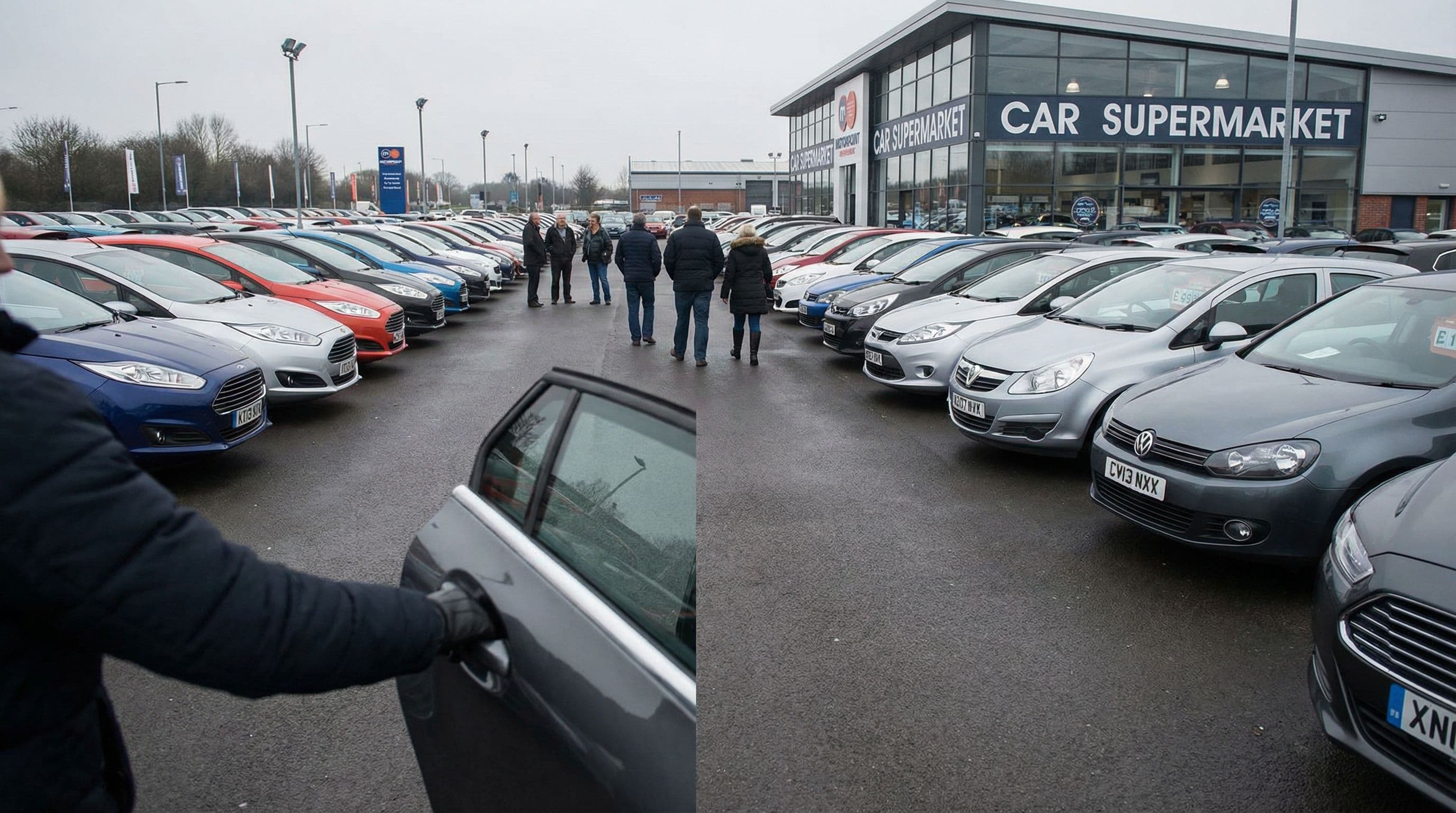
Car supermarkets are large-scale used car retailers that hold hundreds or thousands of cars in stock, typically operating from huge sites (often across multiple locations). They sell at competitive prices because of the volume they shift, and most offer their own finance packages and warranties. The trade-off is that sales are processed quickly and the experience can feel more transactional than a traditional dealer.
The biggest names include Cargiant (the largest used car dealer in Europe, based in White City, London), Motorpoint (a nearly-new car specialist with sites across the UK), Imperial Car Supermarkets, and Trade Centre UK.
A note on Big Motoring World: Big Motoring World, previously one of the UK's largest car supermarkets, went into administration in 2024. If you bought a car from them before their collapse and have an unresolved complaint, your situation is more complex – see our guide on what happens when a dealer goes bust. If you used finance to buy the car, you may still be able to claim against the finance company directly.
Not sure which window you are in? Put in your reg and find out, free.
Your Consumer Rights
Same Rights as Anywhere Else
The Consumer Rights Act 2015 applies equally to car supermarkets. You have the same 30-day right to reject for any fault, the same requirement for satisfactory quality, fitness for purpose, and matching description. A car supermarket's size and volume don't reduce your rights in any way.
Why They Can Feel Harder to Deal With
In practice, complaining to a car supermarket often feels harder than complaining to a local dealer – even though the legal position is identical. Customer service can feel impersonal when you're one of hundreds of complaints they handle each week. You may speak to a different person every time you call, which means explaining your issue from scratch repeatedly. These businesses have established processes designed for efficiency, and those processes tend to resist exceptions.
None of that changes the law. These are operational frustrations, not legal barriers, and understanding the difference is key to getting a result.
Common Problems with Car Supermarkets
Pre-Sale Inspection Quality
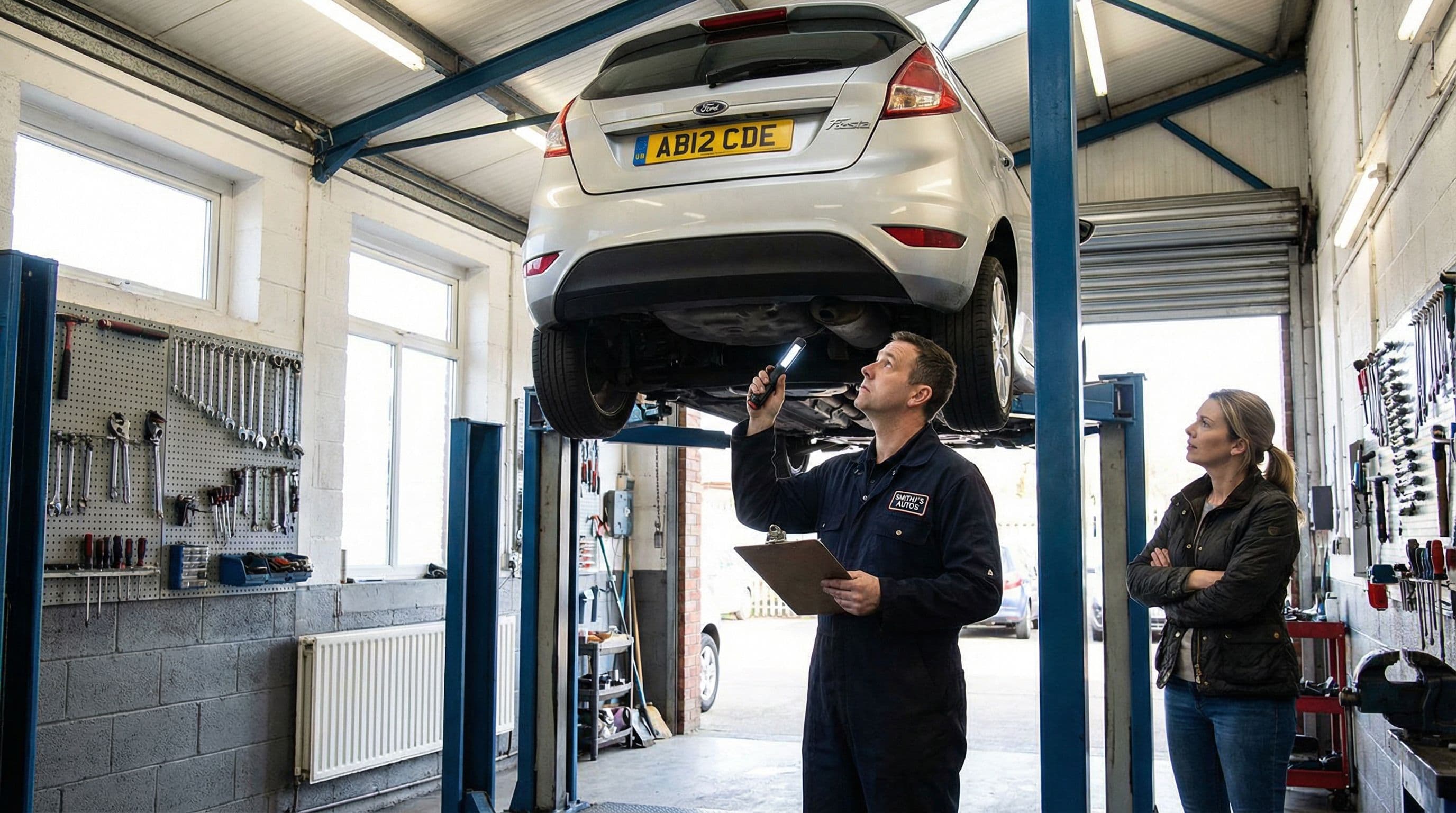
The volume that makes car supermarkets competitive also creates their biggest weakness. When you're processing hundreds of cars a week, inspections can be less thorough than at a smaller dealer where each car gets individual attention. There's commercial pressure to get stock onto the forecourt quickly, and some issues inevitably get missed. This is one reason why getting your own independent inspection after purchase can be so valuable – don't assume the supermarket's prep has caught everything.
Documentation and Post-Sale Issues
Incomplete service history, missing spare keys, and vagueness about previous use (such as ex-rental or fleet cars) are common complaints. Post-sale support can also be frustrating – large call centres mean long hold times, different staff members each time, and the feeling of being passed between departments without anyone taking ownership of your case.
Repair Quality
When car supermarkets do agree to repair, watch the quality carefully. High-volume operations may use the cheapest repair options available, apply "band-aid" fixes rather than addressing the root cause, and rush repairs to close cases quickly. If a repair doesn't properly resolve the problem, it counts as a failed repair – and a failed repair strengthens your position to reject.
Effective Complaint Strategies
Put Everything in Writing
Phone calls get lost in large organisations. The person you speak to today may be off tomorrow, and there's no record of what was promised. Always use their official complaints email address and keep copies of every communication. Reference previous emails by date and content so they can't claim ignorance. A clear paper trail is your most powerful tool when dealing with a car supermarket – it's also exactly what a court or the Motor Ombudsman will want to see if things escalate.
Use Formal Language
Write as if you're preparing for court, because you might need to. A formal tone signals that you're serious and know your rights. Something like:
FORMAL COMPLAINT
When They Offer Repairs Instead of Refund
Car supermarkets will almost always push for a repair rather than a refund – it's cheaper for them and keeps their return rates down. Understanding your legal position here is critical.
Within 30 Days
If you're within 30 days of purchase, you do not have to accept a repair. This is your short-term right to reject under Section 22 of the Consumer Rights Act. If they pressure you to accept a repair, decline firmly in writing. Make it explicit that you're rejecting the vehicle, not requesting a repair – the wording matters because accepting a repair can weaken your rejection claim.
After 30 Days
Beyond 30 days, you must allow the dealer one opportunity to repair. However, that repair must be completed within a "reasonable time" and without "significant inconvenience" to you. If the repair fails – whether it doesn't fix the problem, introduces new issues, or takes unreasonably long – you regain the right to reject.
Be especially watchful for cheap, superficial fixes that don't address the underlying problem. A car supermarket's workshop may patch things quickly to close your case, but if the same fault recurs within weeks, that's a failed repair and your rejection rights are back on the table.
Escalation Options
If the car supermarket's own complaints process isn't getting results, you have several external routes.
The Motor Ombudsman is worth checking first – many large dealers are members, and the Ombudsman can make binding decisions. Check the dealer's accreditation on the Motor Ombudsman website and file a formal complaint if they're a member.
Trading Standards should be involved if you suspect repeated patterns of poor behaviour, fraud, safety issues, or unfair trading practices. They can investigate and take enforcement action, and a Trading Standards complaint on file strengthens your case elsewhere.
Your finance company is one of the most powerful tools available. If you bought on PCP or HP, the finance company legally supplied the car and is directly responsible for its quality under the Consumer Rights Act. You can claim directly against them, and they have far more leverage over the dealer than you do as an individual. If you paid a deposit by credit card, Section 75 may also give you a claim against the card issuer. For PCP specifically or HP finance, the process is slightly different – follow the linked guides.
Small claims court is accessible for claims up to £10,000 without a solicitor. Court fees are relatively low, and car supermarkets frequently settle before the hearing rather than send their legal team to court for a few thousand pounds. Even filing the claim often prompts a resolution.
Reviews and media can also be effective. Large dealers care about their reputation on Google, Trustpilot, and social media. Honest, factual reviews about your experience are perfectly legitimate – just stick strictly to facts, because defamation works both ways.

They're Ignoring You: What Next
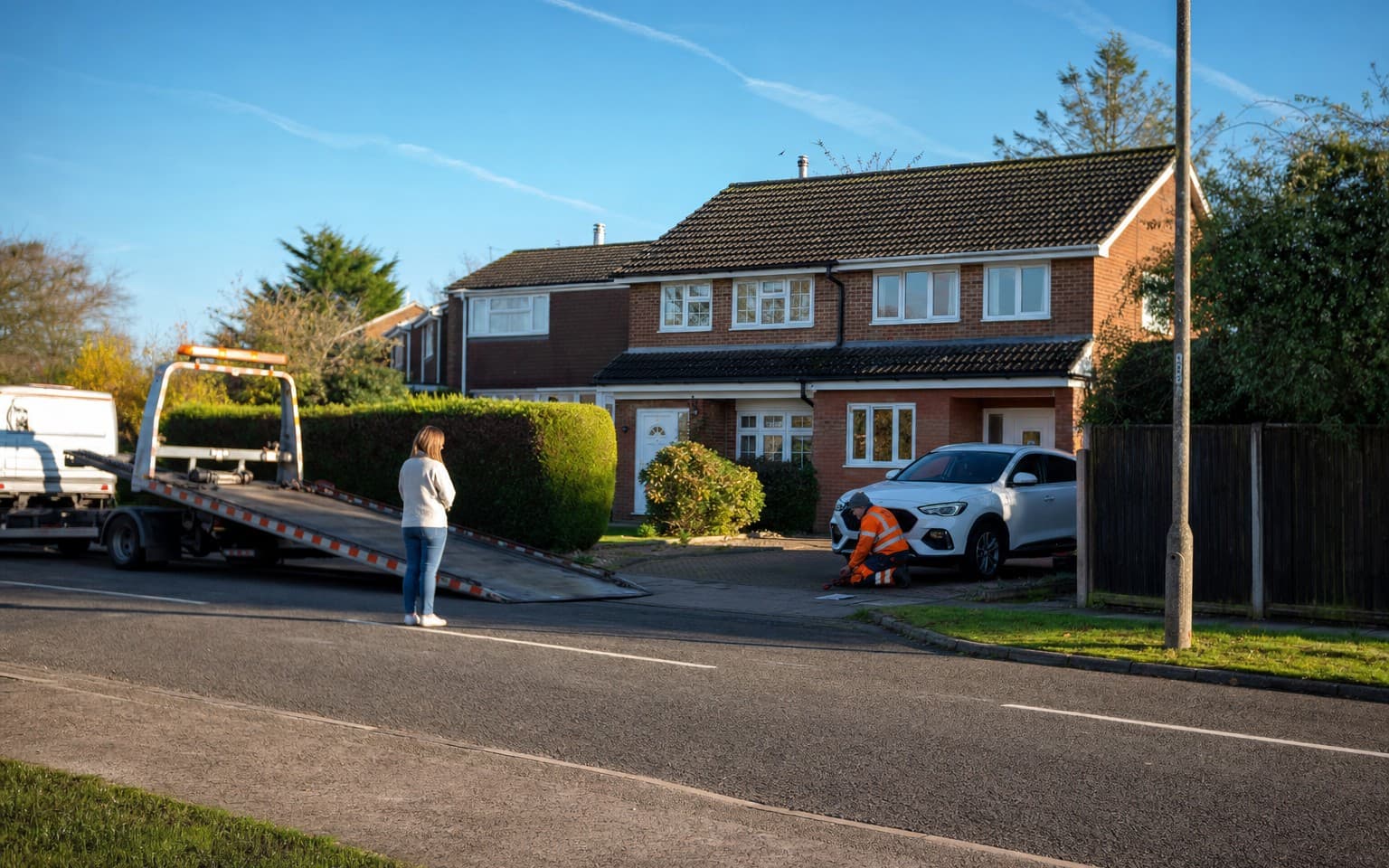
If they've gone silent, send a formal letter before action by recorded delivery – this gives you proof they received it. Set a final deadline of 14 days, and then follow through. File with the Motor Ombudsman, issue a court claim, or involve your finance company.
Large car supermarkets have legal and compliance teams whose job is to assess risk. Once you demonstrate you're genuinely pursuing this – an actual court claim filed, an Ombudsman complaint submitted, a finance company investigation opened – their tone often changes remarkably quickly. They deal with thousands of sales; you're dealing with one car. That gives you the focus and motivation they lack.
Problems with a car supermarket purchase? Check your car – free, and we'll help you navigate their complaints process.
Related topics