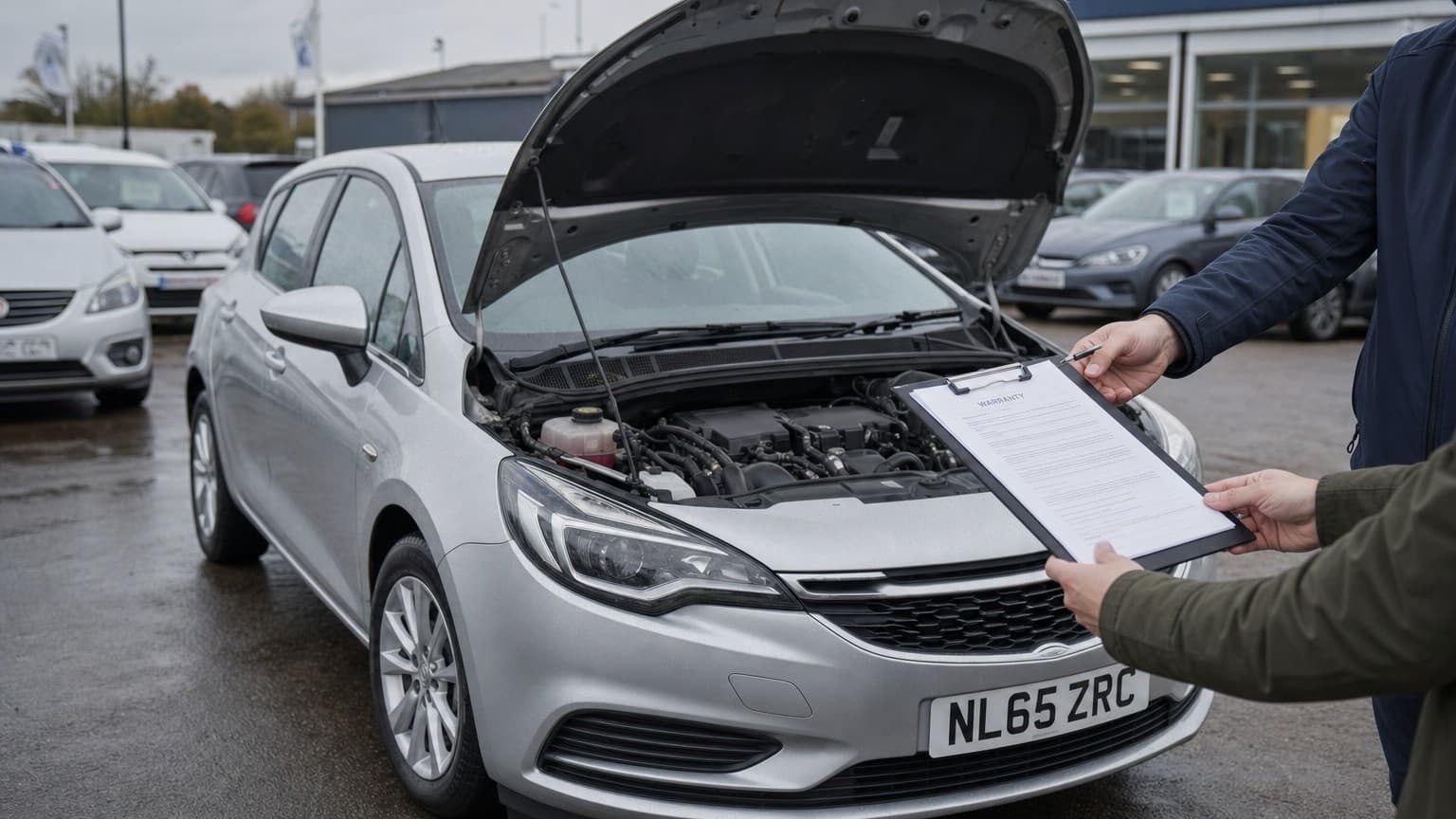

Personal Contract Purchase (PCP) is the most popular way to finance a car in the UK. But what happens when your PCP car turns out to be faulty? Here's everything you need to know about rejecting a car on PCP finance. For how this fits with HP, loans and Section 75, see our guide to rejecting a car on finance.
Understanding Your Position on PCP
When you buy a car on PCP, you don't own it – the finance company does. You're essentially paying for the depreciation, with an option to buy at the end.
This actually gives you extra protection – because the finance company bought the car and supplied it to you, they are directly responsible for its quality under the Consumer Rights Act 2015. And because they have ongoing relationships with dealers, they can apply real pressure to get things resolved.
Your Rights When Rejecting a PCP Car
Within 30 Days
You have an automatic right to reject the car for a full refund if it's faulty. You don't have to accept a repair, the finance agreement should be cancelled, all payments you've made should be refunded, and you shouldn't face any penalties.
After 30 Days But Within 6 Months
The dealer can attempt one repair. If that fails (or they refuse), you can then reject. You're entitled to a full refund (possibly minus a small deduction for use) and cancellation of the finance agreement.
After 6 Months
You can still reject if you can prove the fault existed at purchase. The process is the same, but you'll need evidence.

See if you can reject your car. Free, in 2 minutes.
- Enter your reg
- Get your verdict
- Reject your faulty car
Free · No card · About 2 minutes
Not sure which window you are in? Put in your reg and find out, free.
Who Do You Contact: Dealer or Finance Company?
Contact both. Here's why:
The dealer handled the sale and may resolve it quickest. The finance company legally supplied the car, so your rejection rights run against them – they can pressure the dealer, can't hide behind them if things stall, and are regulated by the FCA so they take complaints seriously.
Write to both at the same time. This shows you know your rights and aren't going to give up easily.
Step-by-Step: Rejecting Your PCP Car
Step 1: Document the Fault
Gather photographs and videos, diagnostic reports if available, the dates when the fault first appeared, and details of how it affects your use of the car. See our guide on evidence for rejection.
Step 2: Write to the Dealer
Send a formal rejection letter including your details and the car's details, the finance agreement reference, a description of the fault, a statement that you're rejecting under the Consumer Rights Act 2015, a request for full refund and cancellation of the agreement, and a 14-day deadline to respond.
Step 3: Write to the Finance Company
Send a similar letter, making clear that as owner and supplier of the car they are directly responsible for the breach under the Consumer Rights Act 2015, citing Section 56 of the Consumer Credit Act 1974 if the dealer misled you (the dealer negotiated as their agent), and stating that you expect them to cancel the agreement and refund your payments.
Step 4: Stop Driving (If Possible)
If the car is safe and roadworthy, you can continue using it while the dispute is resolved. But if it's dangerous or you're able to avoid using it, doing so may strengthen your position.
You DON'T have to return the car until you've received your refund.
Step 5: Keep Paying (Unfortunately)
This is crucial: keep making your PCP payments while the dispute is ongoing. Stopping payments could damage your credit score, give the finance company grounds to terminate the agreement, and weaken your position. You can claim these payments back as part of your refund.
Step 6: Escalate If Needed
If neither party resolves it, complain formally to both dealer and finance company. Contact the Motor Ombudsman for dealer complaints and the Financial Ombudsman for finance company complaints. Consider small claims court as a last resort.
What Happens to Your Finance Agreement?
When you successfully reject a PCP car:
The Agreement Is Cancelled
The finance company should terminate the agreement as if it never existed.
You Get Your Payments Back
All monthly payments you've made should be refunded – the deposit you paid, all monthly instalments, any interest you've paid, and fees related to the agreement.
You Don't Pay the Balloon
The final balloon payment never becomes due – you're not buying the car, you're rejecting it. (If you're weighing up what the agreement was really costing you, our finance calculator breaks down PCP totals including the balloon.)
Your Credit Score Should Be Unaffected
A properly handled rejection shouldn't impact your credit file. The agreement should be recorded as cancelled/settled, not defaulted.
What About the Deposit?
Cash Deposit to Dealer
If you paid a cash deposit directly to the dealer, this should be refunded by the dealer.
Part-Exchange Deposit
If your deposit was a part-exchange vehicle, you're entitled to its value back. If the dealer has already sold it, they owe you the value agreed at the time. This can complicate things, so make sure you documented the agreed part-exchange value clearly.
Deposit Paid on Credit Card
If you paid the deposit on a credit card, this gives you Section 75 protection. You can claim through your credit card company if needed, and the credit card company is jointly liable for the whole purchase – not just the deposit amount.
PCP-Specific Complications
Excess Mileage
Don't worry about this when rejecting. Excess mileage charges only apply if you return the car at the end of a normal PCP agreement. A rejection for faults is different.
Condition Charges
Same principle – condition charges are for voluntary returns, not fault-based rejections.
Manufacturer Warranty
Even if there's a warranty, you don't have to claim through it. Your Consumer Rights Act rights exist alongside any warranty and are often stronger.
Can I Voluntarily Terminate Instead?
Voluntary termination (VT) is different from rejection:
| Aspect | Rejection | Voluntary Termination |
|---|---|---|
| Grounds | Faulty car | Any reason (once 50% paid) |
| Refund | Yes – full payments back | No – you just walk away |
| Condition | Car can be faulty | Car must be in good condition |
| Excess mileage | Not charged | May be charged |
Rejection is better if you have a fault because you get your money back. VT is for when you just want out but can't prove a fault. There are five ways to give a car back to the finance company in all, and which one applies depends on why you want out.

Sample PCP Rejection Letter
The Bottom Line
PCP gives you strong rights against both the dealer and the finance company. Contact both parties simultaneously and keep paying your instalments while the dispute is ongoing – you'll get all payments back on a successful rejection, including your deposit. Don't worry about excess mileage or condition charges because these don't apply to fault-based rejections. If the finance company refuses to help, the Financial Ombudsman is free and has real power to order compensation. Rejection is always better than voluntary termination when you have a genuine fault, because you get your money back rather than just walking away. And separately, if your PCP was arranged between 2007 and 2024, you may also be owed compensation for finance mis-selling – that's a different claim you can pursue alongside rejection.
Got a faulty PCP car? Check your car — it's free. We draft letters for both the dealer and the finance company.
Related topics