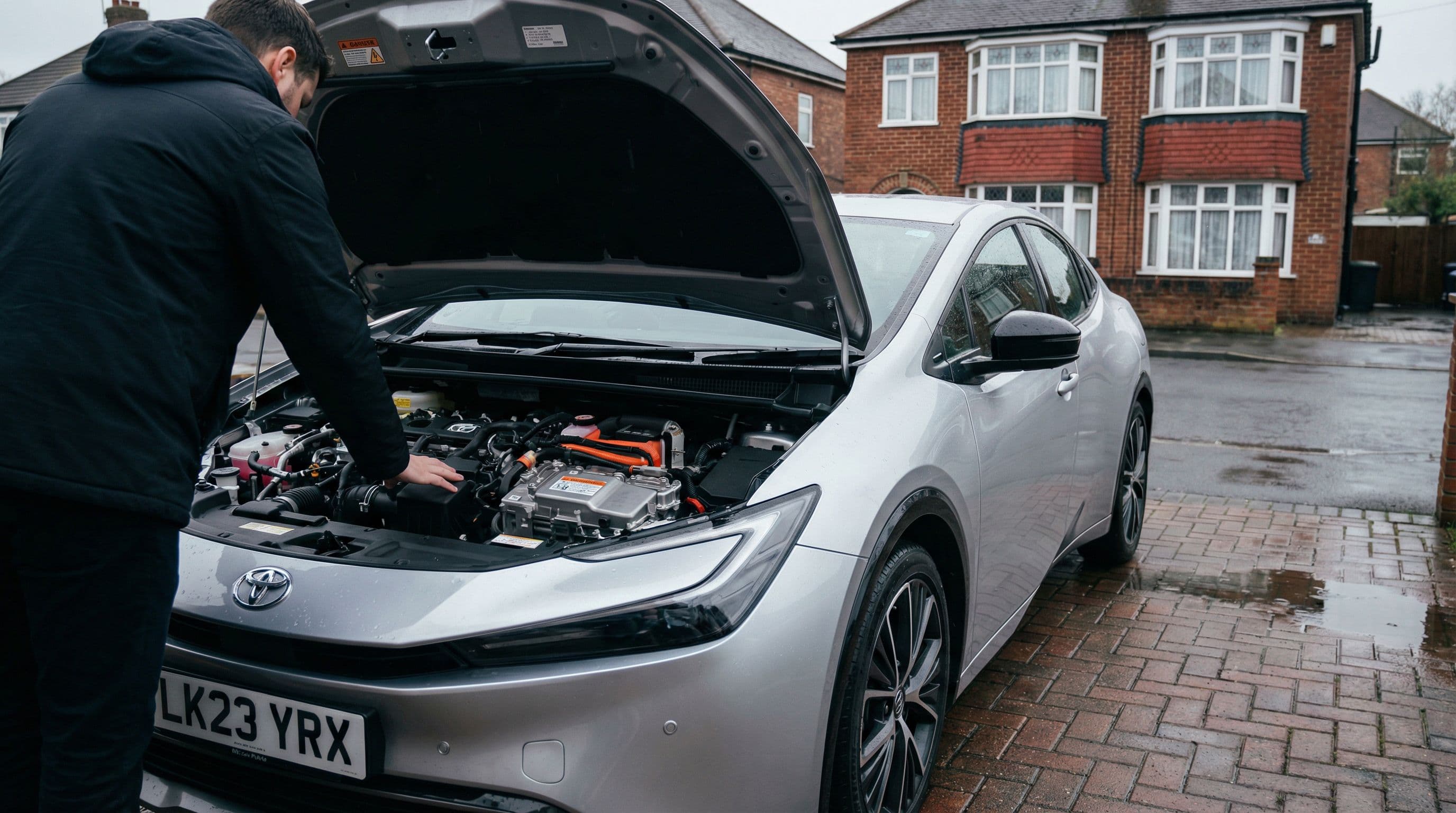

Hybrid cars combine petrol/diesel engines with electric motors and batteries. When things go wrong, the complexity can make faults harder to diagnose – but your consumer rights remain the same.
Types of Hybrid Systems
Mild hybrids (MHEV) have a small battery that assists the petrol engine but can't drive on electric power alone – the battery charges from driving and provides a boost during acceleration.
Full hybrids (HEV) like the Toyota Prius and Lexus hybrids can drive short distances on electric power alone. The battery charges from driving and regenerative braking, switching seamlessly between petrol and electric.
Plug-in hybrids (PHEV) such as the BMW 330e and Mitsubishi Outlander PHEV have a larger battery providing 20-50 miles of electric range. They must be plugged in to fully charge and offer the longest electric-only driving of any hybrid type.
Common Hybrid Faults
Battery problems are the most common hybrid-specific fault. Symptoms include reduced electric range, hybrid system warning lights, inability to charge properly, power loss during driving, and in the worst cases, complete battery failure. These can be caused by premature battery degradation (some degradation is normal over time, but early failure is a defect), cell failure within the battery pack, battery management system (BMS) faults, or cooling system problems that cause the battery to overheat.
Inverter and converter failures typically present as a hybrid system malfunction warning, sudden power loss, the car refusing to start, or unusual electrical behaviour. The causes are usually electronic component failure, overheating, or moisture ingress into sensitive components.
Electric motor problems manifest as unusual noises from the motor, power fluctuations, warning lights, and reduced performance. These are relatively rare but expensive to repair.
Petrol engine issues affect hybrids just like any other car – they still have combustion engines with the usual potential for timing chain issues, turbo problems on turbocharged hybrids, and gearbox faults (typically CVT on hybrids).
System integration faults occur where the petrol and electric systems interact, causing transition juddering between modes, inconsistent power delivery, and software or control unit faults. These can be particularly difficult to diagnose because they involve the interplay between multiple systems.

See if you can reject your car. Free, in 2 minutes.
- Enter your reg
- Get your verdict
- Reject your faulty car
Free · No card · About 2 minutes
Not sure which window you are in? Put in your reg and find out, free.
Your Consumer Rights
Same Standards Apply
Hybrid cars must meet the same Consumer Rights Act 2015 standards as any vehicle: satisfactory quality (including the battery and hybrid systems), fit for purpose (it must function as a reliable hybrid), and matching the description (particularly relevant if sold with specific electric range claims).
Battery degradation deserves special attention. Some degradation is normal over time, but significant degradation that makes the car unfit for purpose is a fault, premature failure well within expected battery life is a defect, and a hybrid that effectively can't use its electric capability may not be of satisfactory quality at all. Range claims matter too – if the dealer claimed "30 miles electric range" and the car only manages 10, that may constitute misrepresentation. See our guide on EV range issues for more detail.
The 6-Month Rule
Within 6 months, hybrid faults are presumed present at purchase. The dealer must prove otherwise.
This is particularly relevant for battery issues – if battery capacity is significantly reduced within months of purchase, it was likely already degraded.
Battery-Specific Issues
Expected vs Premature Degradation
Batteries lose capacity gradually over time, and manufacturers often warrant them for 8 or more years and 100,000 miles to 70% capacity. Mild degradation in an older car is expected and doesn't constitute a fault.
Premature failure is different – significant degradation in a relatively new battery, failure before the reasonable expected lifespan, or sudden capacity loss all point to a defect rather than normal wear.
Manufacturer Battery Warranties
Many hybrids come with extended battery warranties – Toyota offers 8-10 years on the hybrid battery, BMW provides 6-8 years, and Mercedes offers 8 years. These warranties are in addition to your consumer rights, not a replacement. If you're within the manufacturer warranty, claim there first. If outside, your statutory rights under the Consumer Rights Act may still apply.
Hybrid battery replacement is expensive – typically £1,500-£3,000 for smaller hybrids and £5,000-£10,000 or more for larger PHEV batteries. Given these costs, battery failure is absolutely a significant fault justifying rejection.
Building Your Case
Get proper diagnostics from a dealer or hybrid specialist. Hybrid systems require specialist equipment for a battery health check (showing State of Health and capacity), error code retrieval, and system function tests. A general mechanic may not have the tools to diagnose hybrid-specific faults properly – consider getting an independent inspection from someone with hybrid experience.
Document the battery condition if capacity is the issue. Get a report showing current capacity versus expected capacity, compare it to manufacturer specifications, and document the impact on usability. Record electric range evidence too – log your actual electric range, compare it to the advertised or expected range, and account for conditions. Cold weather does reduce range, but not by 50% – if you're seeing that kind of shortfall, something is wrong.
What to Write to the Dealer
PHEV-Specific Issues
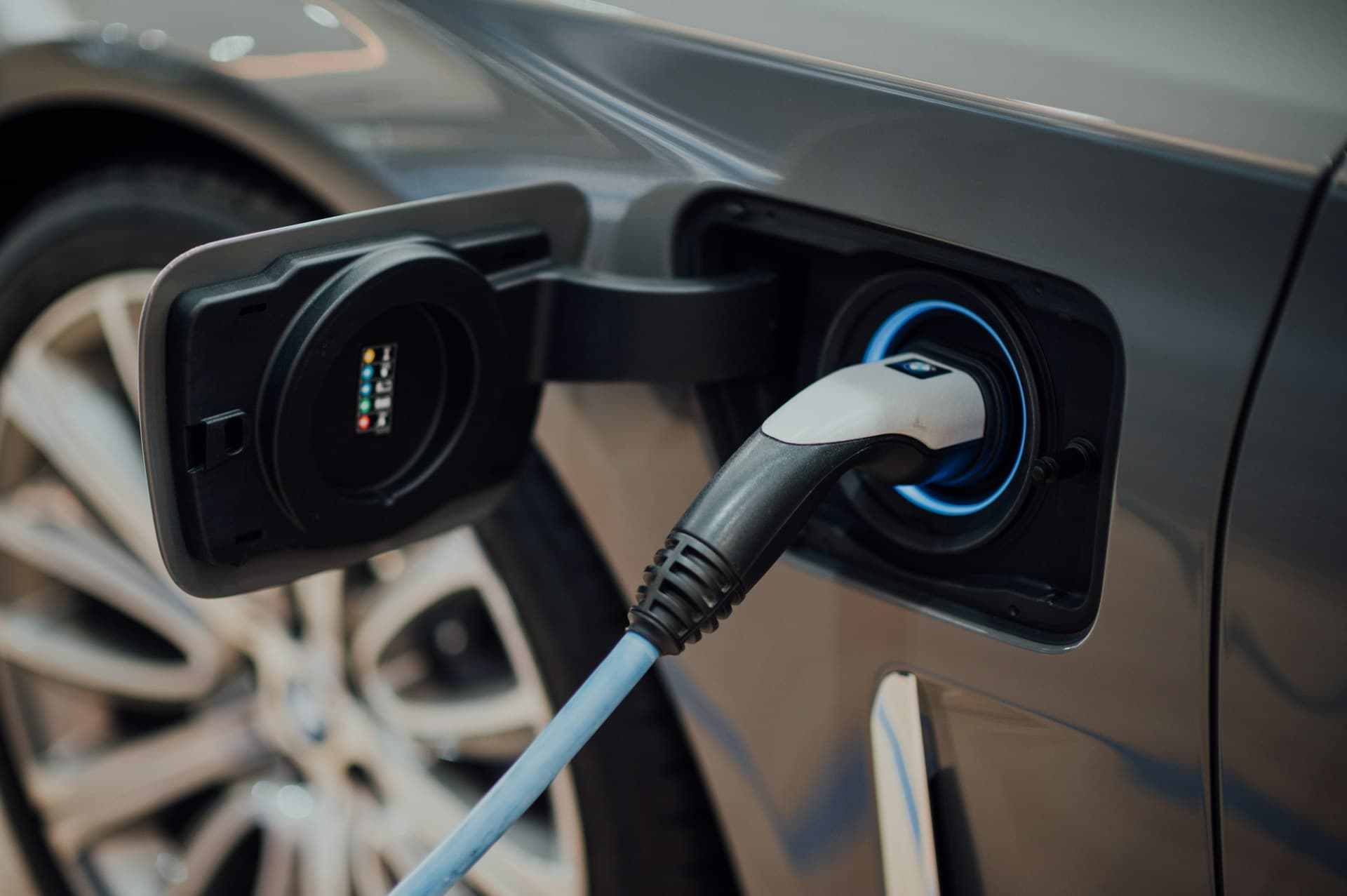
Charging system faults include onboard charger failure, charge port problems, inability to charge from mains, and charging cable issues. If the car can't charge, it can't function as a PHEV – that's strong grounds for rejection.
Range misrepresentation is a particular concern with PHEVs. Official WLTP ranges are tested in ideal conditions, and real-world range is typically 70-80% of stated figures. But if you're getting 50% or less, that may indicate a battery problem, may constitute misrepresentation if specific range was claimed at the point of sale, and is worth comparing to other owners' experience with the same model.

Finance Protection
If you bought on PCP or HP, the finance company legally supplied the car and is directly responsible for its quality under the Consumer Rights Act – you can complain to them as well as the dealer, and escalate to the Financial Ombudsman if they don't resolve it. If you paid any part of the deposit by credit card, Section 75 may also give you a claim against the card issuer. This is particularly useful for expensive battery claims, where the repair cost alone may justify rejection. Hybrid-specific issues don't change your finance rights in any way.
The Bottom Line
Your consumer rights apply to hybrid cars exactly as they do to any other vehicle. Battery faults can absolutely justify rejection – they're expensive to repair and core to the car's function. Check whether the manufacturer battery warranty still applies alongside your statutory rights, and get specialist diagnostics because hybrid systems need proper analysis with the right equipment. Document battery health with capacity figures to support your case, and remember that premature degradation is not normal wear – it's a fault. If specific range claims were made at the point of sale and the car falls significantly short, that's actionable misrepresentation.
Having problems with your hybrid car? Check your car – free, and we understand hybrid-specific issues.
Related topics