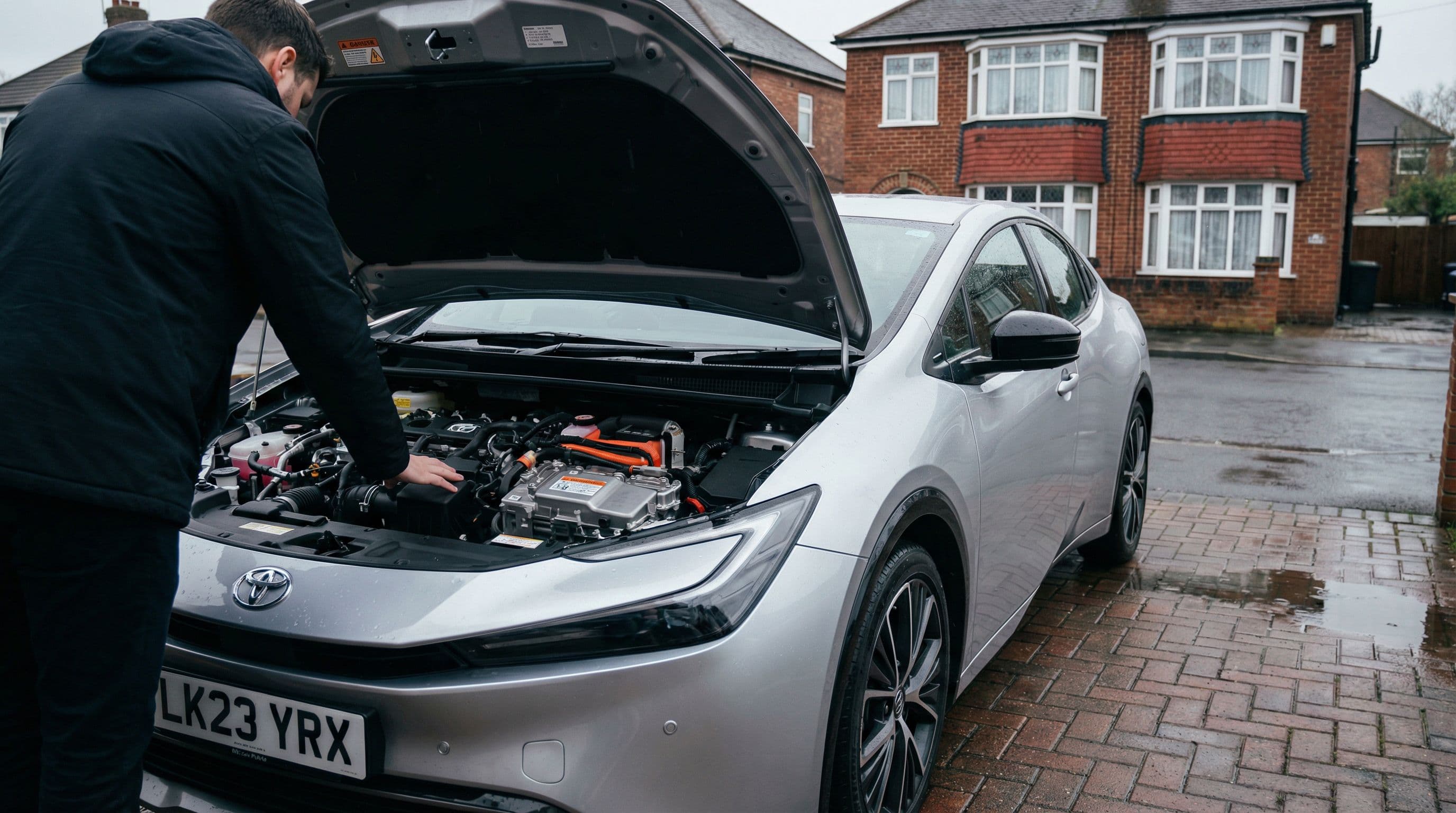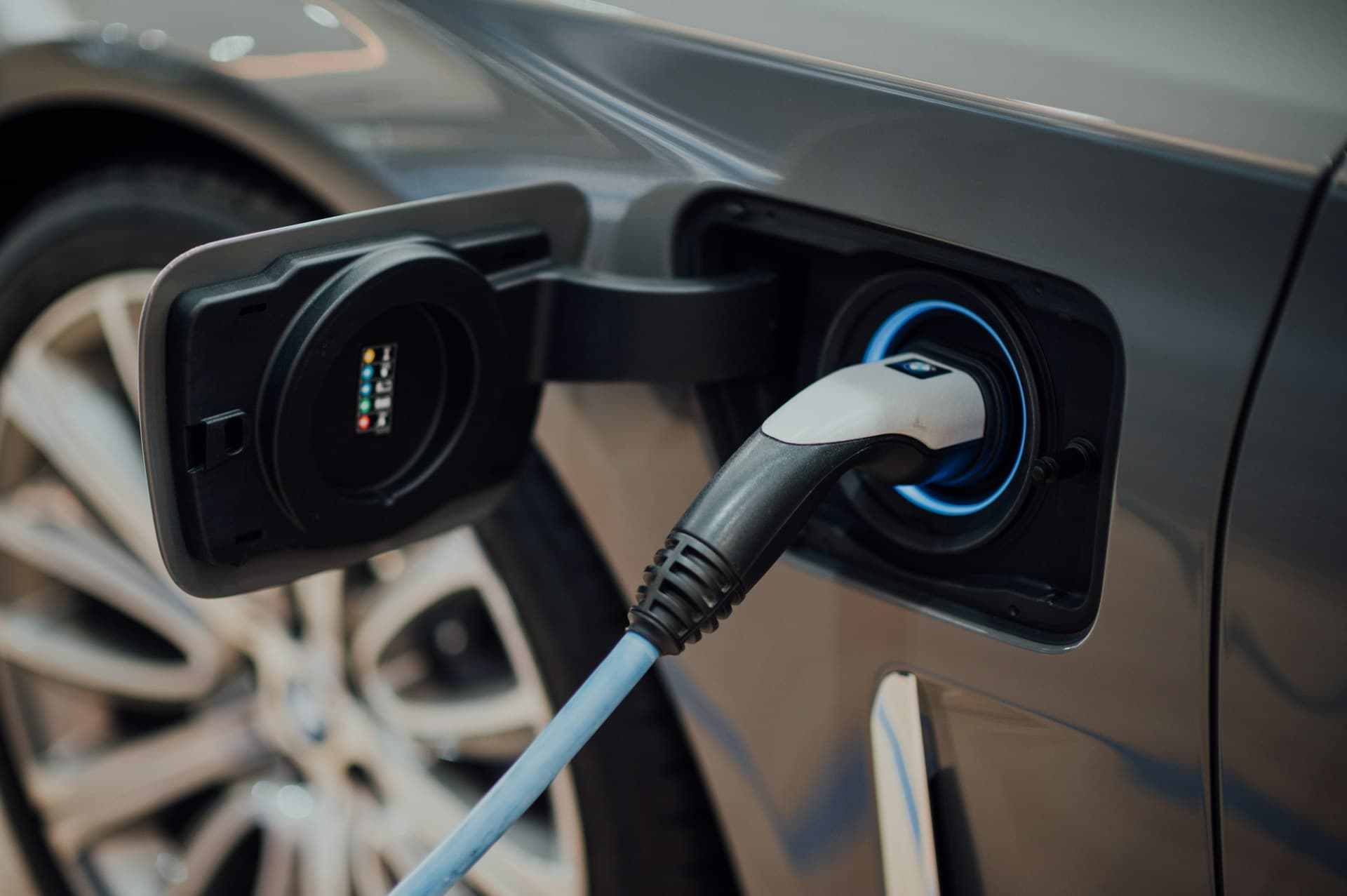

Electric cars are brilliant when they work. But when they go wrong, the faults can be expensive and the dealers can be evasive. Here's what you need to know about your rights when buying a used EV.
For hybrid vehicles (PHEV/HEV), many of these principles also apply.
Common Electric Car Faults
Battery Degradation
The battery is the most expensive component in an electric car – replacement costs can exceed £10,000. All batteries degrade over time, and some loss is inevitable: roughly 2-3% capacity loss per year is normal, with 80-90% capacity remaining after 8 years being typical for most EVs.
What's not normal is rapid degradation – more than 10% in a single year, range significantly below what's stated for the battery's age, battery health below 70% on a relatively new car, or charging that stops prematurely. These indicate a defective or damaged battery pack rather than expected ageing.
Charging System Problems
Charging faults are among the most frustrating EV issues because they directly affect the car's usability. Common problems include onboard charger failures, charging port malfunctions, inability to fast charge (or charging at far slower speeds than the car should support), intermittent charging failures, and software bugs that prevent charging altogether. If the car can't reliably charge from working chargers, it fundamentally isn't fit for purpose.
Electric Motor, Software, and Other Issues
Electric motor problems – unusual whining or grinding noises, reduced power output, inverter faults, or complete motor failure – are less common than in combustion engines but expensive when they occur. Software and electronics issues range from infotainment crashes and "bricking" (where the car becomes completely unresponsive) to wildly inaccurate range estimation, safety systems malfunctioning, and over-the-air updates that introduce new problems.
Even the humble 12V battery causes trouble – electric cars still rely on one for auxiliary systems, and when it fails the car won't start or systems become unresponsive, potentially leaving you stranded. Thermal management failures are more EV-specific: the battery overheats, performance drops in hot or cold weather, or inadequate cooling causes premature degradation.
Battery Range: When Is It a Fault?
This is one of the trickiest areas. For a detailed breakdown, see our guide on EV range less than advertised. Here's how to assess it:
Understanding Stated Range
The WLTP range figure is measured in controlled, near-ideal conditions. Real-world range is typically 15-30% less due to weather (cold significantly reduces range), driving style, heating or air conditioning use, and speed (motorway driving consumes more energy than urban). A car achieving 70-85% of its WLTP range in normal conditions is generally performing acceptably.
When Range Becomes a Fault
The car is faulty if the range is drastically below advertised – achieving only 50% of WLTP in normal conditions, for instance – or if the battery state of health is very poor for the car's age, range is decreasing rapidly after purchase, or the seller made specific range promises that simply aren't met.
Proving Battery Degradation
You'll need a battery health reading (accessible via diagnostic tools, apps like Battery Health Check for some models, or through the dealer), a comparison to expected health for the car's age and mileage, documentation of actual range achieved over multiple charges, and an expert opinion if the case is disputed.

See if you can reject your car. Free, in 2 minutes.
- Enter your reg
- Get your verdict
- Reject your faulty car
Free · No card · About 2 minutes
Not sure which window you are in? Put in your reg and find out, free.
Your Rights With Electric Cars
The Consumer Rights Act 2015 applies to electric cars exactly as it does to petrol and diesel. The car must be of satisfactory quality (battery, motors, and charging must work properly), fit for purpose (usable as everyday transport), and as described (range, features, and battery health must match the claims made at sale).
Within 30 days, you can reject for a full refund if any fault makes the car unsatisfactory – whether that's the battery not holding charge, charging faults, software problems, or any other defect. After 30 days, you have the right to one repair attempt, followed by rejection if the repair fails (potentially with a deduction for use).
Battery degradation beyond what's reasonable for the car's age can be grounds for rejection even if the car technically "works." A 3-year-old EV with 60% battery health isn't satisfactory quality – the range has dropped so far below what a reasonable buyer would expect that the car no longer functions as fit everyday transport.
Special Considerations for EVs
Tesla and Direct Sales
If you bought directly from Tesla (not a used dealer), you're still protected by consumer law. Tesla is the "trader" and has the same obligations as any dealer.
Tesla's arbitration clauses in their terms don't override your statutory rights in the UK.
Battery Leases
Some older EVs (particularly Renault Zoe models) have leased batteries rather than owned ones. Make sure you understand whether the battery is owned or leased, what the ongoing lease obligations are, and whether the lease transfers to you as the new owner. A leased battery means you don't own the whole car, which complicates rejection – you may need to deal with both the dealer and the battery leasing company.
Software Updates and Charging
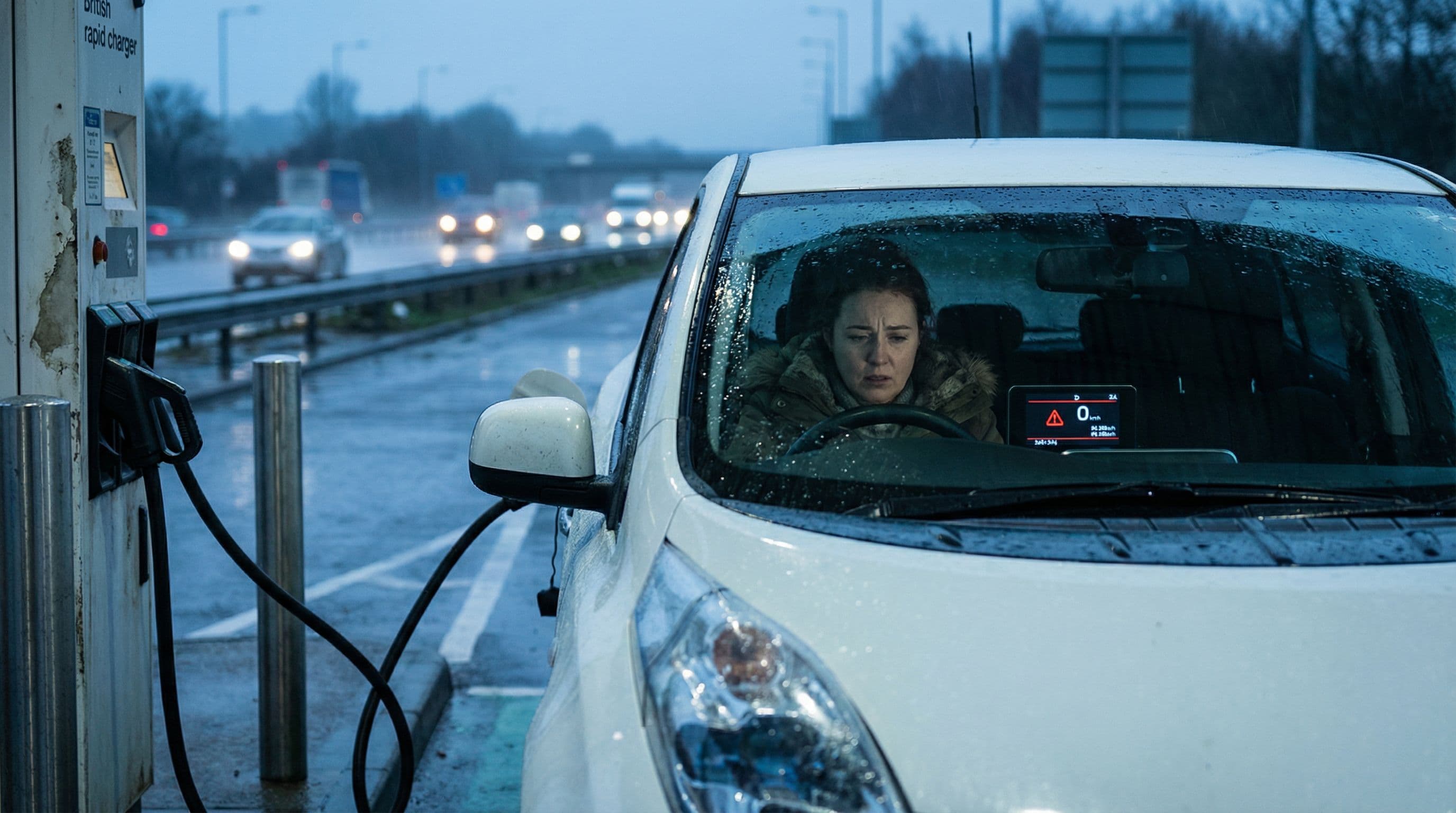
If an over-the-air update causes problems, that constitutes a fault if it affects the car's quality or performance. "They'll fix it in the next update" isn't an acceptable response – you have the same rejection rights as for hardware faults. On charging, problems with public charging infrastructure aren't the dealer's fault, but if the car itself can't charge properly from working chargers, that's unambiguously a fault with the vehicle.

Common Dealer Excuses (And Why They're Wrong)
"That's normal battery degradation"
If degradation is excessive for the car's age and mileage, it's not normal. Get an independent assessment.
"The range depends on how you drive"
True to an extent, but if you can't get anywhere near the advertised range in normal use, the car isn't as described.
"It's a software issue, we'll update it"
A software issue is still a fault. You have rights. If the update doesn't fix it, your rights remain.
"Electric cars are different, the law doesn't apply"
Nonsense. The Consumer Rights Act applies to all goods sold by traders. Electric cars aren't exempt.
"You should have checked the battery before buying"
The duty is on them to sell you a satisfactory product, not on you to be an EV expert.
Getting an EV Inspected
Before buying a used EV, a battery health check is essential – many garages can now read the state of health, telling you the actual capacity remaining as a percentage. An EV-specific diagnostic scan goes deeper, revealing error codes, charging history, battery cell balance (individual cells degrading unevenly is a concern), and motor condition. For high-value electric cars, specialist companies now offer EV-specific pre-purchase inspections that are well worth the investment.
If Your Electric Car Is Faulty
Document everything – battery health readings, actual range achieved over multiple charges, photos and videos of any faults, and all correspondence with the dealer. Then write to the dealer formally, citing the Consumer Rights Act 2015 and stating the specific fault, why the car isn't satisfactory or as described, and what you want (refund or repair).
For battery disputes specifically, an independent assessment of battery health compared to expected values for the car's age and mileage is powerful evidence. If the dealer won't cooperate, escalate to your finance company (if applicable), Trading Standards, or small claims court.
The Bottom Line
Electric cars are covered by exactly the same consumer protections as any other vehicle. Don't let dealers tell you otherwise.
The battery is a component like any other. If it's degraded beyond what's reasonable, the car isn't satisfactory quality. If the range is way below what was advertised, the car isn't as described.
EV technology is still evolving, but your rights aren't experimental – they're established law.
Bought an electric car that isn't performing as promised? Check your car — free, and we'll tell you if you qualify for a rejection – we handle EV cases regularly.
Related topics