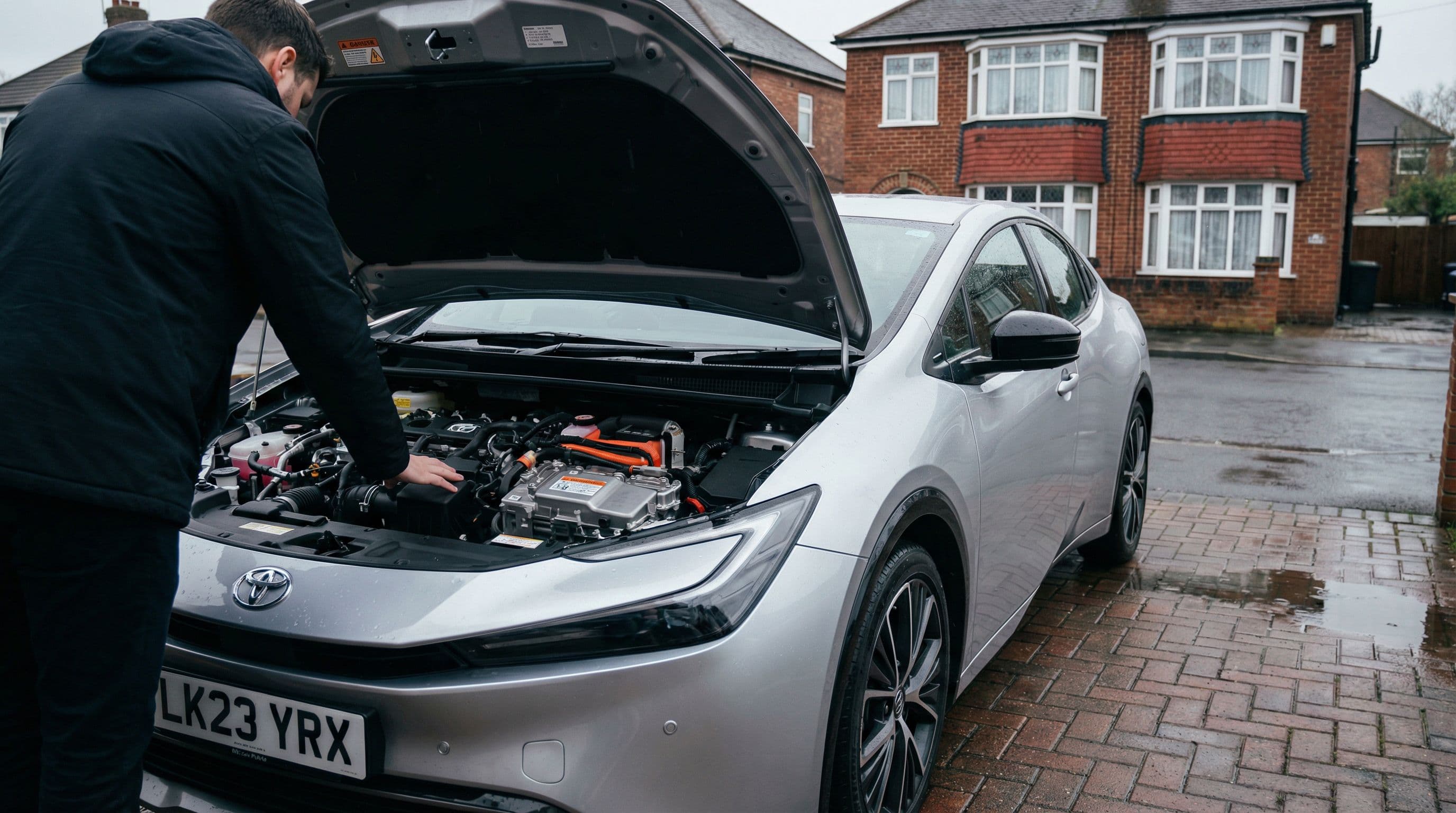

An electric car that won't charge is an electric car that won't drive. Charging system faults are one of the most serious issues EV owners face – and definitely grounds for rejection if they can't be fixed.
Common EV Charging Faults
Onboard charger failure is one of the most serious issues. The onboard charger converts AC power from your home or public chargers into DC to charge the battery. When it fails, the car won't charge from AC sources at all – it may only work with DC rapid chargers, which severely limits usability. Replacement costs £1,000-£3,000+.
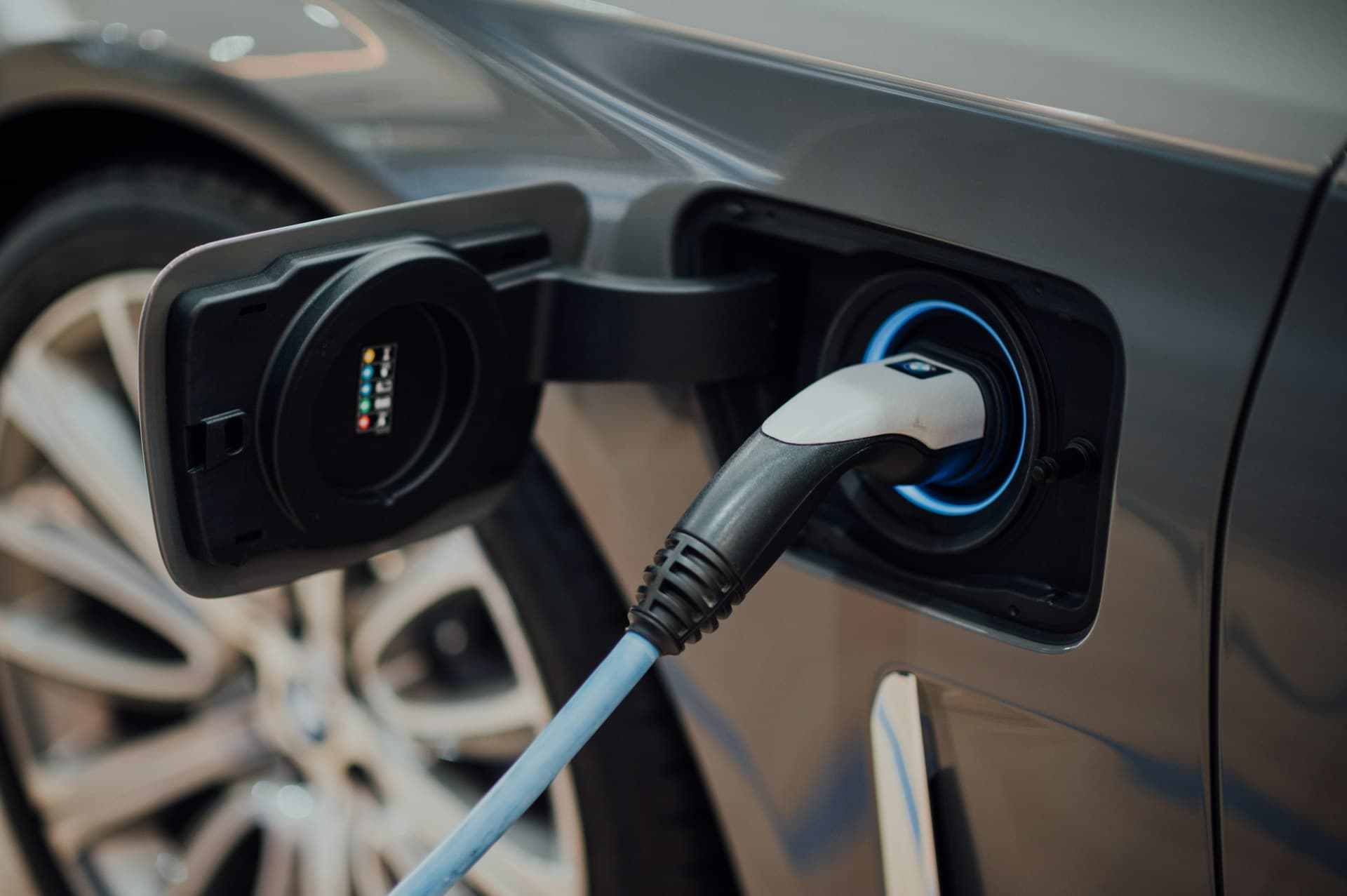
Charge port problems are physical issues with the charging socket itself – the port won't open, the connector won't seat properly, the port is damaged or corroded, or the locking mechanism fails and the cable falls out mid-charge. Charging cable faults are also common if the car came with a cable: it may not work at all, connect intermittently, or overheat during charging.
Battery management system (BMS) issues affect the charging process at a software level. The car may refuse to accept charge beyond a certain percentage, charging may stop randomly, the state of charge may display incorrectly, or individual cell balancing may fail – all of which indicate a problem with the battery pack or its management electronics. Similarly, software and communication faults can prevent the car from completing the "handshake" with public chargers, limit it to only certain charger types, or block charging altogether.
Thermal management problems are more EV-specific. The battery needs to be kept within a temperature range during charging, and if the cooling system isn't working properly, charging slows dramatically due to thermal throttling, the car may refuse to charge in hot or cold weather, or you'll see overheating warnings that cut the session short.
Is This a Fault Justifying Rejection?
Almost Always Yes
A car that can't charge properly is fundamentally unfit for purpose. The whole point of an electric car is that it charges and drives on that charge. Under the Consumer Rights Act 2015, a car that won't charge isn't of satisfactory quality (Section 9), and an EV that can't charge isn't fit for the purpose of being an EV (Section 10).
Even partial charging problems count. If the car only charges at home but not at public chargers, that's a fault. If it only rapid charges but won't slow charge, that's a fault. If it charges but at a fraction of the expected speed, that's likely a fault too. You bought a fully functional EV – partial functionality isn't acceptable.

See if you can reject your car. Free, in 2 minutes.
- Enter your reg
- Get your verdict
- Reject your faulty car
Free · No card · About 2 minutes
Not sure which window you are in? Put in your reg and find out, free.
What the Dealer Might Say
"It's the charger, not the car"
Your response: If the car won't charge from multiple different chargers (try at least 3 different locations), the problem is the car.
"You need a software update"
Your response: Fine – update it. But if the update doesn't fix it, or takes months to arrive, your rights remain.
"That's normal for EVs in cold weather"
Your response: Reduced range in cold weather is normal. Complete failure to charge is not.
"Use a different charger type"
Your response: The car should work with all appropriate charger types. If it only works with some, there's a fault.
Building Your Case
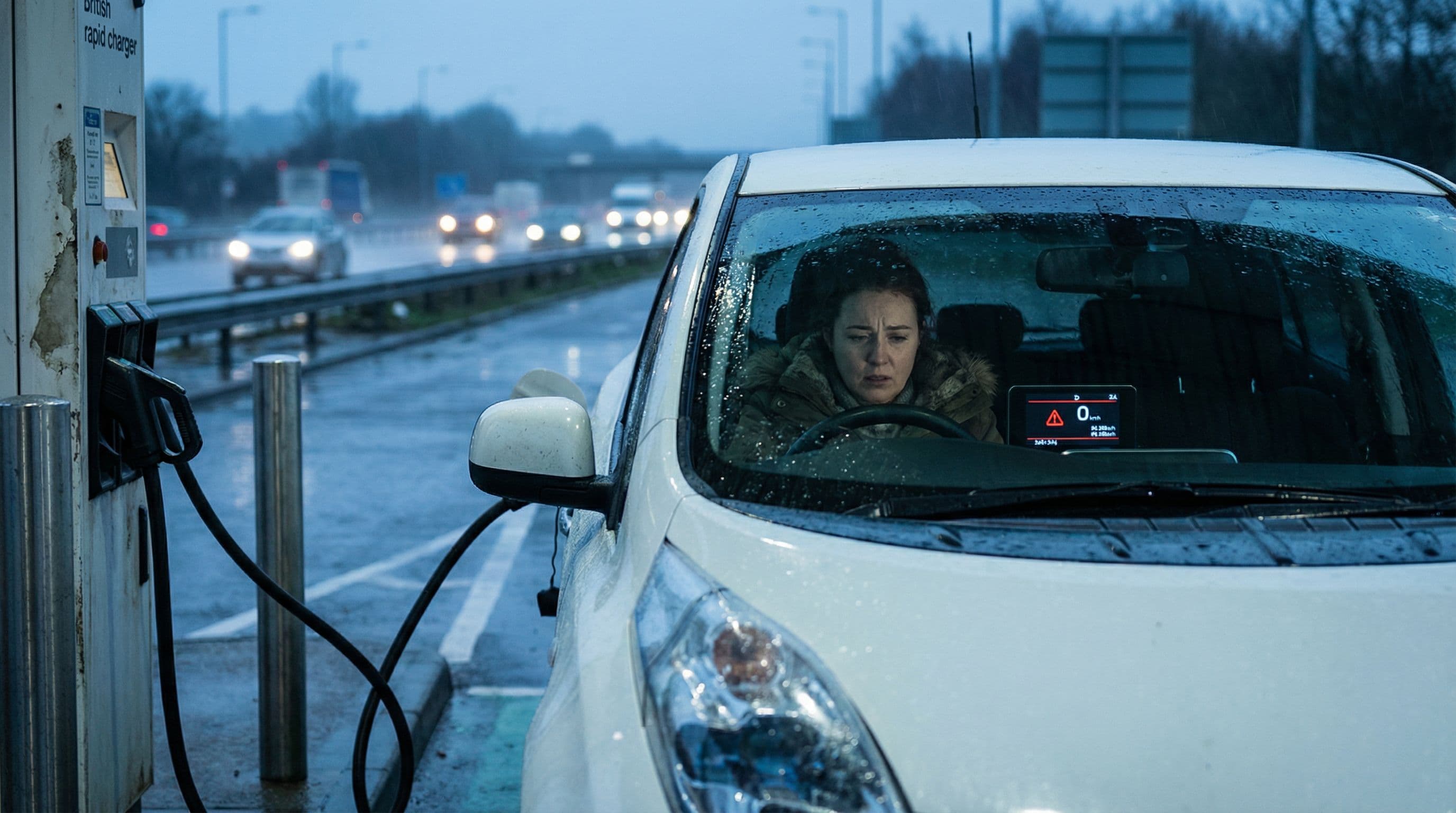
Document the problem thoroughly. Video the car failing to charge, screenshot any error messages on the car's display or the charger, and note the date, time, and location of every failed attempt. Crucially, try multiple different chargers – at least three different locations – and document each attempt. This proves the problem is with the car, not a particular charger.
Get diagnostic evidence by having an independent garage or the dealer read fault codes and provide a written diagnosis. Ask them specifically whether the charging system is functioning correctly, and get their answer in writing. For public charger failures, gather receipts showing you were charged for sessions that failed, contact the charge point operator for their logs, and screenshot any app records of failed sessions.
Research manufacturer specifications to confirm that the charger types you're using should work with your car. If the car is advertised as compatible with certain charging standards but isn't functioning with them, that's a clear fault. An independent inspection from an EV specialist can provide the expert evidence you need.
Your Rights Timeline
Within 30 days, you can reject for a full refund. A charging fault absolutely meets the threshold for rejection – the car isn't fit for purpose. Between 30 days and 6 months, you can request a repair, and if that repair fails or they can't fix the problem, you can then reject. One repair attempt is all they get for a fault of this seriousness, and the law still presumes the fault existed at purchase.
After 6 months, you'd need to prove the fault was present when you bought the car. Given that charging systems either work or they don't, this is usually provable through diagnostic data and fault code timestamps.
Special Considerations
If you bought directly from Tesla or another direct-sale manufacturer, the same consumer rights apply in full. They're the "trader" under the Act, and their terms and conditions don't override your statutory rights.
The same rights apply to used EVs – a 3-year-old electric car should still charge properly. If the charging system has failed, you have grounds for rejection regardless of the car's age. And if a charging cable was included with the car and it's faulty, it's part of the goods sold to you, must be of satisfactory quality, and can be grounds for rejection or replacement in its own right.
Sample Letter
Prevention: Checking Before Purchase
When buying a used EV, test charging before you commit – plug it in at the dealer and confirm it accepts a charge normally. Check the charging history if the car logs it (some models record successful and failed charge sessions), get a battery health check since degraded batteries can affect charging behaviour, and confirm whether a charging cable is included and what type it is.
The Bottom Line
An electric car that can't charge reliably is fundamentally unfit for purpose – there's no grey area. Test multiple chargers to prove the problem is the car, document every failed session with videos and screenshots, and don't accept partial functionality as acceptable. Within 30 days, rejection is straightforward. After 30 days, the dealer gets one repair attempt before you can reject. Your rights are exactly the same whether the car is new, used, a Tesla, or any other brand.
Electric car won't charge? Check your car – free, and charging faults are a clear-cut case for refund.
Related topics