

Key takeaways
- Faults soon after purchase are defects, not wear and tear
- For 6 months the dealer must prove otherwise
- Engine, gearbox and clutch failures do not develop overnight
- Within 30 days you can reject outright, no repair needed
Buy a used car and it should work. When something goes wrong within days or weeks — a warning light, a failing gearbox, a dead clutch — dealers reach for the same three words: wear and tear. Most of the time, that's not the law.
This guide covers the faults we see most often, what each one means, and — crucially — whether it counts as a defect you can reject the car for. Jump to your problem:
- Engine problems
- Engine warning light
- Gearbox and transmission
- Clutch failure
- Electrical faults
- Steering problems
- Suspension faults
- Overheating and cooling
- Air conditioning

See if you can reject your car. Free, in 2 minutes.
- Enter your reg
- Get your verdict
- Reject your faulty car
Free · No card · About 2 minutes
Your rights when a used car develops a fault
Under the Consumer Rights Act 2015, a car bought from a dealer must be of satisfactory quality, fit for purpose, and as described. "Satisfactory quality" explicitly includes durability — the car must last a reasonable time given its age, mileage and price.
Three timeframes decide your options:
- First 30 days — the short-term right to reject. If the car is faulty, you can hand it back for a full refund, no repair attempt required.
- 30 days to 6 months — the dealer gets one chance to repair; if that fails (or they refuse), you can reject. Critically, any fault in this window is presumed to have been present at sale — the dealer must prove otherwise, which is hard.
- 6 months to 6 years — you can still claim, but the burden shifts to you to show the fault was present or developing at purchase, usually with an independent inspection.
With that framework in mind, here's how it applies to each fault.
Do you know your car-fault rights?
How long do you have to reject a faulty car for a full refund, with no repair attempt required?
Not sure which window you are in? Put in your reg and find out, free.
Engine problems
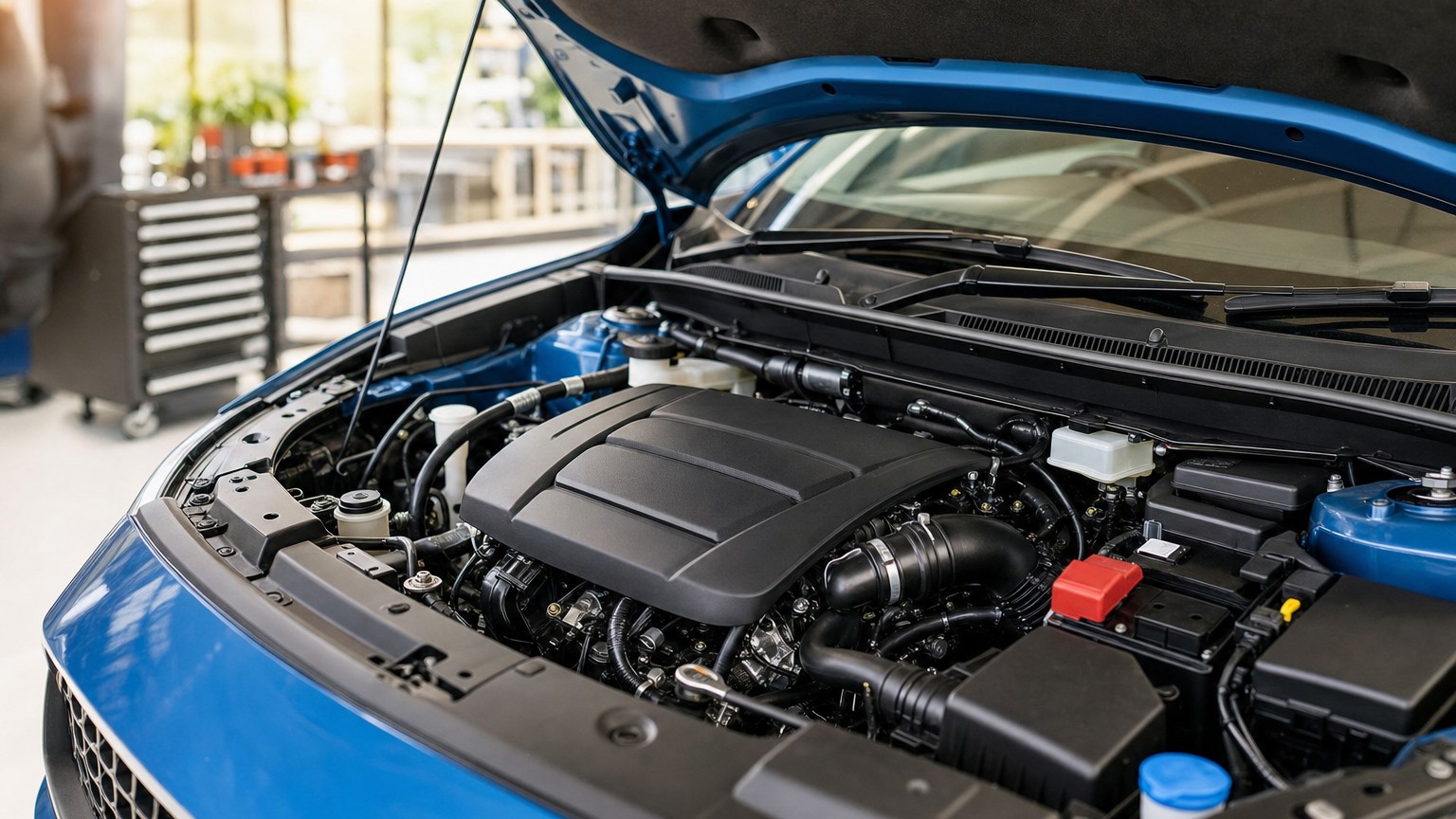
Engine trouble is the nightmare scenario — repairs routinely run into thousands, sometimes more than the car is worth. Knocking or rattling, heavy oil consumption, persistent smoking, misfiring, loss of power or complete failure are all unambiguous faults. There's no credible argument that a car with a failing engine is of satisfactory quality: the engine must work, full stop.
Because engine damage is so expensive and rarely appears overnight, a serious engine fault within the first few months is one of the strongest rejection cases there is. Get a diagnosis in writing, keep every document, and don't be talked into an open-ended "we'll keep looking at it."
Engine warning light

The engine management light (EML), or check-engine light, means the ECU has detected a fault. It might be minor — a loose fuel cap, a sensor, an emissions glitch — or major: catalytic converter failure, MAF/MAP sensor problems, oxygen sensor faults, misfires, timing or fuel-injection issues.
The core problem is uncertainty. Without a diagnostic scan you can't tell a £50 fix from a £5,000 one, and that uncertainty alone makes the car unsatisfactory. No reasonable buyer accepts a car with an undiagnosed engine fault. A dealer waving it away as "probably nothing" is not a diagnosis — insist on a scan and the fault codes in writing.
Gearbox and transmission
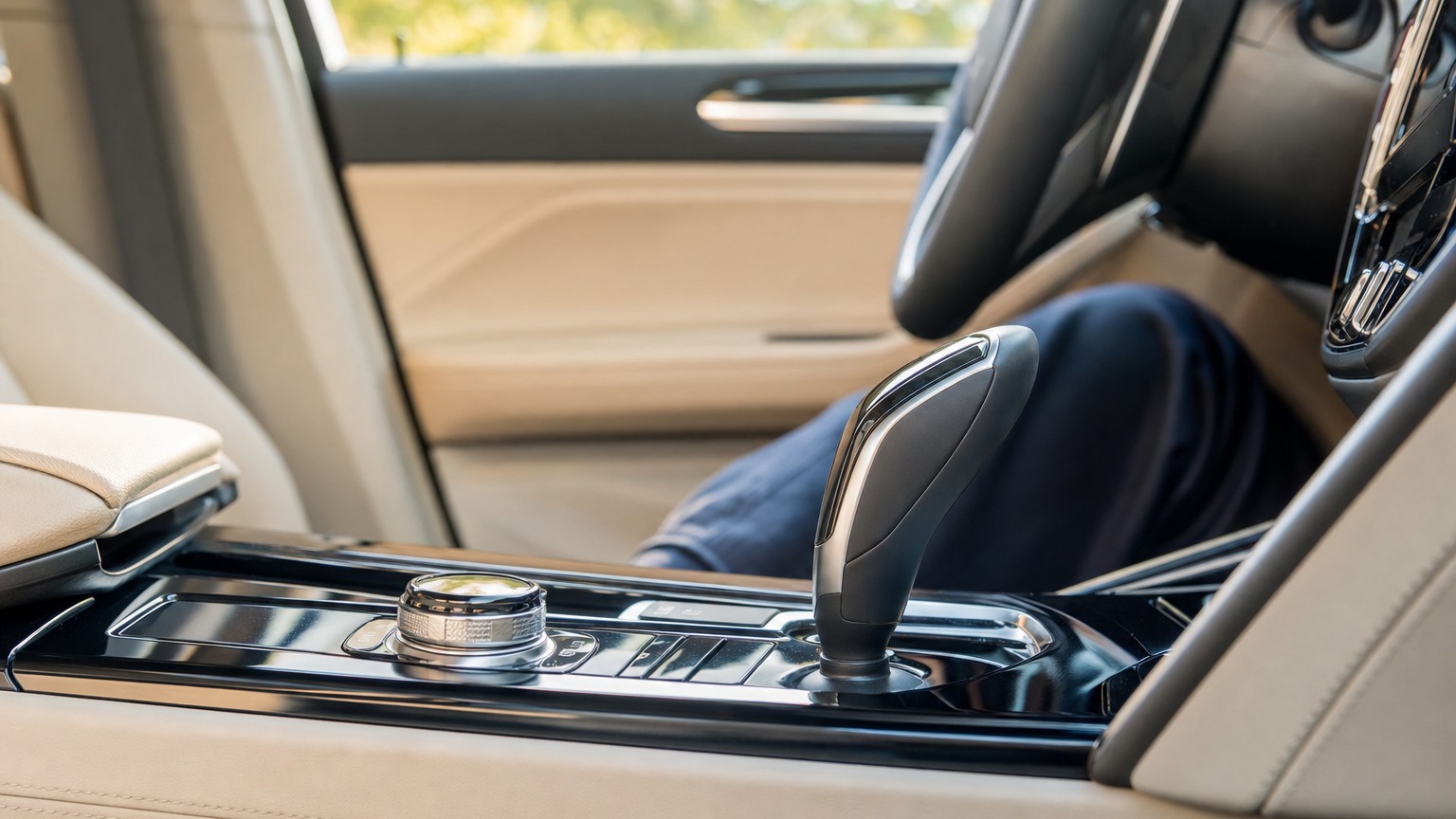
Gearbox and transmission faults are among the most expensive you can hit — commonly £2,000 to £5,000+ — covering manual gearboxes, automatics, DSG/dual-clutch units and their control modules. Symptoms include slipping, harsh or delayed shifts, whining, grinding, refusing to select gears, or going into limp mode.
A gearbox that fails or misbehaves shortly after purchase fails the durability test, and within six months the dealer must prove it was sound at sale. Some units have well-known weaknesses — VW DSG gearboxes, for instance — but premature failure on any transmission is grounds for a claim.
Clutch failure
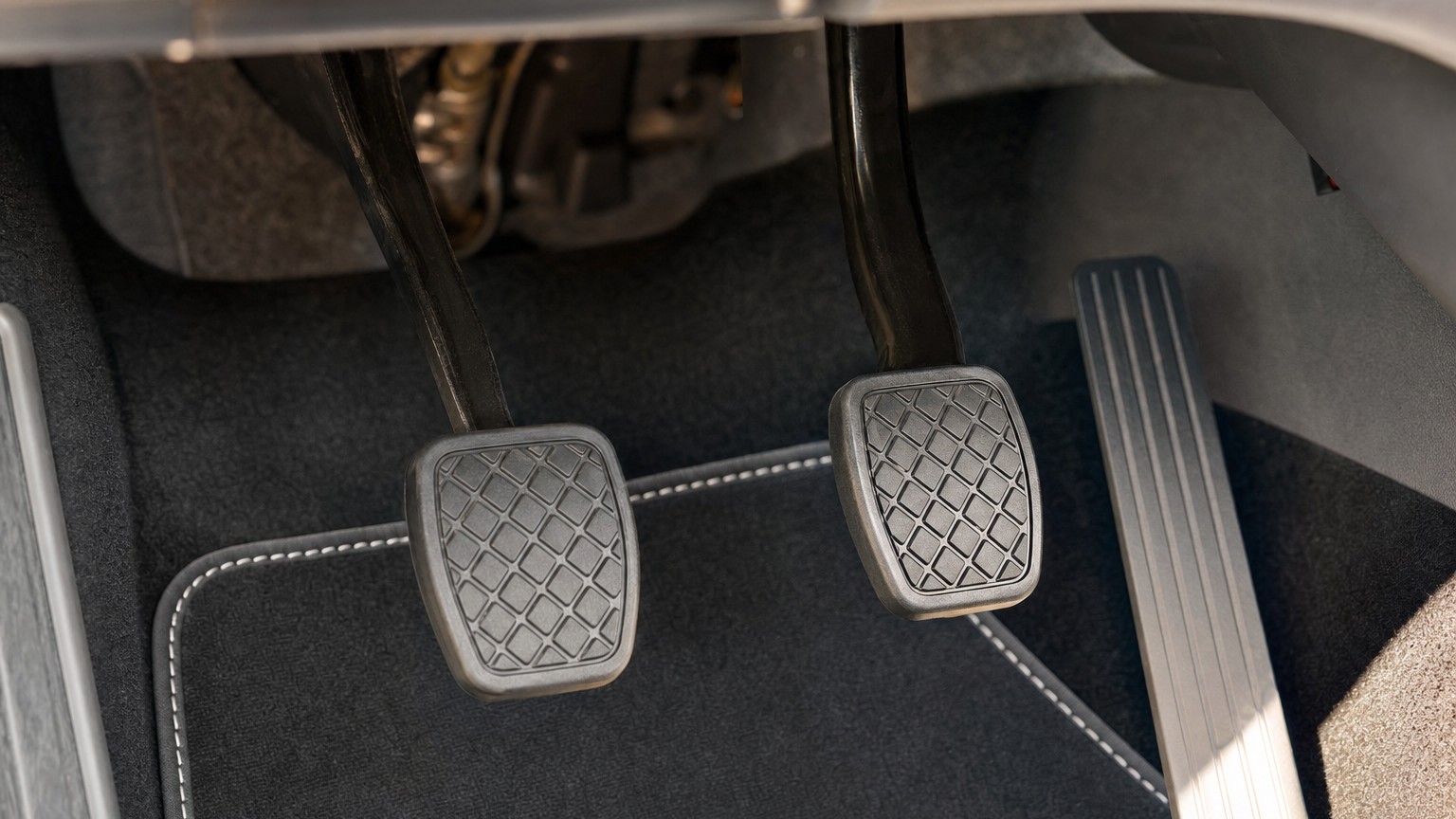
You buy a car and within weeks the clutch has gone — an £800-£1,500 repair — and the dealer says "wear and tear." Are you stuck? Usually not.
Yes, clutches are a wearing part — but a clutch on a reasonably-aged car with sensible mileage should not fail within weeks of purchase. Premature failure, or a clutch (and often the dual-mass flywheel with it) that was clearly on its way out at sale, points to a car that wasn't of satisfactory quality. The dealer's "wear and tear" line is context-dependent, and the law is more favourable to you than they'll admit — especially inside six months.
Electrical faults

Modern cars are packed with electronics, and when they misbehave the faults can be maddening — from phantom warning lights to complete system failures. All the car's systems, electronics included, must be of satisfactory quality and fit for purpose.
Strength of case depends on the fault. Strong grounds: safety systems (ABS, airbag, traction control), immobiliser or starting problems, persistent warning lights that would cause MOT failure, and water ingress causing multiple failures. Possible grounds: infotainment failures, non-critical sensors, convenience features — depending on severity and whether they were advertised as working. Weaker: minor cosmetic issues, features never promised, or problems disclosed before purchase.
Steering problems

Steering faults are among the most dangerous a car can have — if you can't control where the car goes, you can't drive it safely. Failing electric (EPAS) or hydraulic power steering makes the wheel extremely heavy; play, knocking or wandering point to worn components or a failing steering rack.
Safety-critical faults like these are taken very seriously. A steering problem that appears soon after purchase almost certainly existed at sale and is strong grounds for rejection — and worth reporting, since a car unsafe to steer should never have been sold in that condition.
Suspension faults
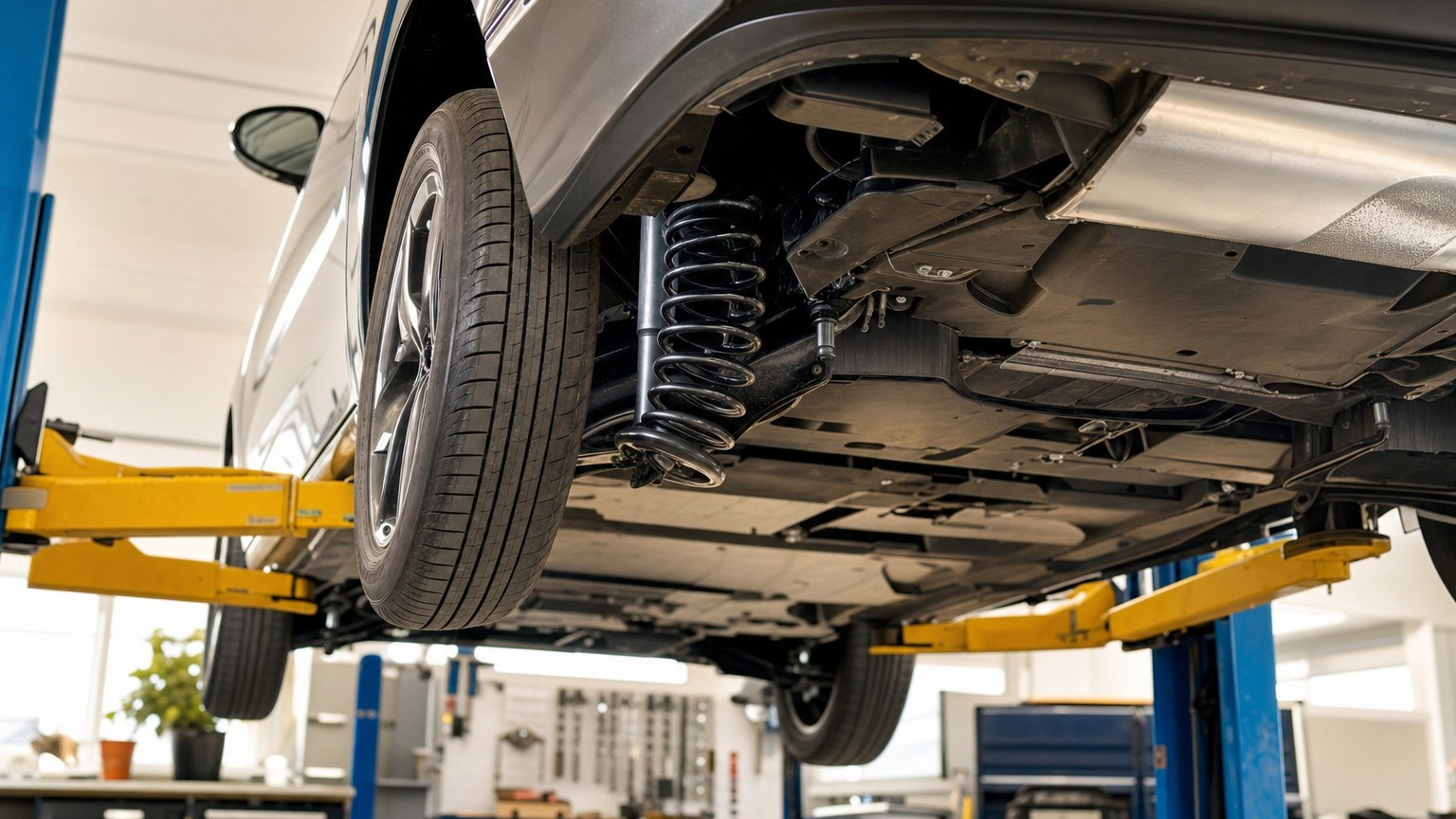
Suspension problems are among the most commonly hidden faults — a dodgy dealer can mask worn shocks, broken springs and perished bushes just long enough to complete a sale. Signs include a bouncy or crashy ride, the car sitting unevenly, clunks over bumps, or uneven tyre wear.
Because these components degrade gradually, a suspension failure shortly after purchase strongly suggests it was already worn when sold — which, especially within six months, puts you in a strong position to reject or claim the repair cost.
Overheating and cooling
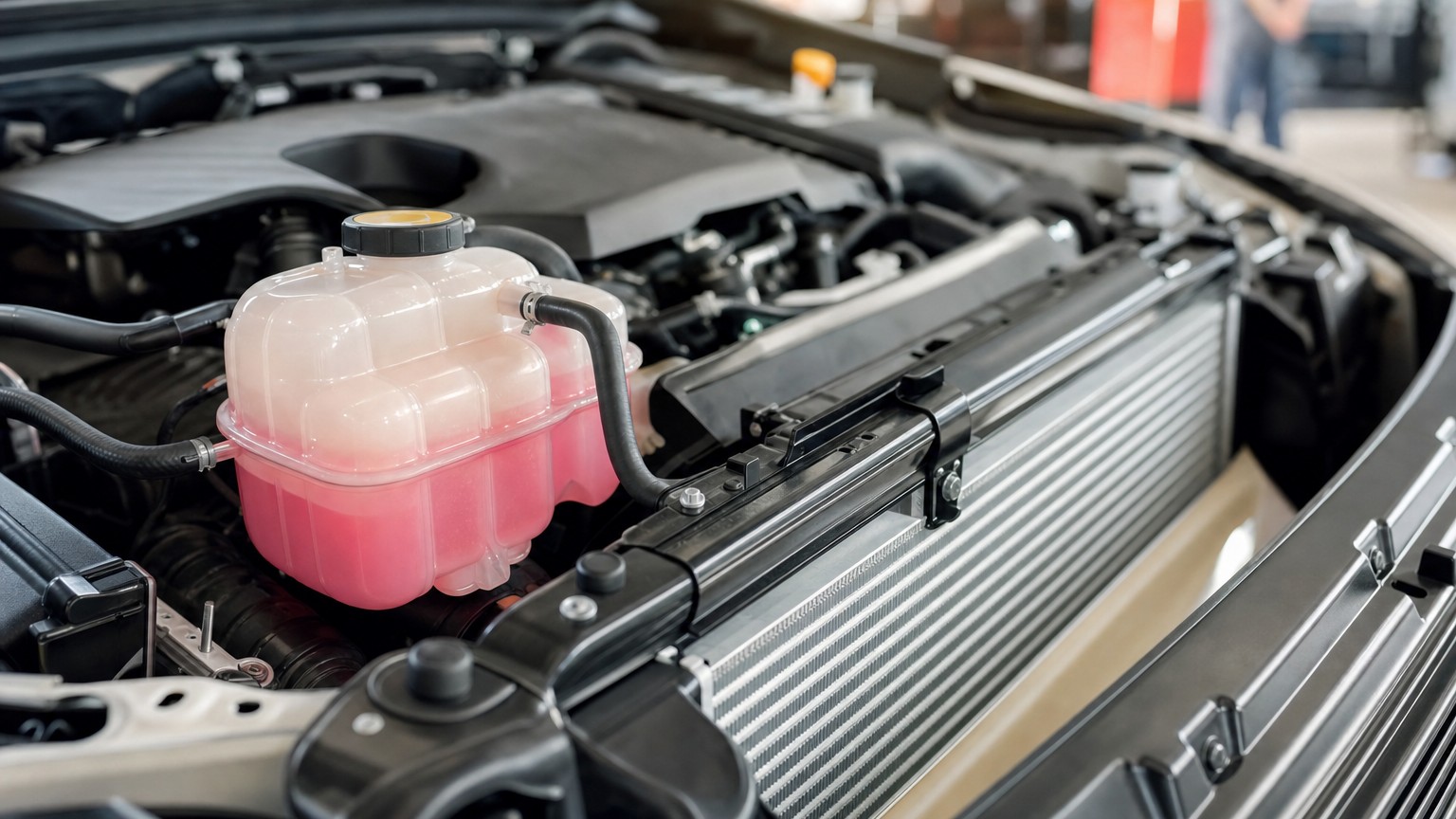
Few things are more alarming than the temperature gauge climbing into the red. Overheating can cause head gasket failure (£800-£2,500), a warped cylinder head (often an engine replacement), a cracked block (potentially writing the car off) or a seized engine. A single serious overheating event can destroy an engine — which is why cooling faults (failed water pump, thermostat, radiator, head gasket) are treated so seriously.
If your car overheats soon after purchase, stop driving it immediately to limit damage, get it diagnosed, and treat it as a serious defect — not a minor niggle.


Air conditioning
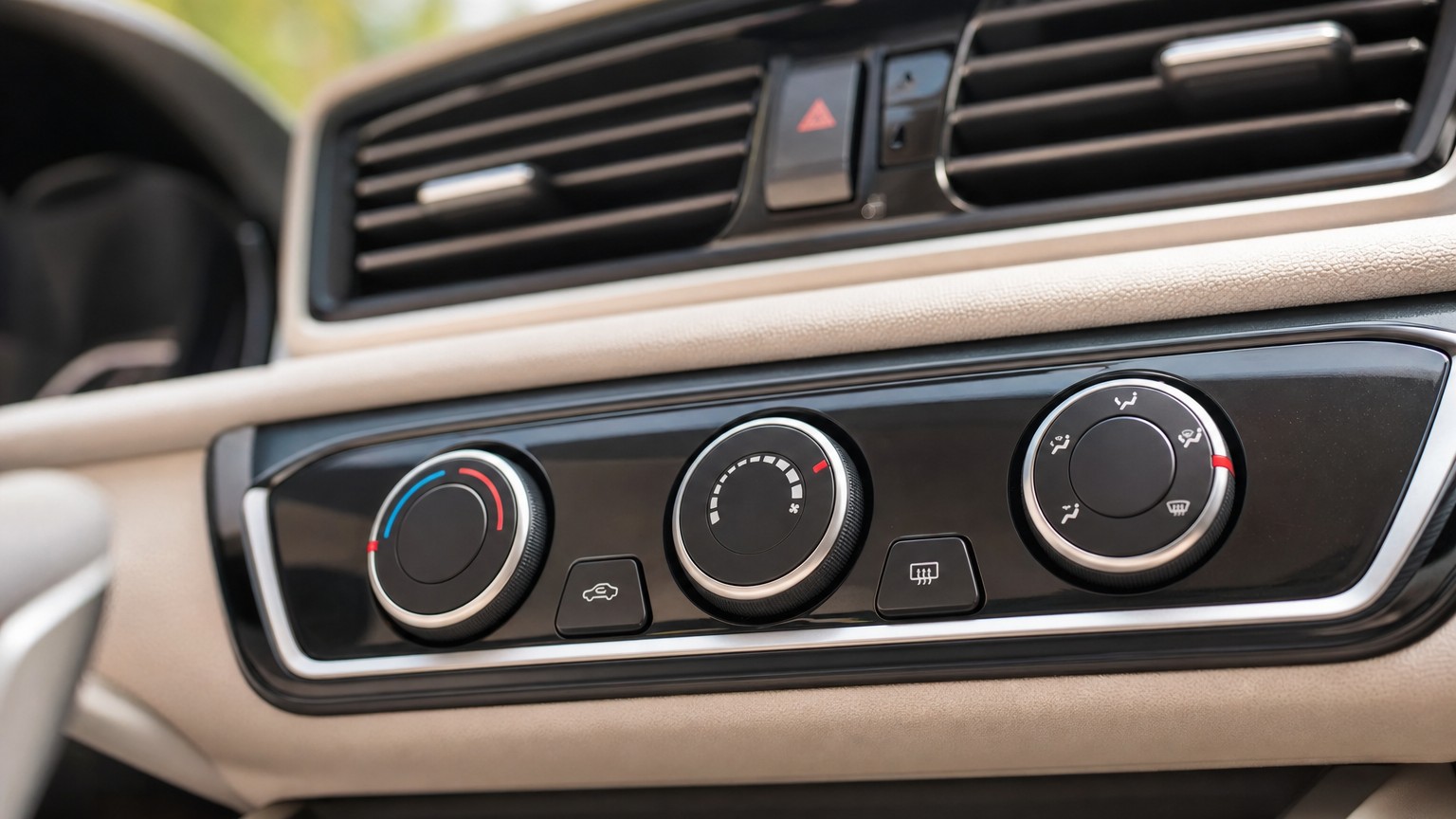
If a car was advertised with air conditioning or climate control and it doesn't work, that's usually grounds for rejection — the car must match its description under Section 11. A dealer who listed "air conditioning" or "full spec" and handed over a car whose A/C doesn't cool has sold something not as described.
The exception is expectation: if the A/C works but you hoped it were colder, that's a difference in expectation, not a fault — performance varies, and a short cool-down after starting is normal. But a system that simply doesn't work, especially if undisclosed, is a legitimate claim.
How to act on any of these
Whichever fault you have, the playbook is the same:
- Stop and diagnose. Get the fault confirmed in writing — a garage diagnosis or the fault codes.
- Put it in writing to the dealer with a clear rejection letter citing the Consumer Rights Act, and keep records of everything.
- Know your window. Within 30 days you can reject outright; within six months the dealer must prove the fault wasn't there at sale.
- Use the finance company if you bought on credit. On HP or PCP the finance company is jointly liable for the car's quality — a powerful second route.
- Escalate to the Financial Ombudsman (financed cars) or the small claims court if the dealer digs in.
Frequently asked questions
Is a fault "wear and tear" or a defect? Genuine consumable wear (brake pads worn down over years, for example) is normal. But an expensive component failing within weeks of purchase — engine, gearbox, clutch, cooling — is not normal wear; it points to a car that wasn't of satisfactory quality when sold, and within six months the dealer must prove otherwise.
Do I have to let the dealer repair it? Not in the first 30 days — you can reject the car for a full refund without a repair attempt. After 30 days (and within six months) the dealer is entitled to one repair attempt; if it fails or they refuse, you can reject.
What if the dealer says the fault "wasn't there when I sold it"? Within six months, the law assumes it was present at sale unless the dealer can prove otherwise — a high bar for faults that develop gradually. Your job is simply to document the fault; the burden is on them.
Bought a used car that's developed a fault? Check your car — it's free, and we'll tell you exactly where you stand and draft the letters that get your money back.
Related topics