
FaultyCar.co.uk may earn a commission if you buy through links on this page. Vehicle history reports are provided and sold by carVertical. This doesn’t affect the price you pay.
When buying a used car, does it matter whether you choose a franchised main dealer or an independent garage? From a consumer rights perspective, the answer is: less than you might think.
What's the Difference?
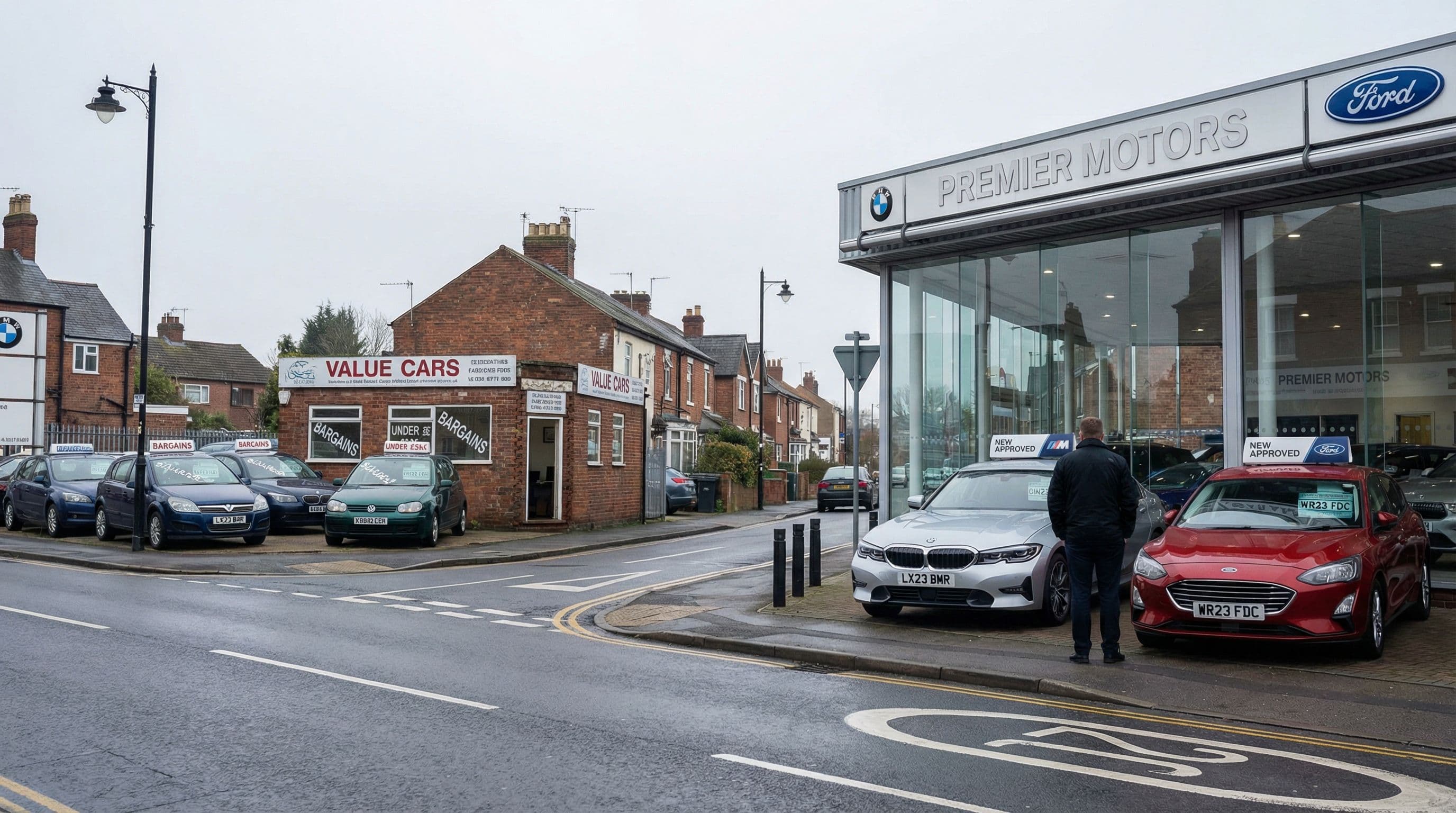
Franchised or main dealers are authorised by a manufacturer (BMW, Ford, Toyota, etc.) to sell new and used cars of that brand. They have manufacturer training and standards, tend to be larger operations with formal processes, and are usually more expensive as a result.
Independent dealers aren't tied to any manufacturer and sell all makes and models. They range from large operations to small forecourts, vary more widely in quality and processes, and often offer lower prices. Some independents specialise in particular makes and may have deeper knowledge of those models than a general franchised dealer.
Not sure which window you are in? Put in your reg and find out, free.
Your Consumer Rights: Identical
Under the Consumer Rights Act 2015, your statutory rights are exactly the same whether you buy from a prestige franchised dealer, a small independent garage, a car supermarket, or an online dealer. Any business selling cars must meet the same legal standards: satisfactory quality (Section 9), fit for purpose (Section 10), matching the description (Section 11), and 30-day rejection right (Section 22). The dealer's size, reputation, or brand affiliation doesn't change any of these requirements.
Where Differences May Exist
Complaint processes differ in practice. Franchised dealers typically have formal complaint procedures, dedicated customer service departments, manufacturer oversight, and ADR membership (often the Motor Ombudsman). Independent dealers may have less formal processes, fewer staff to handle complaints, and more varied responsiveness – though some independents handle complaints better than large dealerships precisely because decisions are made quickly by the owner.
Manufacturer involvement is an advantage of franchised dealers. If you buy an approved used car from one, the manufacturer may offer additional warranty, help resolve disputes, and protect their brand reputation. But this is additional to your statutory rights, not instead of them.
Financial stability is worth considering. Franchised dealers are generally larger and more stable businesses. If a dealer goes bust, your rights transfer to the finance company if applicable. Smaller independents may carry a higher risk of closure, which is why finance protection is particularly important when buying from them.
Approved Used Schemes
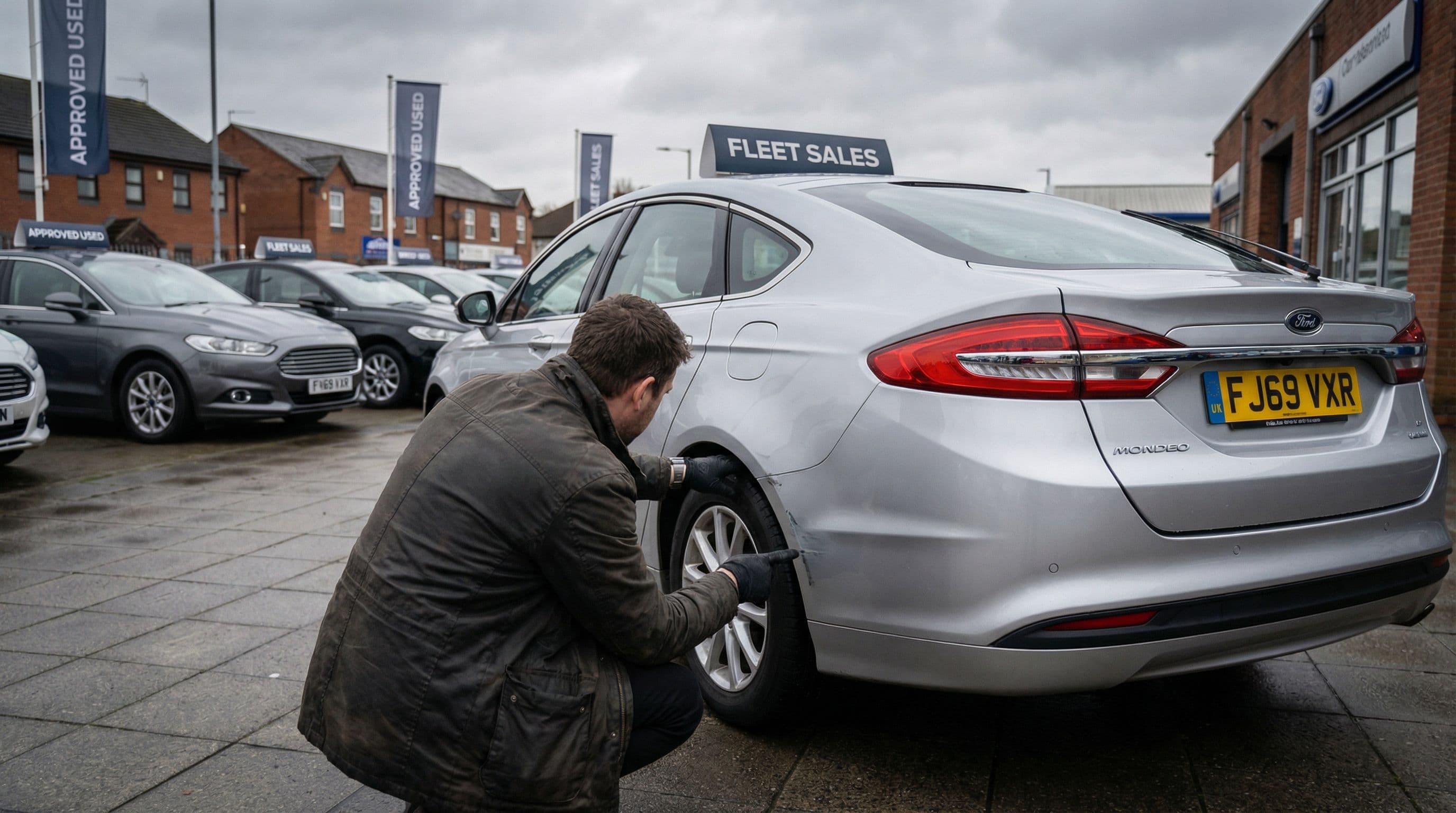
Many franchised dealers offer "Approved Used" or "Certified Pre-Owned" programmes that promise multi-point inspections, additional warranty coverage, roadside assistance, and money-back guarantees. These programmes provide protection in addition to your statutory rights – the dealer cannot reduce your legal rights by offering an alternative warranty. If the approved scheme offers less than the law provides, the law prevails. Independent dealers may also offer warranties – but check whether they're properly insured, as uninsured warranties can be worthless if the company goes bust.
Common Misconceptions
"Main dealers are more trustworthy"
Not necessarily. Both good and bad dealers exist in both categories. What matters is the individual business's practices.
"Independent dealers can say 'sold as seen'"
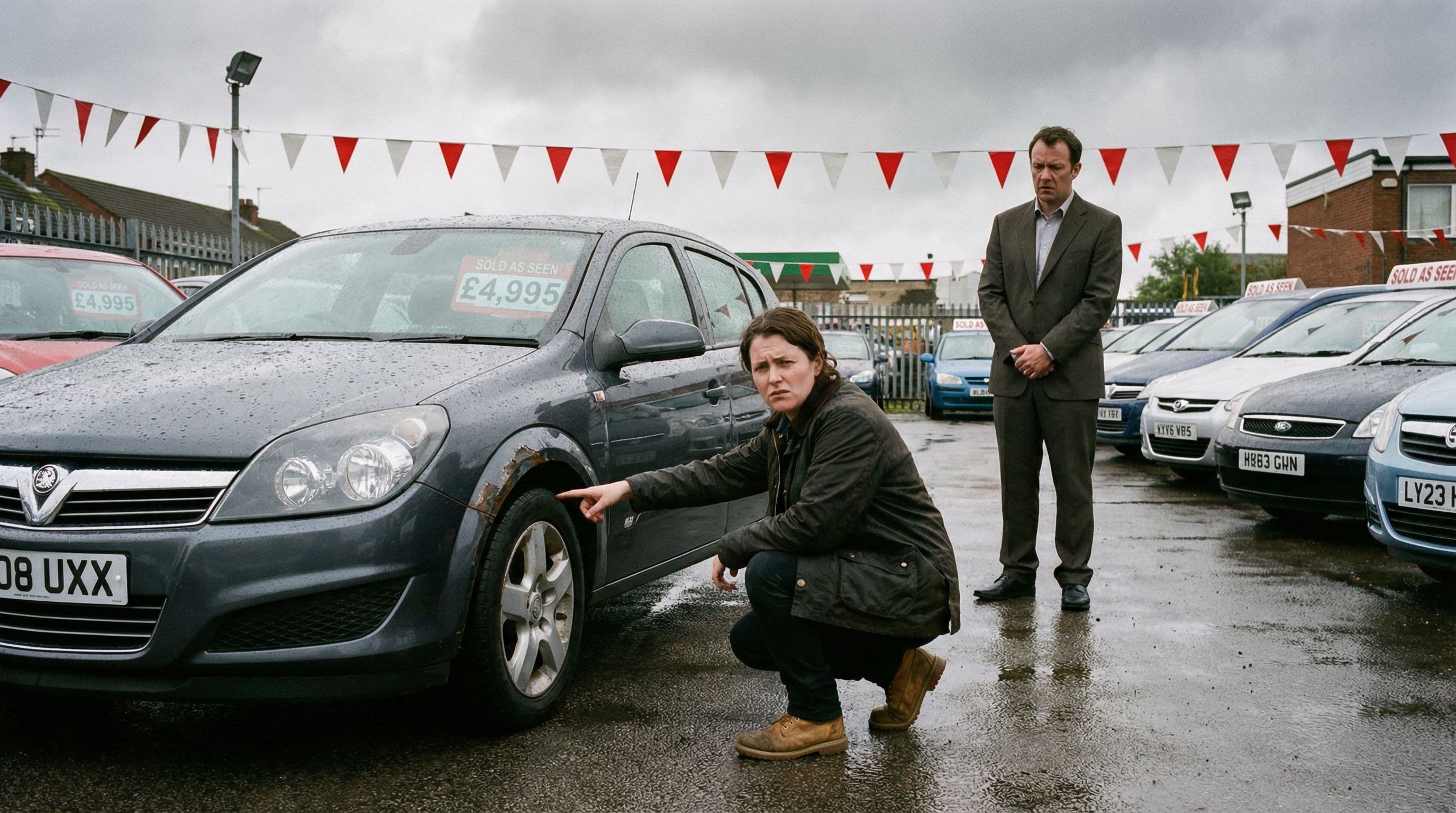
No. Neither type can exclude your consumer rights. "Sold as seen" is meaningless when buying from any trader.
"You get better protection buying from a main dealer"
You get the same legal protection everywhere. Main dealers may have better processes, but that's not the same as more rights.
"Only main dealers do proper inspections"
Good independent dealers inspect thoroughly too. Bad ones in both categories may not. Ask what they check.
Handling Problems: Practical Differences
With a franchised dealer, start with their customer service department, then escalate to the dealer principal if unresolved. From there, complain to the manufacturer's customer service – they won't accept legal liability, but they may pressure the dealer to resolve the issue, care about their brand reputation, and sometimes offer goodwill gestures. If still unresolved, use the Motor Ombudsman if the dealer is accredited, and small claims court as a last resort.
With an independent dealer, contact the owner or manager directly, then put your complaint in writing formally. Check if they're Motor Ombudsman accredited (many aren't), report to Trading Standards if they won't cooperate, and proceed to small claims court if necessary. Both routes lead to the same legal remedies – the path there just looks slightly different.
Finance: Same Protection Either Way
If you financed through PCP, HP, or paid by credit card:
- On PCP or HP, the finance company legally supplied the car and is directly responsible for its quality
- If you paid any part by credit card, Section 75 protection against the card issuer is identical
- Dealer type doesn't affect finance rights
This is particularly useful if dealing with a difficult independent dealer – the finance company may be more responsive.
Making the Right Choice
Franchised dealers offer more formal processes if things go wrong, manufacturer backup, approved used programmes with additional benefits, generally more stable businesses, and potentially better workshop facilities for repairs. Independent dealers often offer lower prices, may have better knowledge of various makes or specialise in specific models, can be more flexible and personal, and the good ones are every bit as trustworthy as main dealers.
Whichever you choose, check whether they're Motor Ombudsman accredited, research their reputation through reviews and word of mouth, find out how long they've been trading, confirm they're FCA-registered if they offer finance, and ask what inspection they carry out before selling.
When Problems Arise
Your rejection letter or formal complaint should be identical regardless of dealer type – reference the Consumer Rights Act 2015, cite the specific sections (9, 10, 11, 22, 24), set out the facts of your case, and state clearly what you want. The legal basis is exactly the same whether you're writing to a BMW dealership or a small independent forecourt.
The Bottom Line
Your legal rights are identical at franchised and independent dealers – neither can exclude consumer rights or hide behind "sold as seen." Franchised dealers have more formal processes and manufacturer backing, but the same legal obligations. Independent dealers vary more widely, but good independents are as reliable as any main dealer. Finance protection is the same regardless of dealer type, and if things go wrong, the law provides the same remedies whichever route you take to buy your car.
Having problems with any type of dealer? Check your car – free, and we handle franchised and independent alike.