
FaultyCar.co.uk may earn a commission if you buy through links on this page. Vehicle history reports are provided and sold by carVertical. This doesn’t affect the price you pay.
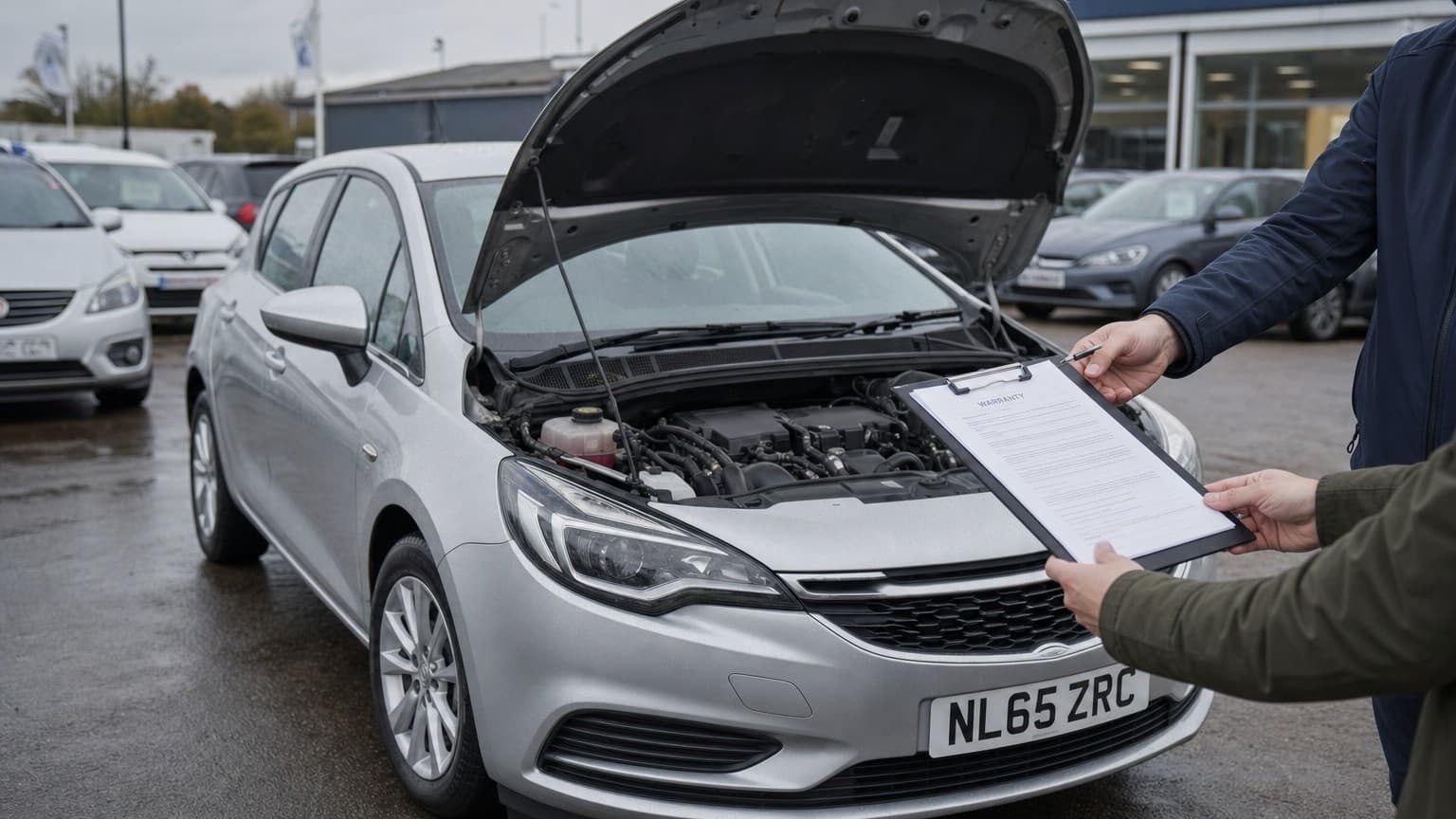
You've bought a used car, only to discover it has outstanding finance on it. This is a serious situation – the finance company legally owns the car and can repossess it, leaving you out of pocket. Here's what you need to know and do.
Why This Happens
When someone buys a car on PCP or HP, they don't own it – the finance company does. They only get ownership when they make the final payment (or balloon payment).
If they sell the car before paying off the finance, the finance company still owns the car and you don't get valid legal title. The finance company can repossess it from you at any time, leaving you out of pocket and chasing the seller for your money.
Not sure which window you are in? Put in your reg and find out, free.
How to Check for Outstanding Finance
Before Buying
Always run a vehicle history check before handing over any money. Services like HPI Check (the industry standard), Experian AutoCheck, and AA/RAC checks cost £10-25 and will flag outstanding finance. It's the single most important check you can do.
After Buying
If you didn't check before and suspect a problem, run an HPI check now. For leased vehicles, contact the BVRLA at bvrla.co.uk. If you suspect specific lenders are involved, contact those finance providers directly to ask whether there's an active agreement on the vehicle.
Your Legal Position
The Finance Company Owns the Car
Under UK law, a hire purchase or PCP agreement means the finance company retains ownership until the finance is fully paid. If the seller didn't clear the finance, they sold something they didn't own.
You May Have to Return It
The finance company can demand the car back. You cannot claim ownership of something that was never the seller's to sell (with limited exceptions – see below).
Your Rights Against the Seller
You have rights against the person who sold you the car. They've breached the implied term that they had the right to sell, and if they told you there was no finance, that's misrepresentation. If they knew about the finance and deliberately deceived you, it may constitute fraud. The difficulty is that exercising these rights means finding the seller and actually getting money from them.
Exception: Buying in Good Faith from a Dealer
Under the Hire Purchase Act 1964, there's an exception:
If you bought the car in good faith (you didn't know about the finance), for value (you paid a reasonable price), and from a motor trader (a dealer, not a private seller), then you may acquire good title and the finance company loses their claim.
Important: This protection does NOT apply to private sales. If you bought from a private seller, the finance company can still repossess.
What to Do Right Now
Step 1: Don't Panic (But Act Quickly)
You have some time, but don't delay. The situation can escalate.
Step 2: Confirm the Finance Status
Run an HPI check if you haven't already. Get documentary proof of the outstanding finance.
Step 3: Contact the Seller
Reach out to whoever sold you the car:
Dear [Seller],
On [date] I purchased [vehicle registration] from you for £[amount].
I have discovered there is outstanding finance on this vehicle with [finance company]. This means you sold me a vehicle you did not have the legal right to sell.
I require you to immediately clear this finance in full, or provide a full refund of my purchase price.
Please respond within 7 days. If the finance is not cleared, I will pursue legal action and report this matter to the police as potential fraud.
Step 4: Contact the Finance Company
Call the finance company and explain that you're the new keeper of the vehicle, that you bought it in good faith, and that you've discovered the finance wasn't cleared. Ask what the outstanding balance is and whether the original borrower is still making payments – this information will help you assess your options.
Step 5: Check Your Purchase Route
If you bought from a dealer, you may be protected under the Hire Purchase Act 1964, and the dealer is clearly liable for selling you a car they didn't own. You have Consumer Rights Act protections on top of this, and the dealer should sort it out – it's their responsibility.
If you bought privately, you have less legal protection. The finance company can repossess the car, and you'll need to pursue the private seller directly for your money back.
Dealer's Liability
If you bought from a dealer, they have:
Breached the Sale of Goods Act 1979 – Section 12 contains an implied term that the seller has the right to sell. Selling a car with outstanding finance is a fundamental breach of this term, entitling you to a full refund.
Breached the Consumer Rights Act 2015 – the car isn't as described because it was sold as theirs to sell when it wasn't. You can reject and claim a full refund.
Potentially committed fraud – dealers who knowingly sell cars with outstanding finance are committing fraud. Report this to Action Fraud and Trading Standards.
Can You Pay Off the Finance Yourself?
In theory, yes – you could pay the outstanding amount to clear the title. But you'd be paying twice for the car and would need to recover the extra payment from the seller. Only consider this if the seller has agreed to reimburse you, and get legal advice first. Some people do this to keep a car they really want, then sue the seller for the additional amount.
What If the Finance Company Contacts You?
They Cannot Immediately Repossess
The finance company should contact you first, explain the situation, and give you reasonable time to respond. They can't simply turn up and take the car without notice.
You Are Not Liable for the Debt
The outstanding finance is between the finance company and the original borrower. You don't owe them money – but they do own the car.
Voluntary Return vs Repossession
If repossession is inevitable, cooperate with the process and get receipts and documentation of everything. This paperwork helps your case against the seller when you pursue them for your money back.
Recovering Your Money
From a Dealer
Start by writing to the dealer demanding a full refund. If they refuse, escalate to The Motor Ombudsman and consider small claims court if necessary. Report them to Trading Standards regardless – they need to know about dealers selling cars with outstanding finance.
From a Private Seller
Send formal demands in writing, followed by a letter before action if they don't respond, then pursue through small claims court. The challenge with private sellers is that they may have already spent the money, they can be difficult to trace, and even a court judgment doesn't guarantee you'll actually get paid.
If You Paid by Credit Card
If you paid any part of the purchase (even just a deposit) by credit card to a dealer, Section 75 of the Consumer Credit Act makes the credit card company jointly liable. Claim the full amount back through your credit card provider – this is often the easiest recovery route because credit card companies have straightforward claims processes and are obligated by law to reimburse you.

Police Report
If the seller knew about the finance and sold anyway, this is fraud. Report it to Action Fraud (the UK's fraud reporting centre) and your local police, especially if you know the seller's identity. A crime reference number helps your civil case and may lead to prosecution.
Prevention: Always Check Before Buying
This situation is entirely preventable. Run an HPI check before paying – £10-25 could save you thousands. Check the V5C to confirm the seller's name matches, and ask directly about outstanding finance in writing so you have a record of what they told you. Be suspicious of below-market prices, and if buying privately, meet at the seller's home address to verify it matches the V5C. See our car history check guide and red flags guide for what else to look out for.
The Bottom Line
Outstanding finance means the finance company owns the car, and they can repossess it regardless of how much you paid or how innocently you bought it. If you bought from a dealer, you're in a stronger position – the Hire Purchase Act 1964 may protect your title, and the dealer is clearly liable for selling you something they didn't own. Private purchases are riskier because you'll likely lose the car and face an uphill battle recovering your money from the seller. If you paid by credit card, Section 75 gives you a straightforward recovery route through your card provider. The single best piece of advice is prevention: always run an HPI check before buying. At £10-25, it's the cheapest insurance you'll ever buy.
Discovered finance on a car you bought from a dealer? Check your car – free, and we can help you claim against the dealer.
Related topics