
FaultyCar.co.uk may earn a commission if you buy through links on this page. Vehicle history reports are provided and sold by carVertical. This doesn’t affect the price you pay.
Buying a car privately – from Facebook Marketplace, Gumtree, Auto Trader, or a neighbour – is very different from buying from a dealer. Your rights are significantly weaker, and the principle of "buyer beware" largely applies.
Here's what protection you actually have, and what you can do when things go wrong.
The Key Difference: Consumer Rights Act Doesn't Apply
The Consumer Rights Act 2015 only protects you when buying from a trader (business). When you buy from a genuine private seller, none of the usual consumer protections apply. There's no "satisfactory quality" requirement, no "fit for purpose" test, no 30-day right to reject, no right to repair or replacement, and typically no finance company protection.
In plain terms, a private seller can legally sell you a car with known faults, as long as they don't actively lie about it. That's a harsh reality, but it's the law.
Not sure which window you are in? Put in your reg and find out, free.
What Rights DO You Have?
You're not completely unprotected. Three important rights still apply to private sales.
1. The Car Must Match Its Description
Under the Sale of Goods Act 1979 (which still applies to private sales), the car must be "as described." If the seller said the car has full service history, it must have it. If they claimed 60,000 miles, the mileage must be accurate. If they described it as "mechanically sound," that's an actionable statement if the engine seizes a week later. Every specific claim the seller makes about the car becomes part of the contract.
2. The Seller Must Have the Right to Sell
The seller must legally own the car or have authority to sell it. If you unknowingly buy a stolen car or one with outstanding finance, the finance company or rightful owner can take it from you – and your only recourse is against the seller.
3. No Deliberate Misrepresentation
The seller cannot deliberately lie or deceive you. This covers hiding known faults, lying about the car's history, clocking the mileage, or pretending to be a private seller when they're actually a trader.
Misrepresentation: Your Main Protection
If the seller lied about the car, you may have a claim under the Misrepresentation Act 1967.
Types of Misrepresentation
Fraudulent misrepresentation – They knew it was false
- Example: Seller knows the car was in an accident, says it wasn't
- You can claim: Full refund plus damages
Negligent misrepresentation – They should have known better
- Example: Seller says "it's never had any problems" without checking
- You can claim: Full refund or damages
Innocent misrepresentation – They genuinely believed it was true
- Example: Seller didn't know the mileage was clocked
- You can claim: Rescission (undo the sale) only, no damages
What You Need to Prove
- A false statement was made
- It was a statement of fact (not opinion)
- It induced you to buy
- You suffered loss as a result
Common Private Sale Problems
"I Had No Idea About the Fault"
If the seller genuinely didn't know about a problem, you have very limited recourse. Unlike dealers, private sellers don't have a duty to check or inspect before selling.
Hidden Write-Off Status
If they didn't tell you (but didn't claim it wasn't a write-off either), you're in a grey area. But if the listing said "no write-offs" or "excellent history," that's misrepresentation.
Outstanding Finance
If there's finance on the car, the finance company can repossess it from you. Your recourse is against the seller, but good luck finding them or recovering money.
Clocked Mileage
Mileage clocking is fraudulent misrepresentation. You can claim a full refund, though enforcement may be difficult.
Traders Posing as Private Sellers
This is illegal and unfortunately common. Some dealers list cars as "private sales" on Facebook Marketplace and Gumtree specifically to avoid consumer rights liability. For a detailed guide on spotting this scam, see our article on "trade sale" and private sale fraud.
Warning signs include the seller having multiple cars for sale at once, unusually professional photos, wanting to meet at a random location rather than their home, asking for payment to a business account, or being reluctant to provide their home address. If something about the sale feels "too professional" for a private seller, trust that instinct.
If a trader pretends to be private, they're committing an offence under the Consumer Protection from Unfair Trading Regulations 2008. More importantly for you, all your Consumer Rights Act protections apply because they're actually a trader – including the 30-day right to reject and the requirement for satisfactory quality.
How to Prove They're a Trader
Start by searching their name on Companies House. Reverse image search the listing photos to see if they appear on dealer websites. Look for the same phone number on other listings across multiple platforms, and check whether the address they give is actually a business premises. If you can demonstrate they're trading, you unlock the full set of consumer rights.
What to Do If You've Been Misled
Step 1: Gather Evidence
- Screenshot the original listing (if still available)
- Get any texts/messages where claims were made
- Get an independent inspection documenting the faults
- Check MOT history for evidence contradicting their claims
Step 2: Contact the Seller
Write to them (keep proof):
Dear [Seller name],
On [date] I purchased [vehicle] from you for £[amount] based on your representation that [the specific false claim].
I have since discovered that [the truth]. This is clear misrepresentation under the Misrepresentation Act 1967.
I am entitled to rescind this contract and require return of my money. Please confirm within 14 days how you propose to resolve this.
If I do not receive a satisfactory response, I will pursue this matter through the courts.
Step 3: Letter Before Action
If they don't respond, send a formal "Letter Before Action" giving 14 days to resolve before you issue court proceedings.
Step 4: Small Claims Court
For claims up to £10,000, you can use the small claims court. The fee is relatively low and you don't need a solicitor.
The challenge: Even if you win, you need to enforce the judgment. Private sellers may not have the money, or may be hard to trace.
Prevention Is Better Than Cure
Because your rights are so limited, take extra care when buying privately:
Before You Go
- Run a full history check – HPI, Experian, or similar
- Check MOT history – free, shows mileage and advisories
- Verify the seller's identity – match the V5C to their ID
- Check the V5C – is the seller the registered keeper?
At the Viewing
- View at their home address – matches the V5C
- Check the VIN matches the V5C (dashboard and door frame)
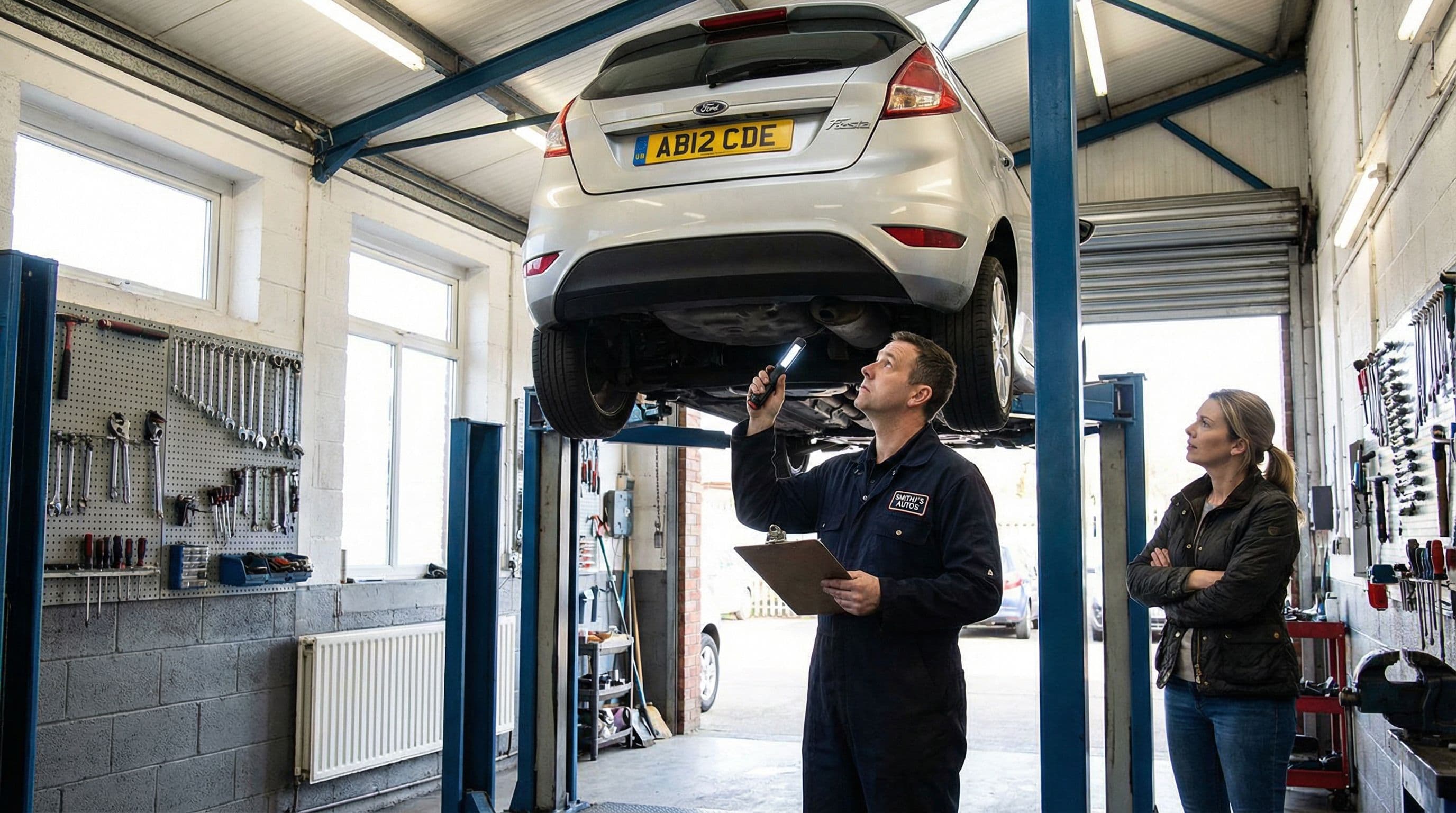
- Inspect thoroughly or pay for a pre-purchase inspection
- Test drive on different road types
- Look for red flags
The Paperwork
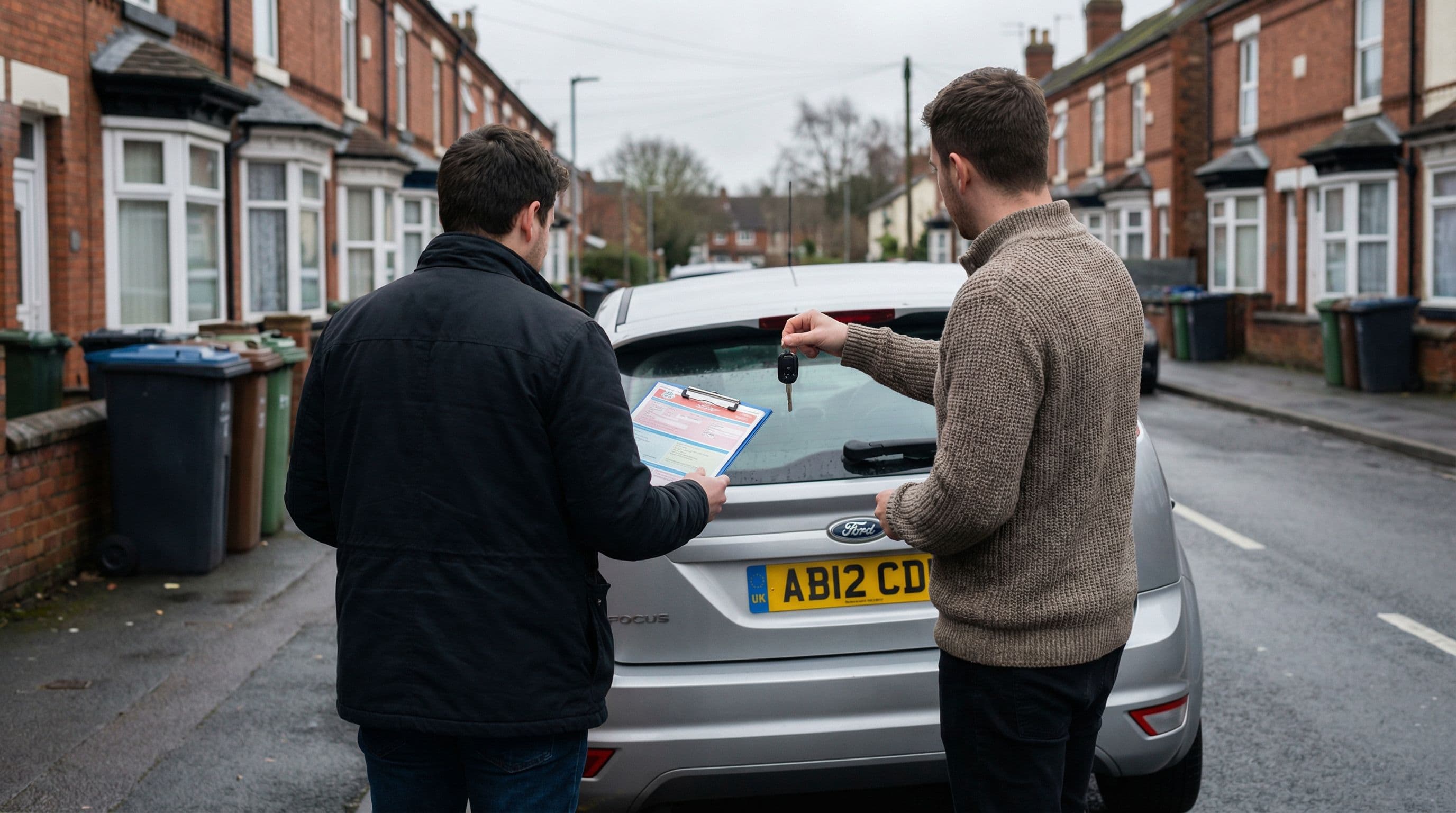
- Get a receipt with the seller's name, address, the price, and vehicle details
- Record any verbal promises in writing (text/email them saying "just to confirm you said...")
- Pay by bank transfer – creates a paper trail to a traceable account
- Never pay cash – untraceable and suspicious
What About Buying Through Facebook Marketplace?
Facebook Marketplace is just a platform connecting buyers and sellers – it doesn't offer buyer protection for vehicles (unlike smaller goods under £500), provides no way to verify sellers, and has no escrow or payment protection. The same limited private sale rights apply, making Facebook one of the riskiest places to buy a car. Be extra cautious, and never skip the checks outlined above just because the seller seems friendly or local.


Can You Realistically Get Your Money Back?
It's worth being honest about this. Private sale disputes are difficult to win. You need to prove misrepresentation (not just that the car is faulty), the seller may deny making the claims you allege, enforcement of court judgments against individuals is hard, and the legal costs may exceed the car's value for cheaper vehicles.
Your best chances of success come when you have written evidence of false claims – text messages, the original listing screenshot, or emails. Cases involving clear, significant misrepresentation like mileage clocking or a hidden write-off status are much stronger than disputes over vague verbal claims. The seller also needs to be traceable and have assets worth pursuing, which rules out a significant number of private sale disputes.
The uncomfortable truth is that prevention is far more effective than cure when buying privately. Spending £150 on an HPI check and a pre-purchase inspection before you hand over thousands is always better than trying to recover your money afterwards.
If you bought from someone who turned out to be a trader, or you have clear evidence of misrepresentation, check your car — it's free, and we can help you assess your options.
Related topics