
Key takeaways
- Toyota, Mazda, Hyundai, Kia, Nissan, BMW, Mini and Mercedes-Benz fit chains to most recent engines
- Volvo, Fiat’s small petrols and VW Group’s newer TSI petrols and TDI diesels use a belt
- Ford, Peugeot and Vauxhall have moved some engines from a belt in oil to a chain
- Most chains have no change interval, but several have been recalled or covered for longer
- A chain that fails soon after you buy from a dealer is a matter for the dealer under the Consumer Rights Act 2015
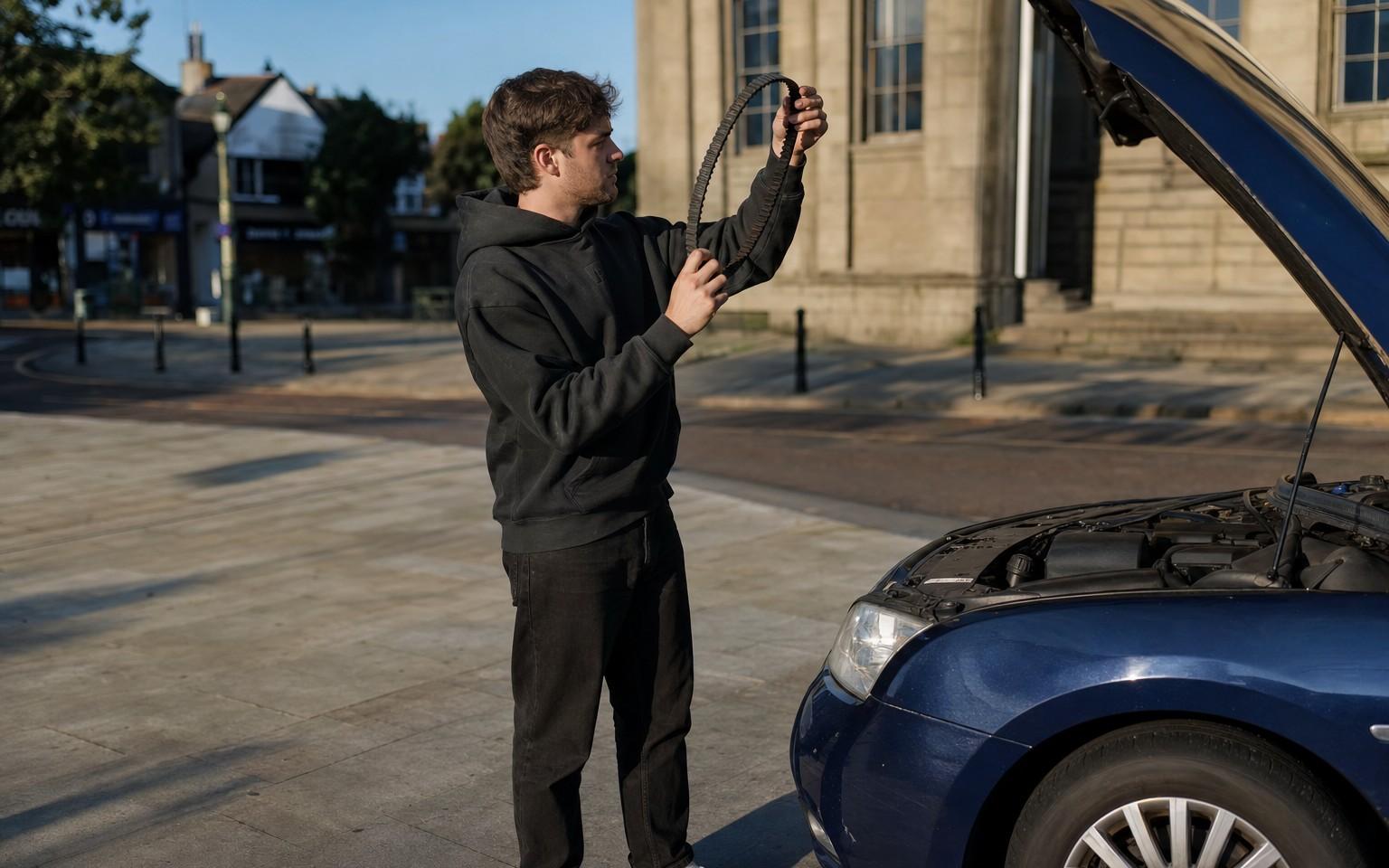
A timing chain does the same job as a cambelt. It turns the camshafts in step with the crankshaft, so that every valve opens and closes at the right moment for its piston. For you as an owner, the difference is in the service schedule. A belt has a change date, by years or miles. A chain usually has none, though a few engines have a known weakness, and when a chain stretches or snaps the engine is usually badly damaged.
Below is what we could confirm for the makes UK buyers ask about, in alphabetical order. Most of it comes from Auto Express’s used-car buyer’s guides, which say model by model whether there is a cambelt to change; where a maker’s own documents say it, we use those. Where the sources disagree, or say nothing, we tell you.
Checking one car? Our free belt or chain check takes your registration and tells you whether the engine has a chain or a belt in oil, for every engine in our fault guides. For anything else, a franchised dealer can read it from the VIN.
The list, make by make
Audi, Seat, Skoda and Volkswagen
Mostly belts now, with chains on older and larger petrols.
- The smaller TSI petrols of recent years (1.0, 1.4 and 1.5). A belt. Honest John noted in 2013 that Volkswagen had gone back to a belt for its new 1.4 TSI. Auto Express says every engine has a cambelt in the Golf and Octavia from 2020, the Polo from 2018, the Fabia of 2015–2021 and the Audi A1 from 2018. Two of its guides disagree, calling the petrols chain-driven in the Leon from 2020 and the Superb of 2015–2024, so a dealer’s VIN check settles those.
- The earlier 1.2 and 1.4 TSI, and the 1.8 and 2.0 TFSI. Chains. In the same answer, Honest John listed the 1.2 TSI and the 1.4 TSI of 122 to 180 PS as chain-driven, and its review of the 2008–2015 Audi A4 calls its 1.8 and 2.0 TFSI “chain cam” engines.
- The TDI diesels. A belt. Auto Express says every diesel in the Audi A3 of 2012–2020 has one, due every five years or 75,000 miles, and its Leon, Superb and Ibiza guides give their diesels a cambelt too.
BMW and Mini
Chains. Auto Express says every engine is chain-driven in the BMW 1 Series from 2019 and 5 Series of 2017–2024, and in the Mini hatch of 2014–2024 and Countryman of 2017–2024.
Three of these chain engines have a record. The 2.0 N47 diesel’s chain sits at the back of the engine, where engineers told BBC Watchdog it was “supposed to last the life-time of the car”. BMW extended its US cover on the 2.0 N20 petrol’s chains to seven years or 70,000 miles. On the Mini Cooper S of 2007–2013, Autocar says “it’s the hydraulic tensioner rather than the chain that’s the culprit”. Our guides: BMW N47, BMW N20 and Mini Cooper petrol.
Citroën, DS and Peugeot
Both, depending on the engine.
- 1.0 and 1.2 PureTech petrol. A belt in oil. Peugeot UK’s own page speaks of “premature degradation of the timing belt”. Auto Express gives the Citroën C3 of 2017–2024 a petrol cambelt change every six years or 64,000 miles. A non-hybrid PureTech built from 2023 can have either a belt or a chain, so check yours.
- Turbo 100 petrol. A chain. Peugeot says its newest petrol in the 208 and 2008 has “no timing belt to replace”.
- 1.0 petrol in the Peugeot 108 (2014–2022). A chain, says Auto Express. It is a different engine from the PureTech.
- 1.5 BlueHDi diesel, built October 2017 to January 2023. A chain, and one with a known weakness. The DVSA recalled these engines in July 2025 for “premature wearing of the camshaft drive chain”, and Stellantis covers the chain for ten years or 150,000 miles, with conditions. See our 1.5 BlueHDi guide.
Fiat
Belts on most petrols. Auto Express says the 500 from 2008 has a cambelt on its 1.2 and 1.4 petrols, every six years or 72,000 miles, but a chain on the TwinAir and the diesel. The Panda of 2012–2024 has a cambelt on both petrols and a chain on the diesel. Every 500X engine bar the FireFly petrols has a cambelt, and every Tipo engine except the 1.3 Multijet diesel has one, due every four years.
Ford
Ford has used belts, belts in oil and chains, and its own specification sheets are the clearest guide.
- 1.0 EcoBoost petrol. Ford’s 2017 Fiesta sheet lists a “Low friction Belt-in-Oil”; a later Fiesta sheet, from 2022, lists a “Chain drive with hydraulic tensioner” for the same size of engine. Parkers dates the switch to 2018 and says the Puma from 2019 should have a chain. A 2018 car can have either. Our 1.0 EcoBoost guide has the detail.
- 1.5 EcoBoost petrol. A chain, in Ford’s sheet for the Kuga from 2020.
- Diesels. Belts. The same Kuga sheet gives the 2.0 EcoBlue a “belt-in-oil”, and the 1.5 EcoBlue a belt with a short chain between its camshafts. The 1.5 TDCi in the 2017 Fiesta has a plain timing belt.
- Two less-asked engines. Ford’s sheets list a belt in oil on the 1.1 petrol in the 2017 Fiesta and the 2.5 plug-in hybrid in the 2020 Kuga.
Auto Express’s Focus and Kuga guides disagree with Ford’s sheets in places, so we have gone by Ford.
Honda
Chains on the Jazz from 2020, which Auto Express says is chain-driven throughout. The exception people ask about is the Civic’s 1.0 petrol of 2017–2022, whose “‘wet belt’ design” Parkers blames for clogged turbos. Auto Express’s Civic guide calls every engine chain-driven, but on the 1.0 the rest of the evidence says belt. We found nothing either way for the Jazz of 2015–2020, the CR-V or the HR-V, so ask a Honda dealer.
Hyundai and Kia
Chains on the petrols. Auto Express says every engine is chain-driven in the Hyundai i10 from 2019, i20 from 2020 and Tucson of 2015–2020, and in the Kia Picanto from 2017 and Niro of 2016–2022. The 1.6 T-GDi in the Tucson from 2020 and the petrol Ceed and Sportage have chains too. The Kona’s 1.0 T-GDi “can rattle when starting cold” because its camshaft chain touches the cam cover, says the same magazine. The belt is on the 1.6 CRDi diesel, due every 44,000 miles on the Sportage from 2022.
Jaguar and Land Rover
A chain on the 2.0 Ingenium diesel from 2015, which Autocar warns “can stretch, and if left too long it will snap”. See our Ingenium guide. Auto Express says every engine is chain-driven in the Range Rover Evoque from 2018 and the Jaguar XE, and that no F-Pace engine has a cambelt. Older models are less clear: its guide to the first Evoque gives a cambelt change at about 108,000 miles, and its Discovery Sport guide says the diesels have one, which does not fit the Ingenium’s chain. Neither guide names the engine, so check yours by VIN.
Mazda
Chains. Auto Express says every engine is chain-driven in the Mazda 2 of 2015–2025, the Mazda 3 of 2014–2019 and from 2019, the CX-30 from 2020 and the CX-5 from 2017.
Mercedes-Benz
Chains, almost everywhere. Auto Express says every engine is chain-driven in the A-Class from 2013, the E-Class of 2016–2023 and the GLA from 2020. Being chains does not make them trouble-free. In 2022 Mercedes recalled 714 UK E-Class and C-Class cars built 2016–2019 to replace the camshaft timing chain, and the 2.1 diesel was recalled in 2014 over its chain tensioner’s seal: see our OM651 guide.
The one doubt is the A 180 d. Auto Express’s launch review says its 1.5 diesel was co-developed with Renault, whose 1.5 diesel has a cambelt. We could not confirm which the Mercedes uses, so a dealer’s VIN check is the way to know.
Nissan
Chains on the petrols. What Car? says every engine in the Qashqai of 2014–2021 has a chain except the 1.5 diesel, which needs a cambelt every five years or 75,000 miles, and it reports rattling chains on the 1.2 petrol. Auto Express says every engine is chain-driven in the Qashqai from 2021, the Juke from 2019, the Micra from 2016 and the X-Trail of 2013–2022.
Renault and Dacia
Chains on the newer petrols, belts on the 1.5 diesel and the old 1.2. Auto Express says every Clio engine from 2019 is chain-driven and that no Captur engine from 2020 has a cambelt. On the Dacia Sandero, the three-cylinder petrol from 2020 has no cambelt, and on the 2013–2020 car the 0.9 TCe has a chain while the 1.2 and the 1.5 dCi have belts. The Duster of 2018–2024 is mostly chain-driven, apart from the 1.5 diesel.
Toyota
Chains. Auto Express says every engine is chain-driven in the Yaris from 2020, the Corolla from 2019 and the C-HR of 2017–2023, and that the Aygo from 2014, the RAV4 of 2013–2018 and the Prius of 2015–2022 have no cambelt.
Vauxhall
Both, and the year matters.
- Corsa, 2014–2019. Chains throughout, says Auto Express.
- Corsa from 2019, Mokka from 2021, Astra of 2015–2022. Chains, except the 1.2 turbo petrol, which has a belt in oil on all three by What Car? and Auto Express’s accounts. What Car? says the Corsa’s 1.2 gained a chain from 2023 and that the hybrids have one. Vauxhall changed over at different times for different models, so a 2023 or 2024 car can have either. Our Vauxhall 1.2 guide goes model by model.
- 1.5 diesel (Turbo D). A chain, recalled in July 2025 with the Peugeot and Citroën versions.
- Mokka X, 2012–2019. We found no reliable source either way. A Vauxhall retailer can tell you from the VIN.
Volvo
Belts. Auto Express says every engine has a cambelt in the XC40 from 2018, the XC60 from 2017, the XC90 from 2014 and the V40. On the XC90 the change is due every ten years, capped at 90,000 miles on diesels and 108,000 on petrols.
Not sure which window you are in? Put in your reg and find out, free.
Chain or belt: what is the difference?
A belt is toothed rubber, and it wears. The RAC says it “wears down and can snap”, which is why every belt engine has a change interval. Those intervals vary more than most people expect. In the guides above they run from every four years on the Fiat Tipo to every ten on Volvo’s XC90, and some depend on miles alone.
A chain is metal and is normally expected to last much longer. That does not make every chain engine the better buy: a belt change is a known cost on a known date, while a weak chain gives no such notice.
Do timing chains need replacing?
Not on a schedule, in nearly every case. CompleteCar’s expert put it this way in January 2026: “there is no set replacement schedule for timing chains”, though “sometimes they must be replaced due to wear or damage”.
The warning sign is usually noise. A worn chain or tensioner tends to rattle, often on a cold start, and the rattle should be checked rather than lived with. Servicing matters on these engines too: Stellantis pays back earlier 1.5 BlueHDi chain repairs only where the car was maintained as the brand recommends. If the car you are buying has one of the engines named above, ask whether the chain has been inspected or renewed, and look for oil changes on time.
What if the chain fails soon after you buy from a dealer?
Most chains have no change interval, so an early failure turns on whether the fault was there, or developing, when you bought the car. Under the Consumer Rights Act 2015, that is the dealer’s responsibility, not the maker’s, and the time since you bought the car decides what you can ask for.
First 30 days
Short-term right to reject
Your strongest right. Reject outright and demand a full refund with no deduction. The dealer cannot insist on repairing it first, and the refund is due within 14 days.
30 days – 6 months
One repair, then reject
Allow one repair or replacement. If it fails (or they refuse), you gain the final right to reject. The fault is presumed present at purchase, so the burden is on the dealer.
6 months – 6 years
Rights continue — you prove it
You must show the fault was present or developing at sale, usually via an independent inspection. Claims run up to 6 years in England & Wales (5 in Scotland).
You can bring a claim for up to 6 years after the purchase (5 in Scotland). On hire purchase or PCP, the finance company supplied the car in law and carries the same responsibility as a dealer; it has 8 weeks to give a final response to a complaint, and after that you can go to the Financial Ombudsman Service.
Get the failure diagnosed in writing, keep the old parts, and put it to the dealer in writing, with your service history. How long you have to reject a car sets out each window, and our guide to timing chain failure covers warranties and the replies dealers most often give.

Or have the letter written from your answers.
- Enter your reg
- Get your verdict
- Reject your faulty car
Free · No card · About 2 minutes
Frequently asked questions
Yes, for many engines. Our free check at /tools/wet-belt-check reads your car’s make, fuel, engine size and year from its DVSA record and says whether the engine has a timing chain or a belt in oil, for every engine covered by our fault guides. If it has no data for your engine, a franchised dealer for the make can look it up from the VIN printed on your V5C.
Nearly all recent ones, going by Auto Express, which says every engine is chain-driven in the A-Class from 2013, the E-Class of 2016–2023 and the GLA from 2020. The question mark is the A 180 d’s 1.5 diesel, which Mercedes co-developed with Renault. Renault’s own 1.5 diesel has a cambelt, and we could not confirm which the Mercedes has, so ask a Mercedes-Benz dealer to check that one by VIN.
Auto Express says the Yaris from 2020, the Corolla from 2019 and the C-HR of 2017–2023 are chain-driven, and that the Aygo from 2014, the RAV4 of 2013–2018 and the Prius of 2015–2022 have no cambelt. We found no recent UK Toyota car listed with a timing belt.
Only some. What Car? says the 1.2 petrol Corsa of 2019–2023 has a belt that runs in oil, and that later cars and the hybrids have a chain; Vauxhall made the change at different times for different models, so a 2023 car can have either. The Corsa of 2014–2019 is chain-driven throughout, says Auto Express.
Not on a schedule, in most engines. A chain is normally left alone unless it wears or is damaged, which usually shows as a rattle, often on a cold start. Some engines have a record of early chain wear: Stellantis’s 1.5 BlueHDi diesel was recalled in the UK in 2025, and Mercedes recalled 714 E-Class and C-Class cars in 2022 to replace the chain.
A chain usually has no change interval, which saves the cost of a belt change every few years. It is not fault-free: chains can stretch and tensioners can fail, and on an engine with a known weakness the repair often costs far more than a belt change. What matters most is the engine you have, and its service history.
Have a question this didn’t answer?
Ask it in Faulty Car Advice UK, our Facebook group for drivers dealing with a faulty car.
Related topics