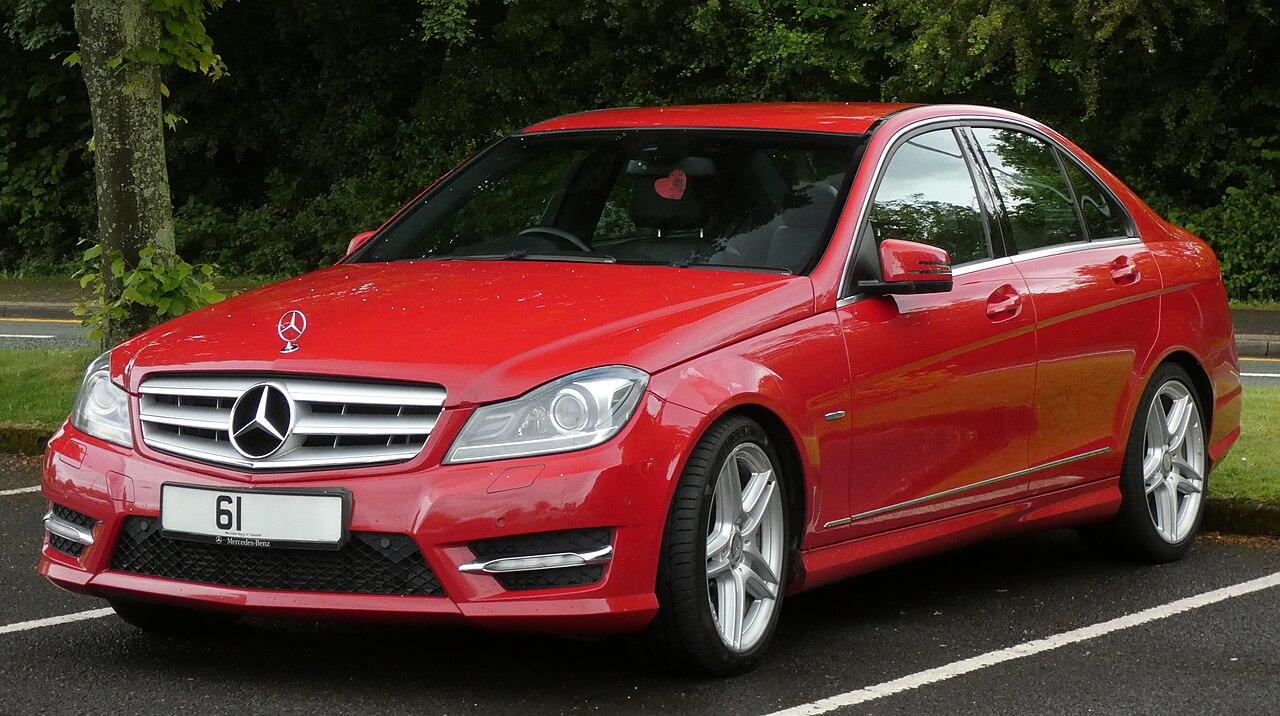
Which Mercedes have the OM651 engine?
Most four-cylinder Mercedes diesels sold from late 2008, from the A-Class to the Sprinter van, with a 2,143cc engine.
Mercedes launched the engine in the C-Class in autumn 2008 and said from the start that it would spread across the range, the Sprinter included. It became the most-built engine Mercedes had made. Its 1,950cc successor, the OM654, made its debut in the E-Class of 2016.
Models affected
Only the four-cylinder OM651 diesel: 2,143cc, or 1,796cc in some early A, B and CLA models. The older 2.1 diesel it replaced (2,148cc), the 1,950cc engine that followed it and the petrol engines are not part of this. The same engine was also fitted to the CLS, SLK, Viano and V-Class.
- Mercedes-Benz C-Class2008–2018
C 200, C 220 and C 250 CDI, then BlueTEC and d, and the C 300 h. Some C 200 d models have a 1.6 instead
- Mercedes-Benz E-Class2009–2017
E 200, E 220 and E 250 CDI and BlueTEC. Saloon and estate to 2016, coupé and cabriolet to 2017
- Mercedes-Benz SprinterFrom 2009
Four-cylinder 2.1 vans such as the 313 and 316 CDI. The Sprinter launched in 2018 kept it in some versions
- Mercedes-Benz A-ClassFrom 2012
A 200 and A 220 diesels. Early A 180 and A 200 CDIs have the 1.8 version
- Mercedes-Benz VitoFrom 2010
110, 113 and 116 CDI from 2010, then 114, 116 and 119 from 2014
- Mercedes-Benz GLAFrom 2014
GLA 200 and GLA 220, CDI then d
- Mercedes-Benz CLAFrom 2013
CLA 200 and CLA 220, CDI then d. Early CLA 200 CDIs have the 1.8 version
- Mercedes-Benz B-Class2011–2018
B 180, B 200 and B 220 CDI, then 200 d and 220 d. Early B 180 and B 200 CDIs have the 1.8 version
- Mercedes-Benz GLC2015–2019
220 d and 250 d, SUV and Coupé
- Mercedes-Benz M-ClassFrom 2011
ML 250 BlueTEC only
| Model | Built | Notes |
|---|---|---|
| Mercedes-Benz C-Class | 2008–2018 | C 200, C 220 and C 250 CDI, then BlueTEC and d, and the C 300 h. Some C 200 d models have a 1.6 instead |
| Mercedes-Benz E-Class | 2009–2017 | E 200, E 220 and E 250 CDI and BlueTEC. Saloon and estate to 2016, coupé and cabriolet to 2017 |
| Mercedes-Benz Sprinter | From 2009 | Four-cylinder 2.1 vans such as the 313 and 316 CDI. The Sprinter launched in 2018 kept it in some versions |
| Mercedes-Benz A-Class | From 2012 | A 200 and A 220 diesels. Early A 180 and A 200 CDIs have the 1.8 version |
| Mercedes-Benz Vito | From 2010 | 110, 113 and 116 CDI from 2010, then 114, 116 and 119 from 2014 |
| Mercedes-Benz GLA | From 2014 | GLA 200 and GLA 220, CDI then d |
| Mercedes-Benz CLA | From 2013 | CLA 200 and CLA 220, CDI then d. Early CLA 200 CDIs have the 1.8 version |
| Mercedes-Benz B-Class | 2011–2018 | B 180, B 200 and B 220 CDI, then 200 d and 220 d. Early B 180 and B 200 CDIs have the 1.8 version |
| Mercedes-Benz GLC | 2015–2019 | 220 d and 250 d, SUV and Coupé |
| Mercedes-Benz M-Class | From 2011 | ML 250 BlueTEC only |
The engine
- Engine
- OM651, 2.1-litre (2,143cc) four-cylinder turbodiesel
- Badges
- CDI, BlueEFFICIENCY, BlueTEC and d, such as C 220 CDI, E 250 CDI, GLC 220 d, Sprinter 313 CDI and Vito 116
- Timing drive
- Gears and one short chain, at the back of the engine
- Chain tensioner
- Hydraulic, fed by engine oil. Its seal was recalled on engines built in 2014
- In production
- From autumn 2008. The 1,950cc OM654 succeeded it from 2016
- Smaller version
- 1.8-litre (1,796cc), in some early A-Class, B-Class and CLA diesels
The badge will not settle it, because CDI, BlueTEC and d have been used on several engines. Look at the engine size on the V5C. This one is 2,143cc. The older 2.1 diesel it replaced, fitted to cars until about 2009 and the Vito until 2010, is 2,148cc. Some early A-Class, B-Class and CLA diesels used a 1.8 version at 1,796cc.
If you bought a Sprinter or Vito for work, one thing changes. The Consumer Rights Act 2015 protects consumers, so a van bought by a business falls outside it. On hire purchase with credit under £25,000, the Ombudsman has applied the Supply of Goods (Implied Terms) Act 1973 instead, which also requires satisfactory quality.
What does a worn OM651 chain sound like?
A short rattle from the back of the engine on a cold start. It can be the only warning you get.
An independent Mercedes specialist in London describes the first sign as a rattle lasting two or three seconds after a cold start. Later come fault codes for camshaft and crankshaft timing, P0016 and P0017. On cars built in 2014 there is one more thing to look for: oil weeping from the chain tensioner.
- 1
A rattle from the back of the engine for two or three seconds after a cold start.
- 2
Oil seeping from the chain tensioner, on 2014-built engines whose recall work was never done.
- 3
The engine warning light, with fault codes for camshaft and crankshaft timing.
- 4
Rough running or misfiring.
- 5
The tensioner gives way, the chain jumps, and the engine is wrecked.
Caught here: a new chain, tensioner and guides at an independent specialist, £1,300 to £1,800
Left to here: a replacement engine, more than £11,000 before VAT in one reported case
Why does the chain fail?
An oil-fed tensioner keeps the chain taut. If the tensioner leaks, loosens or wears, the chain slackens and can jump.
Most engines drive their camshafts from the front. Mercedes put this one’s drive at the back, at the gearbox end, saying it made the engine smoother and helped meet pedestrian protection rules. Gears do most of the work, with one very short chain.
That chain relies on a hydraulic tensioner that runs on engine oil. In the 2014 recall, Mercedes explained that the tensioner’s seal on some engines could settle over time, easing the pressure on the chain and letting oil escape. A Mercedes spokeswoman called it “a defective sealing ring on the timing chain tensioner”. German trade press reported that a tensioner short of oil could let the chain jump, destroying the engine in the worst case.
Outside that batch, the London specialist says chain stretch on these diesels is less common than on petrol engines but still happens, particularly where oil changes were missed. Honest John recorded a 2010 E200 CDI with a full Mercedes service history whose tensioner failed and sent the chain “through the block”.
How much does it cost to fix?
About £1,300 to £1,800 at an independent specialist before anything breaks. One reported engine replacement came to more than £11,000 before VAT.
The London specialist charges £1,300 to £1,800 for a new chain, tensioner and guides on a C-Class or E-Class. That includes parts, labour, an oil change and the diagnostic reset afterwards. It puts main dealer prices 50 to 80% higher.
Once the chain has slipped, the sums change. The 2010 E200 CDI needed a new engine, quoted at £9,362 in parts and £2,241 in labour, both before VAT. Prices have risen since that 2015 report.
What has Mercedes said?
It recalled engines built in 2014 to replace the tensioner seal. It has recalled no others for the chain, and help beyond that is goodwill.
In January 2015 Mercedes-Benz UK recalled 61,672 cars, 21,679 Sprinters and 5,358 Vito, Viano and V-Class vans built between February and November 2014, to fit a new chain tensioner sealing ring. Another 99 Sprinter-based buses followed in February. DVSA’s record warns that “if excessive oil is lost engine damage may occur”. In the US, Mercedes told its dealers the job takes about an hour and a half.
The recall replaced the seal and nothing else. DVSA’s records hold no recall for chain wear on any other OM651, and we found no statement from Mercedes about the chain outside the 2014 batch.
Goodwill does happen. On the E200 CDI above, Mercedes paid 75% of the engine parts and half the labour, leaving the owner £4,153 to find. That is one reported case, from 2015, on a car with a full Mercedes service history.
Who pays for an OM651 timing chain?
Mercedes paid for the 2014 seal recall and may offer goodwill. Past that, the dealer or the finance company answers for the car’s quality.
Mercedes-Benz
Recalled cars and vans built from February to November 2014 to replace the chain tensioner seal, at no cost to owners. There is no UK recall for chain wear on any other OM651. Goodwill is its own choice: in one 2015 case it paid three quarters of the parts for a new engine.
The dealer who sold it
For a private buyer, answerable under the Consumer Rights Act 2015 for the car being of satisfactory quality when you took it, and that covers how long the chain should last. Mercedes saying no to goodwill does not end the dealer’s part.
The finance company
On hire purchase or PCP the lender supplied the car and carries the same duty as a dealer. It has eight weeks to give a final response before you can take the complaint to the Financial Ombudsman Service.
Your warranty
A used-car warranty may treat the chain as a wear part, or set a claim limit below the cost of working at the back of the engine. A refusal is the warranty company’s answer, not the dealer’s.
Goodwill from the manufacturer and your rights against the seller are separate. Asking for one does not give up the other.
Is the chain covered under warranty?
Only if the warranty you have names it. Even then, a warranty’s answer is separate from the dealer’s.
Any cover on one of these cars now is most likely a used-car warranty sold with it. Check two things in the schedule: whether the timing chain and tensioner are listed, and whether it pays for damage a failed chain causes to the rest of the engine. Check the claim limit too, since a job at the back of the engine is labour-heavy.
If the warranty company refuses, that settles what it will pay. It says nothing about what the dealer owes you.
Can you hand the car back?
As a consumer, that depends on how long you have had the car. The Act gives you three windows, counted from delivery.
First 30 days
Short-term right to reject
Your strongest right. Reject outright and demand a full refund with no deduction. The dealer cannot insist on repairing it first, and the refund is due within 14 days.
30 days – 6 months
One repair, then reject
Allow one repair or replacement. If it fails (or they refuse), you gain the final right to reject. The fault is presumed present at purchase, so the burden is on the dealer.
6 months – 6 years
Rights continue — you prove it
You must show the fault was present or developing at sale, usually via an independent inspection. Claims run up to 6 years in England & Wales (5 in Scotland).

Find out your exact deadline. Free, in 2 minutes.
- Enter your reg
- Get your verdict
- Reject your faulty car
Free · No card · About 2 minutes
What has the Ombudsman decided?
Age and mileage decide most of them. A chain is expected to last, though not for ever.
We found no published decision that names the OM651. These three timing chain decisions show how the Financial Ombudsman Service weighs a failed chain. The first was against Mercedes’ own finance company, though the decision does not name the car.
DRN-6003539 (Mercedes-Benz Financial Services, upheld, 2026). A five-year-old car supplied at 32,162 miles needed a new chain tensioner within three months and a new chain three months after that, both under warranty. The ombudsman found the car was not of satisfactory quality when supplied. Because the repair had worked, there was no right to reject, and the remedy was £350 plus the courtesy car costs.
DRN-3326951 (MotoNovo, upheld, 2022). An eight-year-old car bought at about 44,000 miles developed a knocking chain within months. The ombudsman accepted that a chain should last at least 80,000 miles and let the buyer reject the car.
DRN-4883229 (Moneybarn, not upheld, 2025). A car nearly ten years old, bought at 112,000 miles, had chain trouble at around 125,000. The ombudsman agreed chains are expected to last the life of a car, but said that mileage did not show this one had failed early.
What should you do now?
Record the noise, check the recall, have the chain measured, and put it to the dealer in writing.
- Film a cold start with the bonnet up, before the car has run that day. A rattle that stops after a few seconds is easy to miss once the engine is warm. If the engine warning light comes on with it, stop driving.
- Check the build date. If it falls between February and November 2014, ask a Mercedes dealer to confirm in writing whether the tensioner seal recall was done.
- Ask a Mercedes specialist to read the camshaft timing values with diagnostic equipment and write them down with the date and mileage. That figure is the closest thing to a measurement of the chain.
- Gather the service history, especially oil changes before you owned the car. If the chain is replaced, keep the old chain, tensioner and guides.
- Write to the dealer, and to the finance company if there is one. If the van was bought for a business, say so. If the cause is disputed, an independent inspection carries more weight than a garage’s opinion.
Questions people ask
The 2.1 OM651 has a chain, working alongside a set of gears, at the back of the engine where you cannot see it with the bonnet up. The 1.8 petrol in the C180 and E200 CGI of the same years also has a chain, with its own run of owner reports, but that is a different engine and not covered here.
We could not find a Mercedes interval for this chain, so it is checked rather than changed by the calendar. One London specialist says the camshaft timing values should be read at every service once an affected engine passes 60,000 miles, and treats a reading above 8 degrees as a dangerously stretched chain.
It may have been if it was built between 1 February and 30 November 2014 with this engine. The recall covered the A, B, C, CLA, CLS, E, GLA, M and SLK classes, plus the Sprinter, Vito, Viano and V-Class. A Mercedes dealer can tell you from the registration whether the new seal went on.
An independent London specialist charges £1,300 to £1,800 for the chain, tensioner and guides on a C-Class or E-Class, parts and labour included, and puts main dealers 50 to 80% higher. That is for a chain that has not yet failed. One reported replacement engine in 2015 came to more than £11,000 before VAT.
No. That Act is for consumers. If the van is on hire purchase and the credit was under £25,000, the Ombudsman can still take the complaint, and it has applied the Supply of Goods (Implied Terms) Act 1973, which also asks for satisfactory quality. A Vito or V-Class bought as the family car is an ordinary consumer purchase.
Sources
- DVSA recalls data file: R/2014/182 (cars), R/2014/183 (Sprinter), R/2014/184 (Vito, Viano, V-Class) and R/2015/047, chain tensioner sealing ring
- Mercedes-Benz USA dealer notice, 10 December 2014: Replace Chain Tensioner Sealing Ring, Engine OM651 (Diesel) Only (US)
- Mercedes-Benz launch text for the new four-cylinder diesel, April 2008, via eMercedesBenz (archived)
- eurotransport.de, 14 January 2015: Sprinter and Vito recalled over the OM651 chain tensioner seal (German)
- Financial Ombudsman Service, decision DRN-6003539 (Mercedes-Benz Financial Services)
- Financial Ombudsman Service, decision DRN-3326951
- Financial Ombudsman Service, decision DRN-4883229
- Honest John: Mercedes-Benz E-Class W212 review, owner reports (archived)
- Honest John: Mercedes-Benz C-Class W204 review, owner reports (archived)
- Mercedes Specialist London, independent garage: timing chain replacement prices
Last checked 23rd November 2026. Nothing here is legal advice.
Have a question this didn’t answer?
Ask it in Faulty Car Advice UK, our Facebook group for drivers dealing with a faulty car.