
Key takeaways
- Yes, you can usually part exchange a car on finance: the old agreement is paid off as part of the deal
- Your lender must give you a written settlement figure within 7 working days of asking
- If you owe more than the car is worth, the gap is yours to pay, in cash or added to the new finance
- If the car is faulty, reject it before you part-exchange it: a rejection ends the agreement with nothing further to pay
- Selling privately usually gets more for the car; part exchange is quicker and the dealer settles the finance
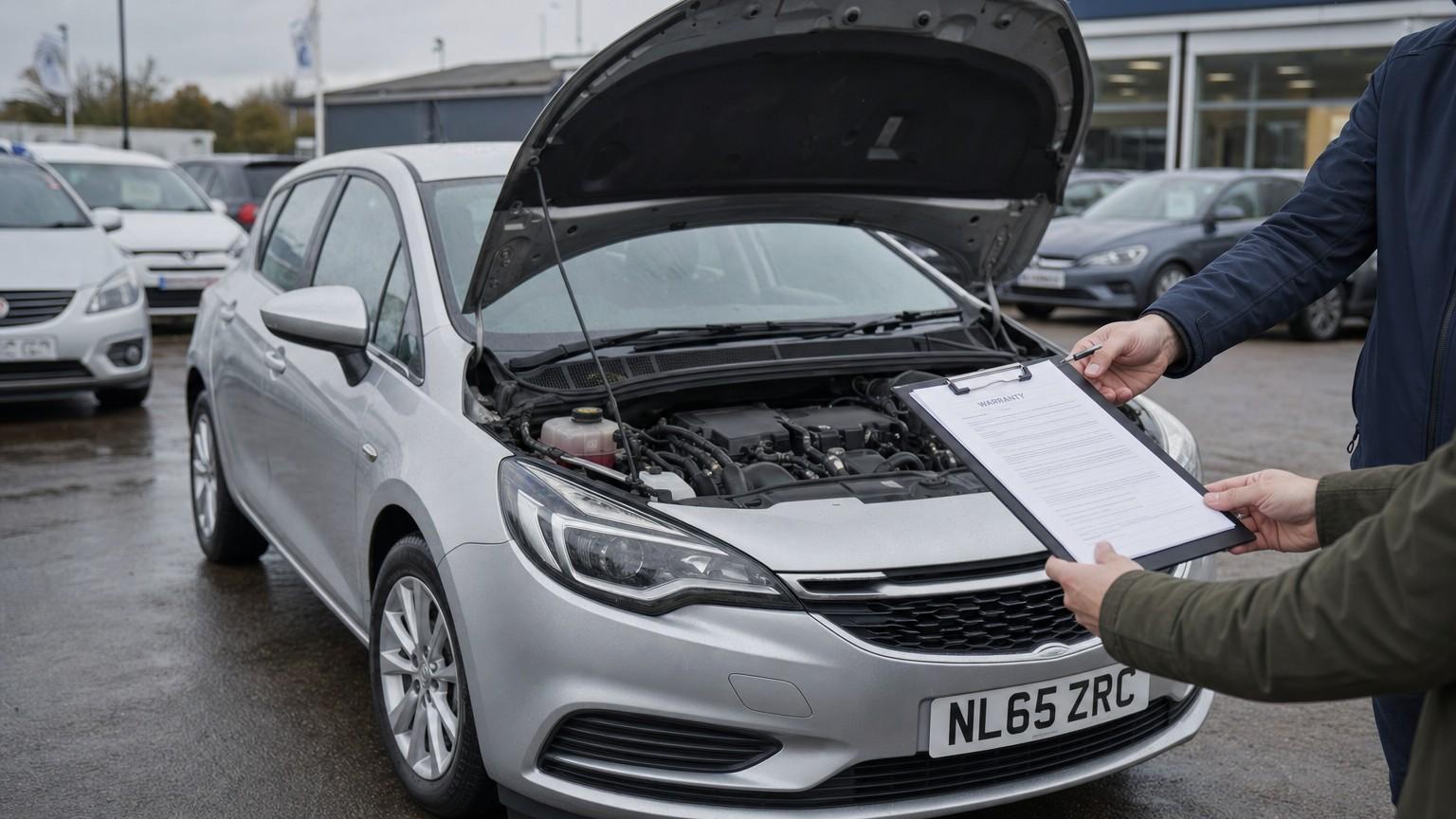
Yes, you can usually part exchange a car on finance. On hire purchase (HP) or a personal contract purchase (PCP), the finance company owns the car until the agreement is paid off, so the agreement has to be settled as part of the deal. The dealer can do that for you: it pays your lender the settlement figure out of the deal and takes the car.
What decides whether it is a good deal is the gap between two numbers: what you owe and what the car is worth. This guide covers both, what changes on PCP, what happens if you owe more than the car is worth, and the one situation where we would stop you before you sign: a car that has gone wrong since you bought it.
Why the finance has to be settled first
On HP, Citizens Advice puts it plainly: you don’t own the goods until you have paid in full, and while you are still paying you are not allowed to sell them without the lender’s permission. A PCP is no different in that respect. The Financial Conduct Authority describes it as a form of hire purchase with lower monthly payments and a final balloon payment linked to the car’s expected value.
So you cannot hand a dealer a car the finance company still owns and walk away. The agreement is paid off in the same transaction, and the car becomes the dealer’s.
Not sure which window you are in? Put in your reg and find out, free.
How it works, step by step
- Ask your lender for a settlement figure. You have a right to one. Section 97 of the Consumer Credit Act 1974 requires the lender to give you a statement of what it takes to pay the agreement off, and the regulations say it must be in writing, within 7 working days, and show how the figure is worked out, including any charge for settling early. The request does not have to be in writing.
- Note the date on it. The figure is calculated to a settlement date 28 days after the lender received your request, unless you ask for a later one. A figure from two months ago is out of date.
- Get the car valued, by the dealer and by at least one other buyer, so you know what the part-exchange offer is worth.
- Compare the two. If the car is worth more than the settlement figure, you have positive equity, which goes towards your next car like a deposit. If it is worth less, you have negative equity, and the gap is yours to cover.
- Let the dealer settle, and check the paperwork. The invoice should show the part-exchange value and the settlement figure being paid off. Once the deal is done, ask your old lender to confirm in writing that the agreement is closed.
You also have a right under section 94 to pay the agreement off early yourself at any time, with a rebate for settling early. That is what happens if you sell the car privately instead.
PCP and HP: what changes
The process is the same for both. The difference is in the settlement figure.
On HP, the amount you owe falls with every monthly payment until the car is yours. On a PCP, a large part of what you owe is the balloon payment at the end, and the settlement figure includes it, because settling means paying everything due under the agreement. Whether you have equity on a PCP therefore depends on how the car’s value compares with a figure that still includes the balloon. Ask for the settlement figure before you go to the dealer, not after.
Negative equity: what happens to the gap
If you owe more than the car is worth, a dealer can still take it in part exchange, but the gap has to go somewhere. You either pay it in cash, or it is added to your new finance.
Published Financial Ombudsman decisions show what the second route looks like. In one, £1,607.29 of negative equity was added to the buyer’s new agreement, where, as the ombudsman noted, it would incur interest. In another, the gap was set up as a separate negative equity loan of £1,500 beside the new agreement. Either way, you are paying interest on a car you no longer have, and starting the next agreement already owing more than the next car is worth.
If the car is in good order and you mainly want out of the payments, compare that with voluntary termination. Under section 99 of the Consumer Credit Act you can end an HP or PCP agreement and hand the car back, and section 100 limits what you owe to half of the total price, less what you have already paid. Sometimes that costs less than rolling negative equity forward.
If the car is faulty, stop before you part-exchange it
This is the part most part-exchange guides leave out, and it is the reason we wrote this one.
If the car you want to part-exchange has developed a fault since you bought it from a dealer, you may have the right to reject it under the Consumer Rights Act 2015. On HP or PCP the finance company supplied the car and carries the same responsibility as a dealer. The Financial Ombudsman’s own guidance says a finance provider supplying a car on these agreements is responsible for the quality of the car it supplied. How long you have depends on when the fault appeared:
First 30 days
Short-term right to reject
Your strongest right. Reject outright and demand a full refund with no deduction. The dealer cannot insist on repairing it first, and the refund is due within 14 days.
30 days – 6 months
One repair, then reject
Allow one repair or replacement. If it fails (or they refuse), you gain the final right to reject. The fault is presumed present at purchase, so the burden is on the dealer.
6 months – 6 years
Rights continue — you prove it
You must show the fault was present or developing at sale, usually via an independent inspection. Claims run up to 6 years in England & Wales (5 in Scotland).
The full detail is in how long you have to reject a car.
Rejecting and part-exchanging lead to very different places.
- A rejection ends the agreement. In a 2017 decision against BMW Financial Services, the ombudsman said that had the buyer been allowed to reject, he would have exited the agreement with nothing further owing and had his deposit refunded. In a 2025 decision, the ombudsman said it would generally expect a rejected car’s finance agreement to be ended with nothing further to pay.
- A part exchange prices the fault in. The car is valued as it is. In one case, the buyer part-exchanged a faulty car after his lender refused to let him reject it, and the dealer put the faults at roughly £1,000 when valuing it. The gap went onto his new finance.
- Once it has gone, there is nothing to hand back. Under section 20 of the Act, rejecting means treating the contract as at an end and making the car available for collection. A car you have already part-exchanged cannot be.
Sometimes it is the selling dealer who suggests the part exchange: a different car, a fresh agreement, the old one settled. That can feel like the problem solved. In the BMW Financial Services case, the buyer’s request to reject was refused and he was offered a part exchange instead; he took it and was left repaying a £1,500 negative equity loan. The ombudsman found he should have been allowed to reject, and told the lender to cancel the loan and refund his deposit. In the 2025 case, a rejected car went through the paperwork as a part exchange, with £2,000 of negative equity on the invoice. When the replacement also proved faulty, the buyer was asked to pay £2,055 before she could reject it. The ombudsman ordered it repaid.
To be fair to the lenders and dealers, these are individual decisions, each turned on its own facts, and a part exchange does not always end a complaint: in the £1,000 case and in one from 2021, buyers who had already part-exchanged were still repaid the gap. But each of them got there through a complaint and the Ombudsman, months later. A replacement car can also be a proper remedy: under section 23 of the Act, a replacement is at the trader’s cost, not yours. If you are offered a different car, it is worth asking in writing whether it is a replacement under the Act or a new sale with your car taken in part exchange.
The cleaner route is to reject first. Put the rejection in writing to the finance company, and to the dealer. A lender has eight weeks to give a final response to a complaint, after which you can go to the Financial Ombudsman Service, which is free, within 6 months of that final response. The 30 days run from the day after the car was delivered to you, section 22 of the Act says, and they keep running while you weigh up a part exchange. Our guide to rejecting a car on finance covers how it works on PCP and HP, and giving your car back to the finance company sets out every route out of an agreement side by side.

Find out your exact deadline. Free, in 2 minutes.
- Enter your reg
- Get your verdict
- Reject your faulty car
Free · No card · About 2 minutes
Is it better to part exchange or sell?
For a car with nothing wrong with it, it comes down to money against time.
- Selling privately usually gets more. Churchill’s guide puts trade value at usually up to 30% less than a private sale, and The Car Expert says the maximum return usually comes from selling privately. It also takes longer, means meeting strangers, and with finance outstanding you have to settle the agreement before the buyer can own the car.
- Part exchange is quicker. One visit, the dealer handles the settlement, and you drive the next car away. You pay for that convenience in a lower price.
- Negotiate the new car first. Churchill suggests leaving your part exchange until the end of the deal, so that a discount on the new car is not quietly offset against a lower valuation of the old one.
If you have negative equity, selling privately does not make the gap go away; it just means you pay it to your lender instead of having it added to new finance. And if the car is faulty and recently bought from a dealer, neither is the first question. Whether you can hand it back is.
Frequently asked questions
Usually, yes. On hire purchase or PCP the finance company owns the car until the agreement is paid off, so the agreement has to be settled as part of the deal. Ask your lender for a settlement figure, which it must give you in writing within 7 working days. The dealer then normally pays that figure to your lender out of the part-exchange value. If the car is worth more than the figure, the difference goes towards your next car; if it is worth less, you pay the gap.
Yes. A PCP is a form of hire purchase with a large final payment, so it works the same way: the settlement figure is paid off and the agreement ends. The settlement figure on a PCP includes that final payment, so compare it with what the car is actually worth before you decide. The only way to know whether you have equity is to get both numbers in writing.
You pay it. Either you cover the gap in cash, or the dealer adds it to your new finance, sometimes as a separate loan. If it is added to the new agreement you pay interest on it, for a car you no longer have. If the car is in good order and on HP or PCP, compare that cost with voluntary termination, which lets you hand the car back once half the total price has been paid.
Selling privately usually gets more money: Churchill’s guide puts trade value at usually up to 30% less than a private sale. Part exchange is quicker, with one visit and the dealer settling your finance. With finance outstanding, a private sale means settling the agreement first, because you are not allowed to sell a car on HP or PCP without the lender’s permission. If the car is faulty and you bought it recently from a dealer, look at rejecting it before doing either.
You can, but think hard first. A part exchange values the car with its fault, so you carry the cost of the fault, and once it is gone there is no car left to reject. On HP or PCP the finance company supplied the car and carries the same responsibility as a dealer under the Consumer Rights Act 2015. In published decisions, the Financial Ombudsman has said a rejection would have ended the agreement with nothing further to pay.
Until your old lender receives the money, the agreement is still yours, so ask the old lender to confirm in writing that it has been settled. If the dealer also arranged finance on your new car, the new lender can be responsible for the dealer’s promise to clear the old agreement. The Financial Ombudsman decided exactly that in a 2024 case, relying on section 56 of the Consumer Credit Act 1974.
Have a question this didn’t answer?
Ask it in Faulty Car Advice UK, our Facebook group for drivers dealing with a faulty car.
Related topics