Watchdog Issues New Guidance on Faulty Car Refunds
Consumer watchdog releases updated advice to help UK drivers boost their chances of securing refunds when sold defective vehicles. Essential guidance on your legal rights and next steps.
A consumer watchdog has released new guidance designed to help drivers maximise their chances of securing a refund when they've been sold a faulty car, according to the Hillingdon Times. The advice comes as increasing numbers of UK motorists struggle to resolve disputes with dealerships over defective vehicles.
Under the Consumer Rights Act 2015, UK buyers have strong legal protections when purchasing faulty cars. You have the right to reject a vehicle and claim a full refund within the first 30 days if it's not of satisfactory quality, fit for purpose, or as described. After 30 days, you must give the dealer one chance to repair the fault - but if they can't fix it, or the same problem recurs, you can still demand your money back.
The key to a successful refund claim lies in acting quickly and documenting everything. Keep detailed records of all faults, communications with the dealer, and any repair attempts. Take photos of defects and save all paperwork including the sales contract, any warranties, and correspondence. Reject the vehicle in writing - verbal complaints don't carry the same legal weight.
Many consumers unknowingly weaken their position by allowing multiple repair attempts or accepting poor-quality fixes. You're not obligated to give dealers unlimited chances to resolve the same fault. If a significant problem persists after one repair attempt, or if multiple different faults emerge, you can legitimately argue the vehicle wasn't of satisfactory quality when sold.
Don't let dealers fob you off with phrases like "that's normal wear and tear" or "all cars have minor issues." The law is clear: vehicles must be of satisfactory quality considering their age, mileage, and price. A two-year-old car with low mileage should not have significant mechanical problems, regardless of what the dealer claims is "typical."
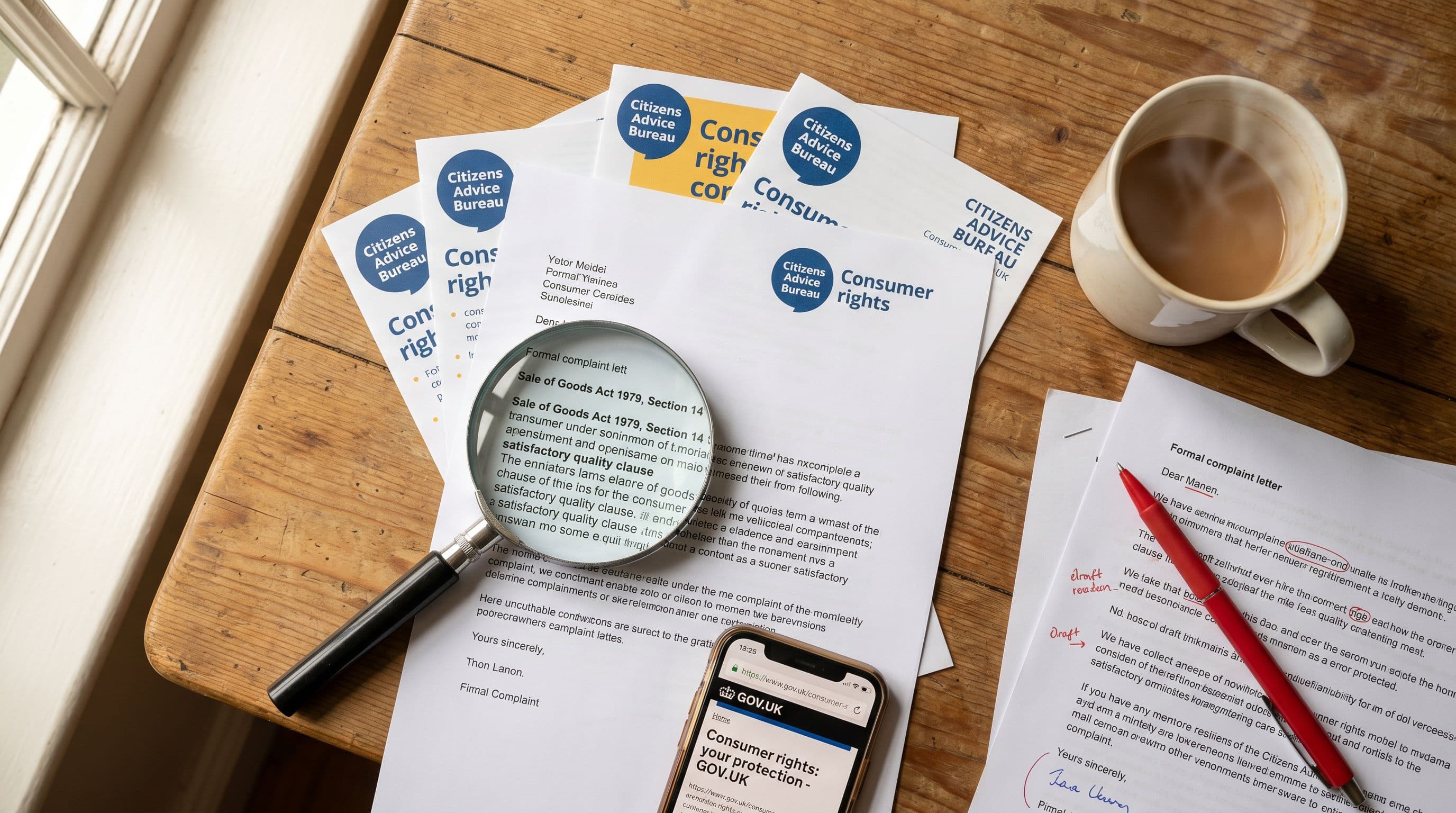
If your dealer refuses to cooperate, Citizens Advice can provide free guidance on your next steps. For finance agreements, contact the Financial Ombudsman Service if you're not getting anywhere - they can order refunds and compensation when dealers break the law.
Remember: your legal rights apply regardless of any dealer warranty terms. Extended warranties and dealer promises are additional to your statutory rights, not replacements for them. Stand firm, know your rights, and don't accept substandard vehicles.