NHS Gets £4m to Electrify Emergency Fleet
The Department for Transport awards £4 million to install hundreds of EV charging points across NHS sites in England. The funding aims to accelerate ambulance electrification nationwide.
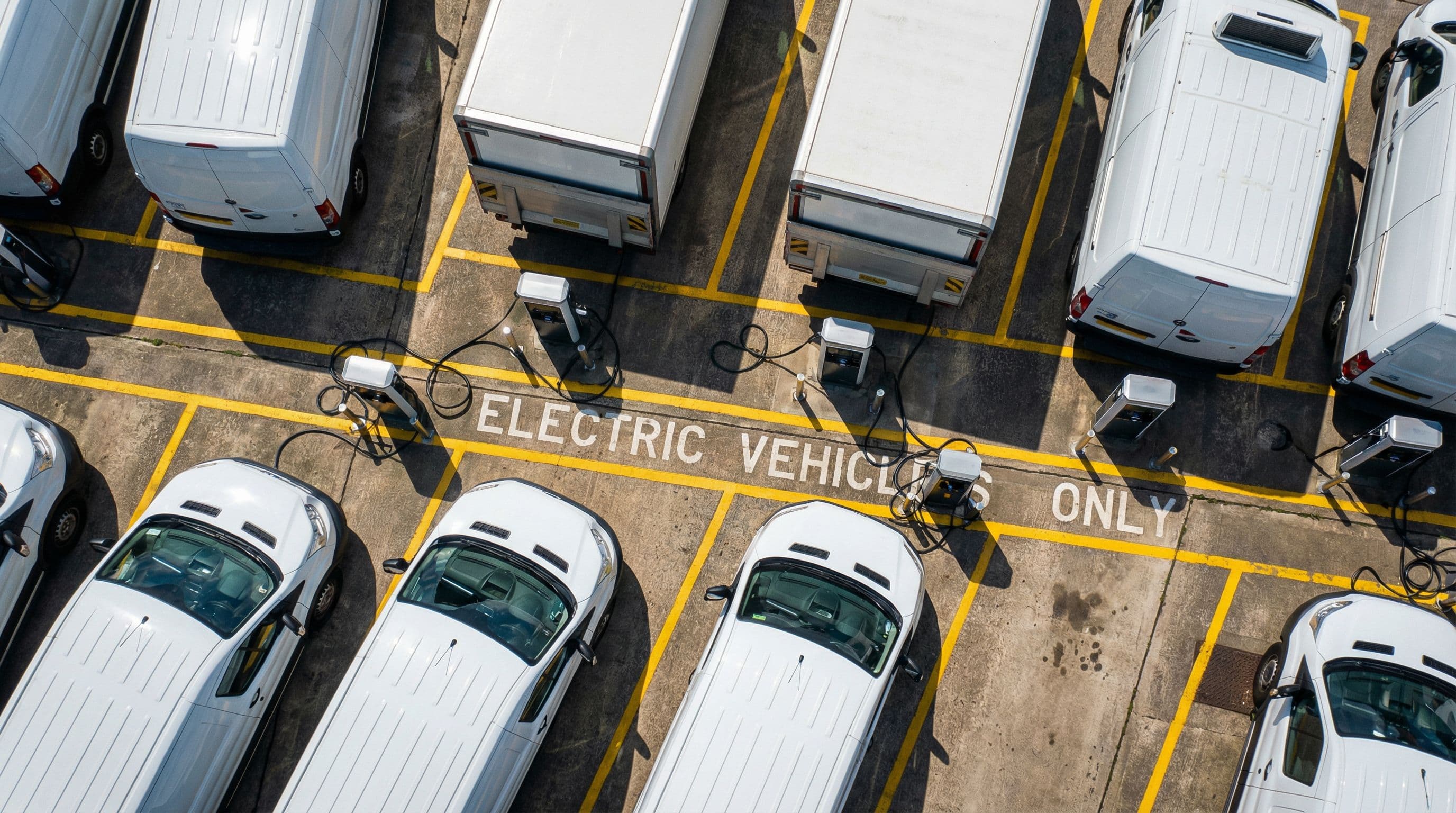
The NHS in England will install hundreds of new electric vehicle charging points after securing £4 million from the Department for Transport's NHS Charge Point Accelerator Scheme, according to SMMT.
This substantial funding boost represents a major step towards electrifying the UK's emergency vehicle fleet, with the charging infrastructure rolling out across NHS hospital sites and ambulance stations throughout England.
Why This Matters for UK Drivers
The NHS fleet electrification push signals broader government commitment to EV infrastructure expansion. Emergency services traditionally require vehicles with exceptional reliability standards, making their transition to electric powertrains a significant vote of confidence in EV technology.
For private motorists, this development suggests several implications:
• Infrastructure expansion: NHS sites often sit in strategic locations, potentially improving charging coverage in previously underserved areas • Technology validation: Emergency services adopting EVs demonstrates the maturity of electric vehicle reliability • Market confidence: Public sector investment typically precedes wider commercial adoption
The timing coincides with the government's 2030 ban on new petrol and diesel car sales, making reliable charging infrastructure critical for both public and private vehicle operators.
Fleet Electrification Challenges
Emergency vehicles face unique operational demands that have historically favoured traditional powertrains. Ambulances require constant power for life-support equipment, heating, and lighting whilst maintaining readiness for immediate deployment.
The £4 million investment suggests these technical hurdles are being addressed through dedicated charging solutions rather than relying on public infrastructure. This approach could provide valuable lessons for commercial fleet operators facing similar 24/7 operational requirements.
Market Impact
The NHS operates one of Europe's largest vehicle fleets, making this electrification programme a significant market development. Ambulance manufacturers will need to adapt their offerings to meet NHS specifications, potentially driving innovation in emergency vehicle design.
This could accelerate development of:
• High-capacity battery systems suitable for emergency use • Rapid charging solutions for operational vehicles • Auxiliary power systems for medical equipment
For UK car buyers, these advances often filter down to consumer vehicles, improving battery technology, charging speeds, and overall EV reliability.
Looking Forward
The NHS charging infrastructure investment forms part of the government's broader strategy to achieve net-zero emissions by 2050. Emergency services electrification removes a significant barrier to public acceptance of EV technology, demonstrating that even mission-critical vehicles can operate reliably on battery power.
Private motorists should expect continued government support for EV infrastructure, though the focus remains on public and commercial applications rather than direct consumer subsidies.
This funding announcement reinforces the direction of travel for UK transport policy, with electric vehicles moving from optional to essential across all sectors of the economy.