Which cars have the 1.2 TCe or DIG-T engine?
Nine UK models from Renault, Nissan and Dacia, built with the 1.2 turbo petrol between October 2012 and July 2016.
It is one engine with two badges. Renault and Dacia call it the 1.2 TCe. Nissan calls it the 1.2 DIG-T. In the UK the Qashqai is the car most people have it in.
Models affected
Only the 1.2 turbo petrol with direct injection. The older 1.2 TCe 100 (1,149cc), the 0.9 TCe, the 1.6 DIG-T and the 1.3 that replaced this engine in 2018 are different engines.
- Nissan Qashqai2014–2016
1.2 DIG-T 115, manual and Xtronic. Stayed on sale until 2018
- Nissan Juke2014–2016
1.2 DIG-T 115, on sale from June 2014
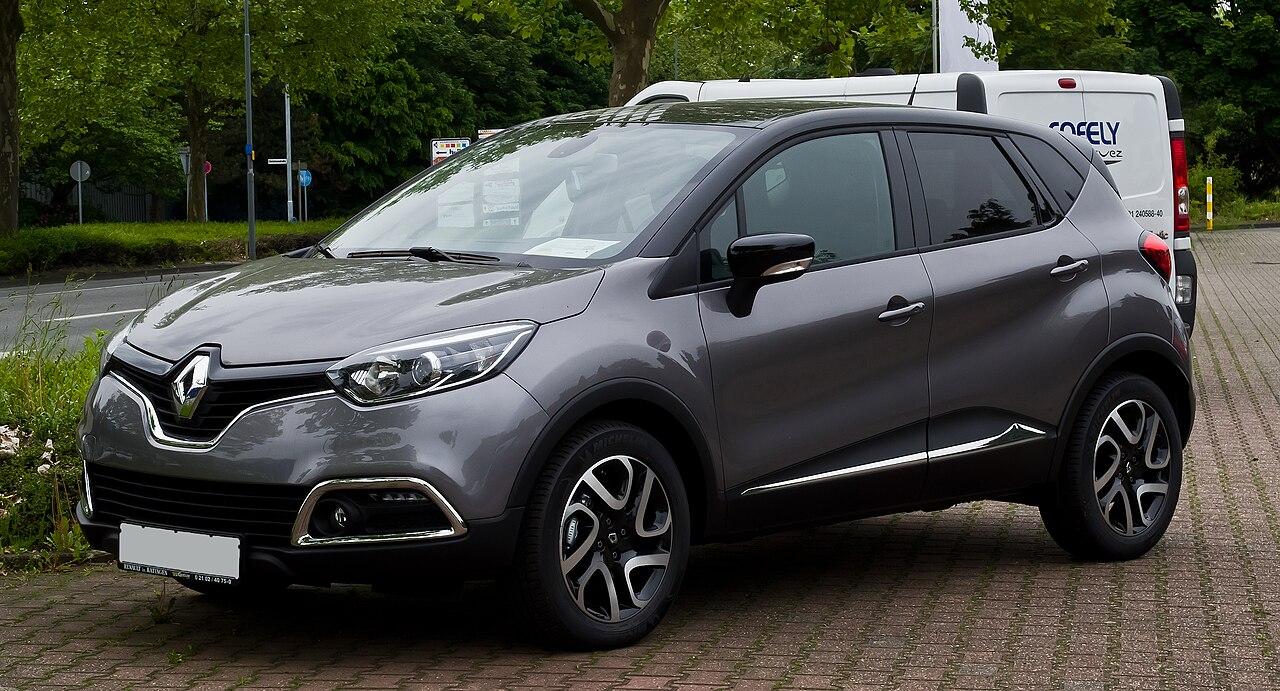
- Renault Captur2013–2016
1.2 TCe 120, automatic (EDC) only until mid-2016
- Renault Clio2013–2016
1.2 TCe 120 GT Line automatic only
- Renault Kadjar2015–2016
1.2 TCe 130
- Renault Megane2012–2016
1.2 TCe 115 and 130. Hatchback, coupé, Sport Tourer and coupé-cabriolet
- Renault Scenic2012–2016
1.2 TCe 115 and 130. Including Grand Scenic and XMOD
- Nissan Pulsar2014–2016
1.2 DIG-T 115
- Dacia Duster2016
TCe 125. UK sales began in July 2016, right at the end of the build period
| Model | Built | Notes |
|---|---|---|
| Nissan Qashqai | 2014–2016 | 1.2 DIG-T 115, manual and Xtronic. Stayed on sale until 2018 |
| Nissan Juke | 2014–2016 | 1.2 DIG-T 115, on sale from June 2014 |
| Renault Captur | 2013–2016 | 1.2 TCe 120, automatic (EDC) only until mid-2016 |
| Renault Clio | 2013–2016 | 1.2 TCe 120 GT Line automatic only |
| Renault Kadjar | 2015–2016 | 1.2 TCe 130 |
| Renault Megane | 2012–2016 | 1.2 TCe 115 and 130. Hatchback, coupé, Sport Tourer and coupé-cabriolet |
| Renault Scenic | 2012–2016 | 1.2 TCe 115 and 130. Including Grand Scenic and XMOD |
| Nissan Pulsar | 2014–2016 | 1.2 DIG-T 115 |
| Dacia Duster | 2016 | TCe 125. UK sales began in July 2016, right at the end of the build period |
The engine
- Engine
- 1.2-litre (1,197cc) four-cylinder turbo petrol, direct injection
- Badged as
- 1.2 TCe on Renault and Dacia, 1.2 DIG-T on Nissan
- Engine code
- H5Ft
- Power outputs
- 115, 120, 125 and 130hp
- Timing drive
- Chain
- Build dates in Renault’s technical note
- 1 October 2012 to 20 July 2016
The badge on the boot is not enough, because Renault used “1.2 TCe” on an older, unrelated engine too. Check the V5C: this one is 1,197cc (shown as 1,198cc on some Renaults) and petrol. A Renault, Nissan or Dacia dealer can confirm which engine is fitted from the registration.
What are the symptoms of the oil problem?
A falling oil level with no leak. Then smoke, lost power and engine noise.
This engine has no reliable early alarm. In one Ombudsman case the car used two litres of oil in a week and the oil light never lit. One Qashqai owner told the Guardian he only found out when a service showed the engine was almost empty.
- 1
The oil level drops between services with no leak under the car. The oil warning light may not come on at all.
- 2
Blue smoke from the exhaust, though it is not always easy to see.
- 3
The engine loses power, misfires or runs unevenly.
- 4
A rattle or knock from the engine, sometimes from the timing chain.
- 5
A warning light, loss of compression, and an engine that needs rebuilding or replacing.
Why does it burn oil?
Too little pressure in the intake lets oil be drawn up past the pistons and burned.
The explanation comes from Renault itself. The French consumer group UFC-Que Choisir obtained a technical note Renault sent to its dealers in June 2015 and updated in February 2018. It puts the fault down to low pressure in the intake manifold. That creates a strong vacuum in the cylinder, and oil is pulled up from below.
The oil burns. The carbon it leaves builds up on the exhaust valves until they no longer seal and begin to burn away. That is the point where compression goes and the engine fails. The timing chain is part of the same story. Nissan replaced one Qashqai’s chain under warranty at ten months old, and the RAC has noted rattling chains on 1.2 models.
How much does it cost to fix?
The software update is a workshop visit. A replacement engine has cost UK owners £5,000 to £7,500.
Renault’s note sets out the repair in steps. First the engine software is updated to raise intake pressure. If the engine is noisy or still using oil, the piston rings are replaced, then the lower half of the engine, then the whole engine.
We found no published UK price for the early steps. For the last one, two Ombudsman decisions give real figures. One owner paid £5,035 to have a Qashqai’s engine replaced in 2022. Another, whose Nissan failed in late 2023, was quoted about £7,500 by the dealer that supplied it, plus £750 just to strip the engine and look. Neither decision names the engine, so treat them as a guide to scale. In France, Que Choisir reported a quote of €10,000.
What have Renault and Nissan said?
That a small share of cars are affected, that it is not a safety issue, and that they help owners case by case.
There is no UK recall. The DVSA’s recall service lists nothing on oil consumption for any of these models, and we found no public statement from Renault UK or Nissan in Britain accepting a defect.
Most of what is known comes from France. Que Choisir published Renault’s note in May 2019 and asked for a recall. The makers refused, saying only a small proportion of cars used more oil than normal and that it did not affect safety. In December 2019 the French transport ministry declined to order one. The makers told it they had received about 5,000 requests for help between 2015 and 2019.
Renault later said that 90% of Renault and Nissan customers with the problem had received financial support. Owners there disagree about how freely it was given. Around 2,000 of them filed a criminal complaint in June 2023, and the case has not been decided.
In Britain the help has been quieter. Nissan gave one Guardian reader a new car after three engine rebuilds. In 2023 it said it was supporting customers “under our warranty and customer support policies”.
Who pays for a 1.2 TCe or DIG-T engine?
Renault and Nissan have paid in some cases, as goodwill. The legal responsibility sits with the dealer who sold the car, and with the lender if it is on finance.
Renault and Nissan
No UK recall. Both say they support affected owners through warranty and customer support, case by case. Renault has told the French press that the oil use is not a safety matter and can have other causes, such as wear or servicing. Help beyond the warranty is goodwill, and it has depended on service records.
The dealer who sold it
Responsible under the Consumer Rights Act 2015 for the car being of satisfactory quality when sold. That includes an engine lasting a reasonable time, whatever the maker decides to do.
The finance company
On hire purchase or PCP the lender supplied the car and carries the same responsibility as a dealer. Published Ombudsman decisions on oil-burning cars have been made against lenders, not against the makers.
Your warranty
Read the policy for what it says about oil level, wear and servicing. Whatever the warranty company decides, it is a decision about that policy. It does not decide what the dealer owes you.
Goodwill from the manufacturer and your rights against the seller are separate. Asking for one does not give up the other.
Is it covered under warranty?
Engines were rebuilt and replaced under the maker’s warranty while it ran. On a car built by mid-2016 it has long since ended.
What is left is goodwill, and goodwill has conditions. Que Choisir reported a Captur owner refused any contribution because his service paperwork did not show which parts and oil had been used.
A used-car warranty is a separate contract with its own exclusions. Whether it pays or not, the dealer’s responsibility under the Act is untouched.
Can you hand the car back?
Possibly. It depends on how long ago you bought it and what you can show about the oil use.
First 30 days
Short-term right to reject
Your strongest right. Reject outright and demand a full refund with no deduction. The dealer cannot insist on repairing it first, and the refund is due within 14 days.
30 days – 6 months
One repair, then reject
Allow one repair or replacement. If it fails (or they refuse), you gain the final right to reject. The fault is presumed present at purchase, so the burden is on the dealer.
6 months – 6 years
Rights continue — you prove it
You must show the fault was present or developing at sale, usually via an independent inspection. Claims run up to 6 years in England & Wales (5 in Scotland).

Find out your exact deadline. Free, in 2 minutes.
- Enter your reg
- Get your verdict
- Reject your faulty car
Free · No card · About 2 minutes
What has the Ombudsman decided?
Four published decisions on cars like these went the owner’s way. Each turned on records, not on the engine’s reputation.
Decisions rarely name the model, so none of these says “1.2 TCe”. Three were against RCI Financial Services, the lender behind Nissan Financial Services and Dacia Finance.
DRN2876160, February 2018. A new car supplied in June 2015 was using two litres of oil a week by April 2017. The dealer tried a software update, then replaced the lower engine. The ombudsman said a carefully used new car should not do this within 22 months. The lender had to pay for an inspection, any further repairs, and half the monthly payments back.
DRN-2727910, May 2021. A five-year-old car used 2.8 litres in about 2,500 miles. A software update did not cure it. The owner had reported it within six months, and was allowed to hand the car back.
DRN-5690689, August 2025. A Nissan with full dealer history lost compression at 47,789 miles. The maker blamed low oil. The ombudsman found the engine had not been durable, and the lender had to take the car back.
A fourth, DRN-3828422, refunded the £5,035 engine on a used Qashqai. Complaints fail too. In DRN8613262, about a different set of faults, the owner lost because the car was never inspected.
What should you do now?
Measure the oil use, get it recorded by a garage, and gather every service invoice.
- Check the dipstick today, then weekly. Write down the date, the mileage and how much you add. Keep the receipts for the oil.
- Ask a Renault, Nissan or Dacia dealer for an oil consumption test and a compression test, with the results in writing. Ask them to confirm in writing whether the engine software update has been done.
- Collect the full service history, with invoices that show the oil grade and parts. Goodwill has been refused for lack of them.
- If the engine is rattling or knocking, stop driving it and get it looked at. An independent inspection that says why the engine is using oil carries real weight.
- Check your purchase date against the three windows above, then write to the dealer. If the car is on finance, write to the lender too.
Questions people ask
Renault’s own technical note describes the problem as more than a litre every 1,000 km, about 620 miles. In one Ombudsman decision the handbook said to contact the dealer above half a litre every 600 miles, and 2.8 litres in about 2,500 miles was found to be excessive.
Not necessarily. The update changes how the engine breathes so that less oil is drawn in. It does not repair piston rings or valves that are already damaged. In two published Ombudsman decisions the car went on using oil after the update. Keep checking the level.
No. On 4 October 2026 the DVSA recall service listed nothing about oil consumption for the Qashqai, Juke, Pulsar, Captur, Clio, Kadjar, Megane, Scenic or Duster. France did not order one either.
Renault’s technical note covers engines built up to 20 July 2016, and the French press reports a change at the factory in May 2016. The same 1.2 stayed on sale here until 2018. A later car is outside the note, but if it is using oil the test is the same: measure it and get it recorded.
That is the usual answer, and it is why records matter. In one Ombudsman decision the maker said the engine had been run short of oil. The ombudsman looked at the full service history and the lack of any warning light, and did not accept that the driver was at fault. Yours will turn on your own evidence.
Sources
- DVSA: check if a vehicle, part or accessory has been recalled
- Financial Ombudsman Service, decision DRN2876160
- Financial Ombudsman Service, decision DRN-2727910
- Financial Ombudsman Service, decision DRN-5690689
- Financial Ombudsman Service, decision DRN-3828422
- UFC-Que Choisir: Moteur 1.2 Renault, 400 000 voitures en danger (May 2019)
- UFC-Que Choisir: Pas de rappel imposé aux constructeurs (December 2019)
- The Guardian: Nissan Qashqai owners driven to distraction by engine failures (January 2017)
- RAC: Nissan Qashqai (2017–2020) used car review
- L’argus: Moteur 1.2 TCe, où en est l’action collective contre Renault/Nissan ?
Last checked 4th October 2026. Nothing here is legal advice.
Have a question this didn’t answer?
Ask it in Faulty Car Advice UK, our Facebook group for drivers dealing with a faulty car.